Address
304 North Cardinal St.
Dorchester Center, MA 02124
Work Hours
Monday to Friday: 7AM - 7PM
Weekend: 10AM - 5PM
Address
304 North Cardinal St.
Dorchester Center, MA 02124
Work Hours
Monday to Friday: 7AM - 7PM
Weekend: 10AM - 5PM


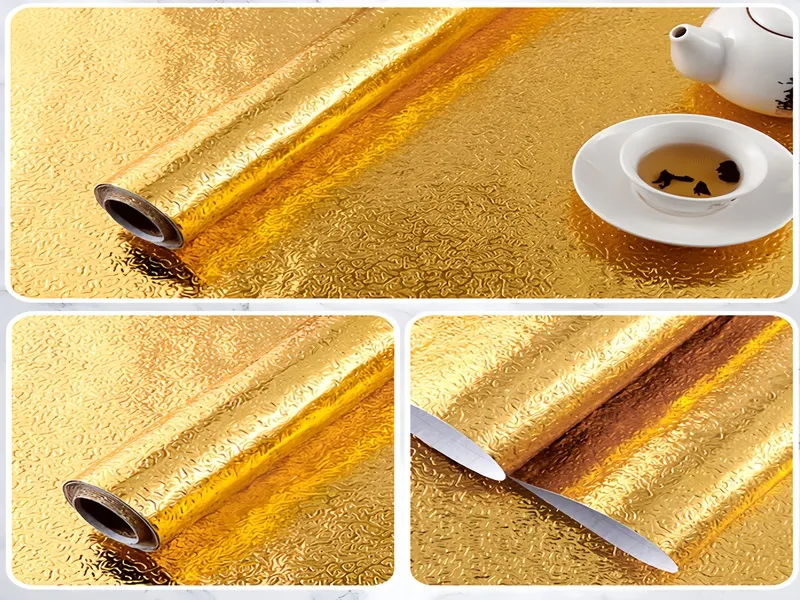
In the world of window treatments and decorative enhancements, Non-PVC window film has emerged as a superior, eco-friendly alternative. This innovative material offers a compelling combination of aesthetic appeal, functional benefits, and environmental responsibility. Unlike traditional films, it is free from polyvinyl chloride, addressing growing consumer concerns about indoor air quality and sustainability. For those exploring modern solutions for light control, privacy, and energy efficiency, understanding the full scope of Non-PVC window film is essential.
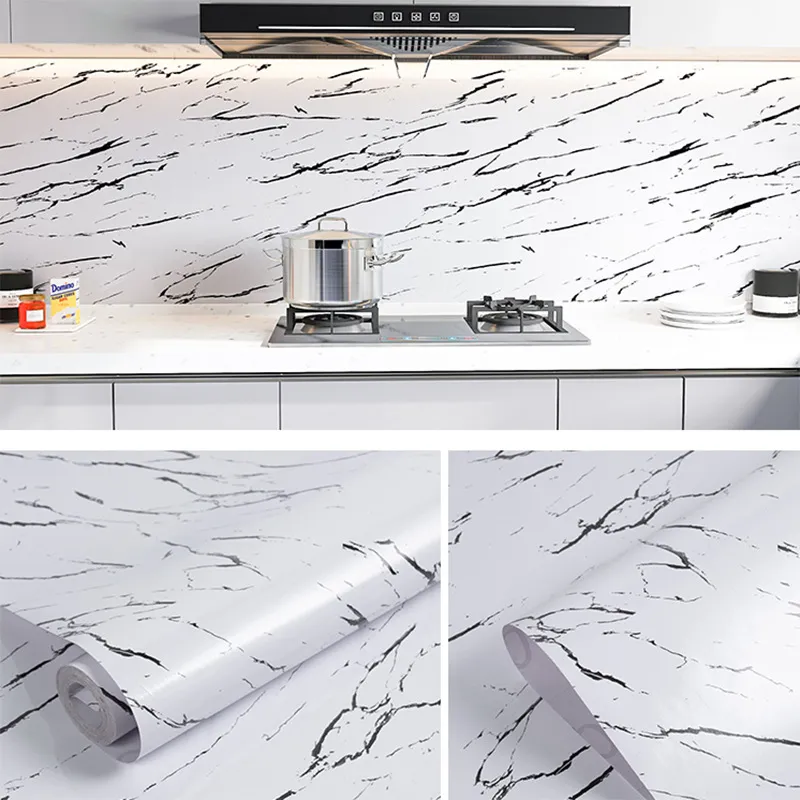
The shift towards Non-PVC materials is driven by a powerful set of advantages that impact both the immediate environment and long-term well-being.
The most significant benefit is the absence of chlorine and harmful plasticizers like phthalates. This makes the film a safer choice for homes, schools, hospitals, and offices, as it does not off-gas volatile organic compounds (VOCs) that can affect indoor air quality. It is also more easily recyclable in many waste streams compared to its PVC counterpart.
Enhanced Durability and Clarity: High-quality Non-PVC films are often manufactured with materials like polyester (PET), polyethylene terephthalate glycol (PETG), or other polymers that offer excellent optical clarity and resistance to yellowing. They are less prone to becoming brittle and cracking over time when exposed to sunlight, thanks to superior UV stabilizers.
Superior Performance Features: These films excel in functional applications. They provide effective heat rejection, reducing solar heat gain and lowering cooling costs. Many also offer high levels of glare reduction and up to 99% UV blockage, protecting interior furnishings from fading. For privacy, options range from subtle frosted finishes to more decorative patterns.
Non-PVC window film is not a one-size-fits-all product. It comes in various formulations and styles to meet specific needs. Understanding these types is key to selecting the right film for your project.
These films are designed primarily for aesthetics and obscuring views. They come in an immense variety of patterns, textures, and opacities—from elegant frosted and etched-glass looks to vibrant colors and modern geometric designs. They are perfect for office partitions, bathroom windows, and glass doors, adding style without sacrificing light. For a textured aesthetic, consider options like a 3D Silk Texture Film which can mimic fabric or other sophisticated finishes.
This category focuses on performance. Solar control films are typically tinted or metallized to reflect infrared radiation, significantly reducing heat and glare. Safety and security films are much thicker and are designed to hold glass together upon impact, preventing shattering from accidents, storms, or attempted break-ins. While not a substitute for tempered glass, they add a crucial layer of protection.
The innovation in this sector is continuous. Specialty films include:
• Anti-Graffiti Films: Provide a protective, easily replaceable layer on vulnerable glass.
• Projection Films: Turn clear glass into a projection screen.
• Anti-Microbial Films: Treated with agents to inhibit the growth of bacteria and mold, ideal for healthcare and food service settings.
Your selection should be guided by the primary goal:
→ For Privacy & Style: Focus on opacity, pattern, and adhesive type (often static-cling for easy removal).
→ For Energy Savings: Look for technical specs like Solar Heat Gain Coefficient (SHGC), Total Solar Energy Rejected (TSER), and Visible Light Transmittance (VLT).
→ For Protection: Prioritize film thickness (measured in mils) and laminate strength.
Always check the manufacturer’s warranty for performance and longevity guarantees.
Proper installation is critical for a bubble-free, professional-looking finish and long-lasting performance. While professional installation is recommended for large or complex windows, DIY is feasible for smaller, flat panes.
You will need: a spray bottle with a soapy water solution (a few drops of mild dish soap per liter of water), a sharp utility knife or scalpel, a squeegee (felt-edged is best), a lint-free cloth, and a ruler or tape measure. Crucially, ensure the glass is impeccably clean. Wash with soapy water, rinse, and use a razor blade scraper to remove any stubborn spots. Dry completely, then wipe down with isopropyl alcohol to eliminate any final grease or residue.
Step 1: Measure and Cut. Measure the glass pane accurately. Unroll the film on a clean, flat surface and cut it to size, adding an extra 2-3 cm on all sides for final trimming.
Step 2: Wet the Surface. Generously spray the clean glass with your soapy water solution. This creates a “slip layer” that allows you to position the film.
Step 3: Apply the Film. Peel the backing liner from the film. Carefully lay the adhesive side onto the wet glass, starting from the top and letting it fall into place.
Step 4: Position and Squeegee. Use your hands to roughly align the film. Then, starting from the center, use the squeegee to push water and air bubbles out towards the edges. Use firm, overlapping strokes.
Step 5: Final Trim. Once the film is smooth and bubble-free, use your sharp knife to trim the excess film flush with the edge of the glass. Use a straight edge as a guide for a clean cut.
Step 6: Dry and Cure. Wipe away any remaining water from the edges. The film may appear hazy initially; this is normal. It will clear up as the water evaporates and the adhesive cures, which can take from a few days to a couple of weeks depending on climate.
Caring for Non-PVC window film is simple but specific. Wait at least two weeks after installation before cleaning to allow the adhesive to fully cure. Use only a soft cloth or sponge with a mild, non-abrasive cleaner or soapy water. Avoid ammonia-based cleaners (like many glass cleaners), abrasive pads, or sharp objects, as they can damage the film’s surface. Gently wipe dry with a soft cloth.
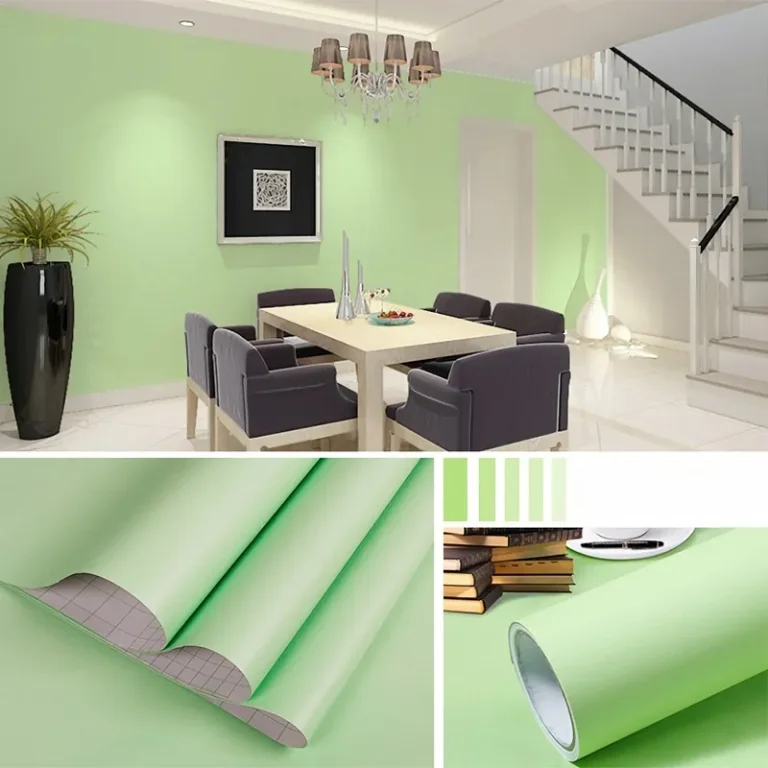
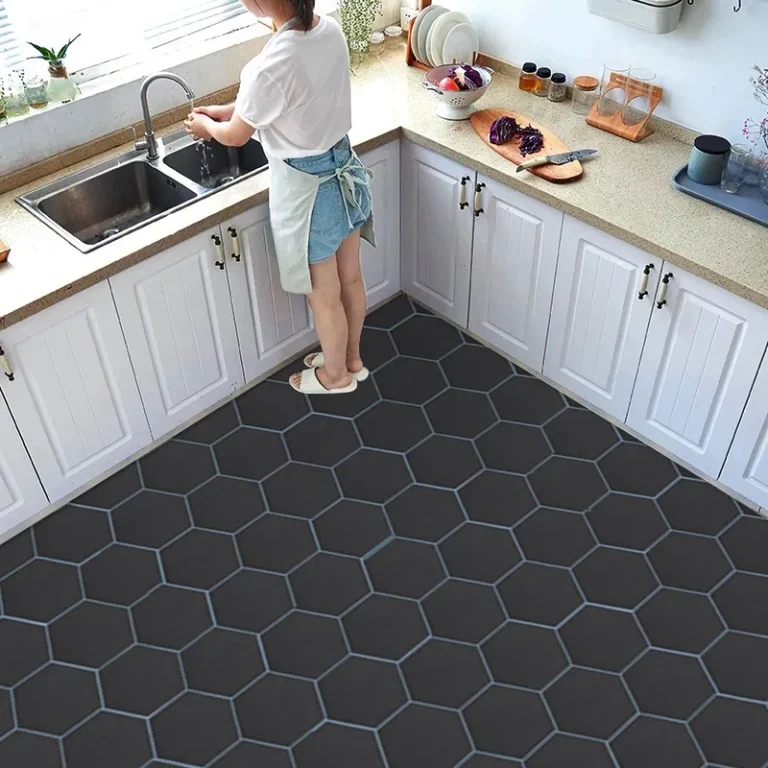
For broader applications beyond windows, such as protecting floors or creating cohesive interiors, related products like Floor Film or decorative Solid Color Wallpaper can complement your project. These materials often share similar non-PVC, user-friendly properties.
Yes, generally. Its production and disposal have a lower environmental impact compared to PVC. It doesn’t contain chlorine or release dioxins when incinerated (in proper facilities), and many types are more readily recyclable. Always check the specific manufacturer’s sustainability claims.
Caution is advised. Some window manufacturers warn that applying films to the interior glass of insulated units can trap heat between the panes, potentially leading to seal failure or glass breakage due to thermal stress. Always consult your window warranty and consider films specifically rated for insulated glass.
The lifespan varies by quality and exposure. High-performance films from reputable brands often come with warranties ranging from 5 to 15 years or more against fading, discoloration, delamination, and blistering. Decorative films may have a shorter functional life, especially if they are static-cling and not permanently adhesive.
Quality films with pressure-sensitive adhesive are designed for clean removal. The key is proper installation and removal technique. Heating the film gently with a hairdryer during removal can soften the adhesive. However, on very old glass or if the film is left on for decades beyond its life, some adhesive residue may remain, which can be cleaned with adhesive remover.
For detailed information on various film technologies, material properties, and ideal use cases, a valuable resource is the Knowledge Center provided by industry experts. This can help you make a fully informed decision tailored to your specific needs.