Address
304 North Cardinal St.
Dorchester Center, MA 02124
Work Hours
Monday to Friday: 7AM - 7PM
Weekend: 10AM - 5PM
Address
304 North Cardinal St.
Dorchester Center, MA 02124
Work Hours
Monday to Friday: 7AM - 7PM
Weekend: 10AM - 5PM



Exporting PVC film is not just a “ship and sell” process. From chemical compliance and labeling to roll protection, moisture control, and logistics planning, the details determine whether your shipment clears customs smoothly and arrives in perfect condition. This guide covers the key regulations, packaging requirements, and shipping tips that help buyers, distributors, and manufacturers reduce risk and protect margins.
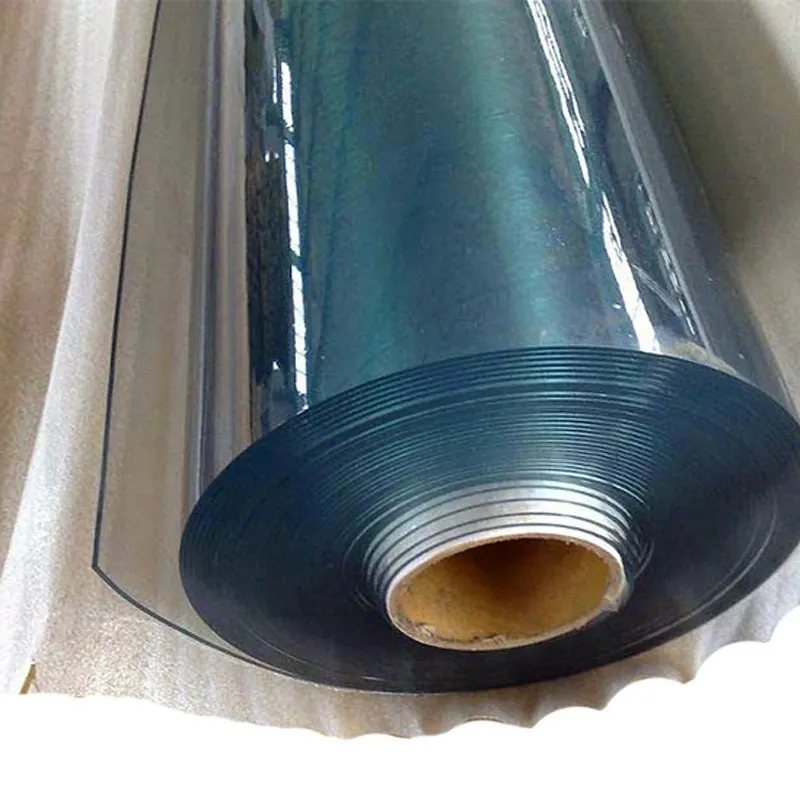
“PVC film” can refer to very different products: calendered film for lamination, decorative films for furniture and doors, protective films for electronics, anti-static films, self-adhesive films, and more. Customs classification, documentation, and safety standards often depend on composition (plasticizers, coatings), structure (single-layer vs. laminated), and intended use (interior decoration vs. medical/cleanroom packaging).
✔ Practical tip:
When requesting quotes or preparing export docs, define the film with thickness, width, roll length, surface finish (gloss/matte/embossed), adhesive or not, and any functional coating (anti-static/anti-fog/food-grade).
For example, buyers sourcing Calendered Film usually focus on uniform thickness and processing stability, while decorative buyers may prioritize pattern consistency and scratch resistance, such as Wood Grain Film or Marble Film. Each application changes how you should test, pack, label, and ship.
Most import markets expect PVC film to meet chemical safety requirements and provide traceable quality documentation. While exact rules differ by country, the following are common “baseline” expectations in global trade:
Importers frequently request proof that films are free of heavy metals and restricted plasticizers (e.g., certain phthalates), especially when used indoors or in frequent-contact environments. Many buyers also ask for conformity with common compliance frameworks such as REACH, RoHS, and related regional chemical rules. If the film is used in food-contact scenarios, additional FDA/EU food-contact documentation may be necessary.
⚠ What customs and buyers often check:
MSDS/SDS, restricted-substance test reports (e.g., phthalates, heavy metals), and product traceability (batch/lot labeling).
Many distributors and project buyers require quality system evidence, especially when ordering decorative film for furniture, building materials, or electronics manufacturing. A consistent QC process (raw material checks, thickness/strength testing, adhesion tests, optical tests, and batch tracking) helps reduce claims and simplifies repeat ordering.
A large share of export delays happen due to mismatched paperwork rather than product quality. Ensure the information on cartons/pallet labels matches your packing list and commercial invoice exactly: product name, roll count, net/gross weight, dimensions, and batch/lot numbers.
PVC film rolls are vulnerable to compression marks, telescoping, edge dents, and moisture-related defects. Packaging must protect the film’s surface finish and maintain roll geometry throughout long-distance transport.
Each roll should be individually wrapped using dust-proof PE film or kraft paper to reduce scuffing and contamination. Decorative surfaces (gloss, soft-touch, embossed textures) are especially sensitive to micro-scratches and pressure marks.
Roll edges are the first to get damaged during forklift handling and vibration. Use edge protectors and ensure core strength matches roll weight and width. For longer rolls or heavier gauges, stronger cores and reinforced end caps reduce deformation risk.
📌 Buyer-facing suggestion:
Ask the supplier to specify core inner diameter (commonly 3" or 6"), core thickness, and whether end caps are included—these details greatly affect arrival quality.
Sea freight containers can accumulate condensation (“container rain”), which may cause staining, blocking, or packaging softening. Use desiccants and moisture barriers when shipping to humid climates or during seasonal transitions. Also avoid loading warm rolls directly into a cool container when possible; temperature swings can amplify condensation.
Pallets should be stable, level, and strapped securely. If mixed SKUs are necessary, keep heavier rolls at the bottom and separate different surface types to prevent imprinting. Clear pallet labels speed up warehouse receiving and reduce accidental mishandling.
PVC film export shipping is a balance between cost, speed, and risk. A well-planned shipment reduces rework, demurrage, and customer complaints.
Sea freight is usually the standard for bulk orders, while air freight can be justified for urgent production lines, sample orders, or high-value specialty film. If you are launching a new decorative series (e.g., premium textures like 3D Silk Texture Film), shipping small trial quantities by air can shorten decision cycles and reduce market entry time.
Confirm who is responsible for export clearance, main freight, insurance, and import duties. For many first-time buyers, using terms where the supplier supports logistics can reduce coordination errors. For experienced importers, controlling freight may lower costs and improve visibility.
✅ Checklist before booking:
HS code confirmation, total CBM/weight, roll stacking plan, insurance decision, and destination delivery requirements (forklift access, unloading method, appointment scheduling).
Rolls should be loaded to avoid shifting. Use dunnage, air bags, or blocking to secure pallets. Over-tight strapping can deform outer layers; insufficient strapping increases movement. If shipping mixed decorative and functional films, isolate glossy/soft-touch surfaces from rough carton edges and sharp pallet corners.
Importers, customs brokers, and warehouses need paperwork that is accurate and aligned. A “document pack” also reduces back-and-forth, especially when shipments include multiple specifications.
Labels should be clear, durable, and placed consistently. Include: product type, thickness, width, roll length, color/pattern code, production date, batch number, and inspection status. This supports warehouse scanning and after-sales traceability.
A short pre-shipment QC routine is often cheaper than handling a complaint after the container arrives. For decorative and surface-critical films, small defects can expand into large rejection rates during lamination or wrapping.
If you’re supplying construction finishing products such as PVC Skirting Film or flooring-grade materials, remind customers to define the installation environment (temperature, subfloor condition, cleaning chemicals). It helps you recommend the right surface and thickness and reduces “wrong product” disputes.
Choosing a supplier with full-process capabilities (calendering, printing, slitting, and packaging) simplifies coordination and often improves consistency. When a manufacturer controls the whole workflow, it’s easier to keep color lots stable, reduce lead time, and implement corrective actions quickly if an issue appears.
🧩 Alignment tip:
Before mass production, confirm a golden sample (approved reference roll) and define acceptance criteria: color tolerance, gloss level, emboss depth, and allowable defects per square meter.
This usually comes from missing technical alignment: wrong core size, roll hardness, film stiffness, or tolerance limits. Prevent it by exchanging a basic “process sheet” covering lamination temperature, adhesive compatibility, and tension guidance.
Decorative applications require tighter controls. Ask for batch locking (same lot for a project), provide standardized color/pattern codes, and keep a physical reference sample. For large projects, plan production in one run when possible.
Most damage is mechanical (edge dents, compression) or moisture-related. Reinforce packaging, use desiccants, stabilize pallets, and choose carriers with better handling records on your route.
Typically SDS/MSDS, restricted substance test reports (e.g., heavy metals and phthalates), and buyer-specific declarations for REACH/RoHS and, if applicable, FDA/EU food-contact.
Individual roll wrapping (dust-proof PE film or kraft paper) plus edge protection, strong cores, stable palletization, and moisture control (desiccants) for sea freight.
Approve a golden sample, lock batches for project orders, define color tolerance, and request consistent pattern codes and production records for traceability.
Use container desiccants, avoid large temperature swings during loading, keep pallets off wet floors, and ensure external cartons and wraps are moisture-resistant.
Product type, thickness, width, roll length, color/pattern code, batch/lot number, production date, and inspection status—matching the invoice and packing list.