Address
304 North Cardinal St.
Dorchester Center, MA 02124
Work Hours
Monday to Friday: 7AM - 7PM
Weekend: 10AM - 5PM
Address
304 North Cardinal St.
Dorchester Center, MA 02124
Work Hours
Monday to Friday: 7AM - 7PM
Weekend: 10AM - 5PM



Exporting PVC film to the European Union requires a clear understanding of chemical controls, product-specific standards, customs procedures, and the sustainability expectations of European buyers. This guide walks exporters through the essential regulatory checkpoints, testing and documentation you must prepare, and practical market-entry tactics tailored to architects, flooring manufacturers, DIY chains, and distributors across EU member states.
Customers range from interior designers and furniture makers to flooring manufacturers, construction contractors and large DIY retailers across countries such as Germany, France, the Netherlands and Spain. Across the EU these buyers expect reliable technical data, low-impact materials (phthalate-free options), clear compliance documentation, predictable lead times and attractive customization (textures, prints and sizes).
REACH is the primary regulation for chemicals and articles sold in the EU. PVC films are subject to REACH restrictions when they contain restricted substances (for example certain phthalates). Make sure your product does not exceed the REACH Annex XVII limits for restricted substances. Provide test reports showing SVHC screening and phthalate results to reassure buyers.
If your PVC film is intended for direct food contact (packaging, liners, protective layers), comply with EU Regulation No 10/2011 on plastic materials and complete migration testing. Declaration of compliance and migration test reports are essential.
When PVC film is sold as part of a construction product or floor covering, it may fall under the Construction Products Regulation (CPR) and require a Declaration of Performance (DoP) and CE marking based on applicable harmonised standards (e.g., fire reaction classifications). Verify whether your end-use requires CE marking and prepare supporting test certificates.
Provide certificates for heavy metals and persistent organic pollutants (POPs) when requested. Buyers and marketplaces increasingly request proof of heavy-metal limits and non-detectable levels for banned substances.
| Requirement | When it applies | Action |
|---|---|---|
| REACH compliance / SVHC & phthalates report | All PVC film sold to EU | Third-party lab testing and supply SVHC declaration |
| Food-contact migration tests | Films for food packaging or kitchen use | Migration testing per EU 10/2011 and declaration |
| Declaration of Performance / CE | When used in regulated construction products | Assess harmonised standards and prepare DoP |
| SDS (Safety Data Sheet) | All shipments of chemical products or articles with chemical risk | Provide SDS in English and local language upon request |
| Country of Origin + Customs docs | All imports to EU | CoO, commercial invoice, packing list; assign correct HS/TARIC |
European buyers typically accept reports from recognised testing houses such as TÜV, SGS and Intertek. Offer accredited lab test reports for phthalates, SVHCs, heavy metals and migration testing for food contact. These reports improve listing visibility with distributors and online wholesalers.
Work with an EU-based customs broker to identify the correct tariff classification and applicable duties. Ensure your EU importer or appointed Only Representative has an EORI number. Be transparent about packaging, net weight and HS codes on invoices to avoid delays.
Offer common Incoterms (FOB, CIF, DAP) and clearly state responsibility for customs clearance. For new buyers, FCL container shipments by sea are cost-effective; air freight suits urgent samples. Provide small-sample packs for lab testing and pilot projects.
Start with targeted channels: B2B distributors, specialist surface material wholesalers, local installers and online marketplaces for building materials. Participate in key European trade shows that attract architects and specifiers to showcase textures and print options. Offer flexible MOQ, fast sampling and reliable lead times to win first orders.
Emphasise recyclability, low-VOC formulations, and phthalate-free options. Provide transparent technical data and, where possible, environmental product declarations (EPDs) or third-party sustainability verifications. Clear, verifiable green claims increase acceptance by environmentally conscious specifiers and procurement departments.
1) Conduct REACH SVHC & phthalate testing; 2) Decide whether films are for food contact or construction and obtain relevant certificates; 3) Prepare SDS, technical datasheet and CE/DoP if needed; 4) Agree Incoterms and deliver sample packs for testing; 5) Use an EU customs partner and register correct HS/TARIC codes.
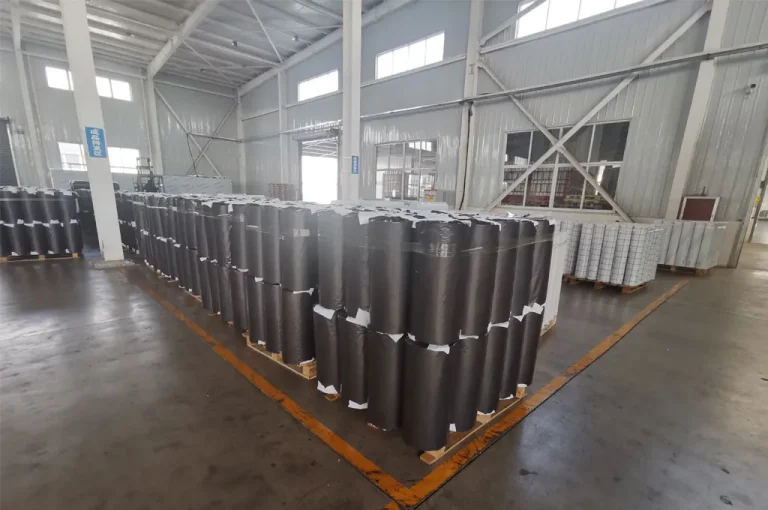
Pulivk — full in-house production capabilities with calendering, printing and split-packaging lines to support OEM, customization and reliable lead times for European partners. Visit https://pvcfilmtec.com/ for product samples and contact options.
Be proactive: pre-test for REACH and food-contact limits, present clear documentation, and align offerings with EU buyers’ sustainability expectations. Small investments in accredited testing and responsive logistics pay off quickly when entering demanding EU markets.