Address
304 North Cardinal St.
Dorchester Center, MA 02124
Work Hours
Monday to Friday: 7AM - 7PM
Weekend: 10AM - 5PM
Address
304 North Cardinal St.
Dorchester Center, MA 02124
Work Hours
Monday to Friday: 7AM - 7PM
Weekend: 10AM - 5PM



China has become one of the world’s most complete supply hubs for PVC film—from raw materials and calendering to printing, slitting, and export-ready packaging. For global buyers, this means wider product choices, flexible OEM/ODM customization, and competitive pricing across furniture, building decoration, electronics, advertising, medical, and household applications. This guide explains the main PVC film types made in China, typical pricing logic, how to evaluate manufacturers, and how to choose a supplier that matches your market requirements.
Key takeaway:
The “right” PVC film supplier in China is not only the one with the lowest quote—it’s the one that can keep batch consistency, provide stable lead times, and support compliance documents for your destination market.
China’s PVC film industry benefits from clustered manufacturing ecosystems: resin supply, calendering lines, gravure printing, embossing rollers, coating technologies, and logistics all operate within established industrial regions. For overseas buyers, these clusters reduce sourcing friction—samples can be made quickly, surface effects can be iterated faster, and mass production can scale without switching vendors.
✔ Full-process capability
Many leading producers run calendering + printing + slitting + packing under one roof, helping control defects and shorten delivery.
✔ Export experience
Established Chinese suppliers commonly ship to Southeast Asia, the Middle East, and Europe with moisture-protected packaging and documentation support.
✔ OEM/ODM flexibility
Thickness, width, roll length, pattern, gloss, and functional coatings (anti-static/anti-fog/food-grade) are often customizable.
When working with Chinese manufacturers, fast and precise communication usually gets the best results. Buyers who provide clear specs (thickness, width, pattern code, embossing, adhesive type, target substrate, and expected yearly volume) often receive more accurate quotes and faster sampling. It’s also common to evaluate suppliers through a combination of trial orders and batch consistency checks, rather than relying on one perfect sample.
What many Chinese factories expect from overseas buyers:
target use-case, reference photos, substrate type (MDF, PVC board, metal, glass), performance priorities (scratch resistance, color stability, adhesion), and destination compliance needs.
PVC film is a thin polyvinyl chloride sheet used for decoration, protection, insulation, and packaging. Chinese manufacturers typically offer both calendered films and decorative/functional films with multiple surface effects, coatings, and lamination structures.
Calendered film is made by processing PVC compound through heated rollers to achieve stable thickness and surface finish. It is widely used for furniture wrapping, laminates, thermoforming, packaging, and industrial applications where thickness consistency matters.
Recommended for buyers who need predictable thickness tolerance, scalable supply, and good cost-performance. Learn more here:
Calendered Film.
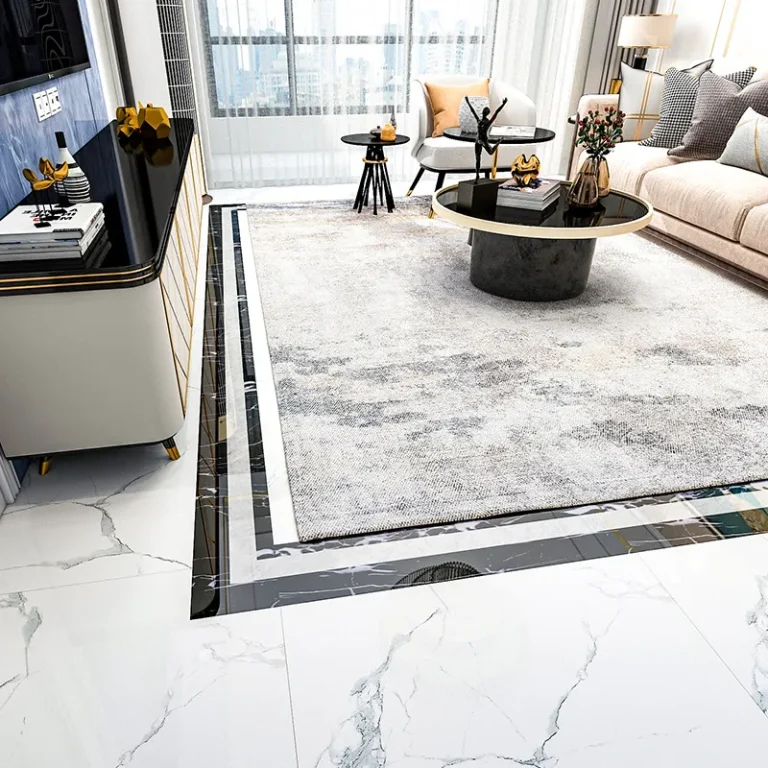
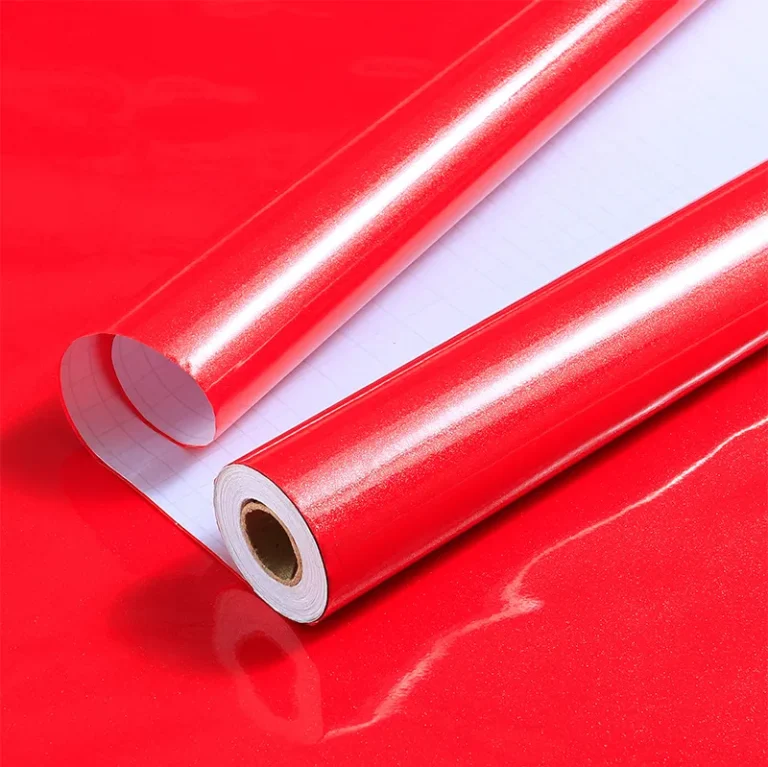
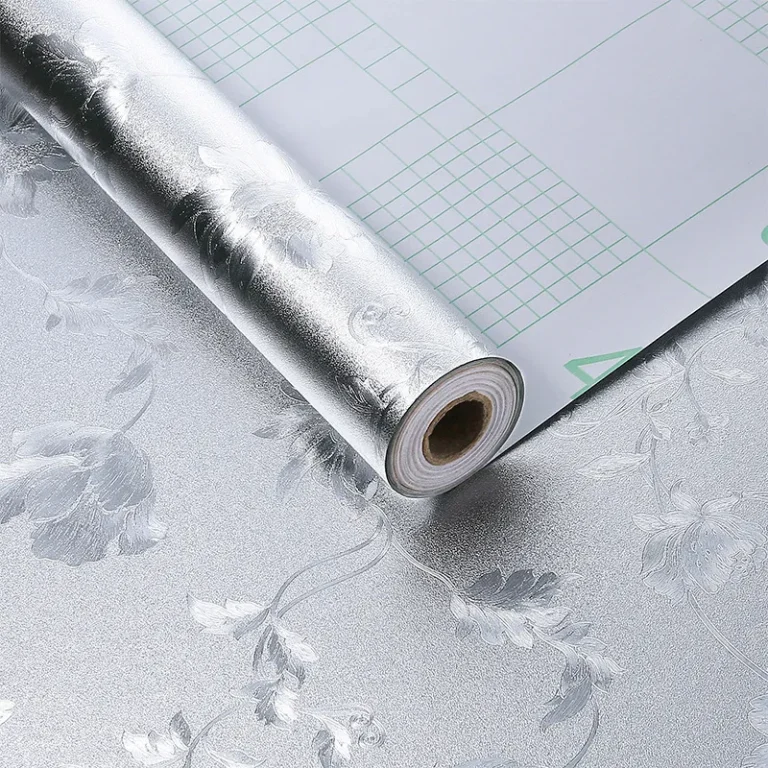
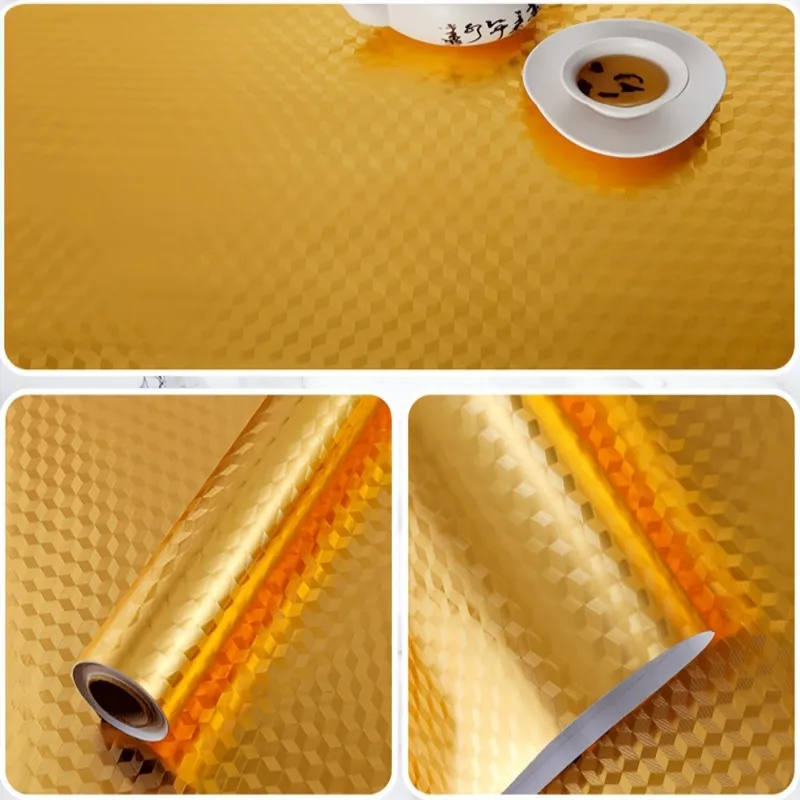
Decorative PVC films are designed to upgrade surfaces with texture and pattern while adding water resistance and easier cleaning. Common patterns include wood grain, marble/stone, solid color, fabric texture, brushed effects, metallic looks, and artistic textures. These films are widely used for cabinet doors, wall panels, partitions, ceilings, skirting, and interior profiles.
Popular decorative choices (with sourcing notes):
Beyond decorative prints, many Chinese suppliers offer transparent film, frosted/matte film, pearlescent film, colored film, and embossed film. These are commonly used for protective layers, packaging, stationery, industrial covers, and interior applications where light diffusion or privacy is needed.
Functional films are engineered for specific environments: anti-static films for electronics, self-adhesive films for fast installation, protective films for transport and manufacturing, and coated films for anti-fog or food-grade applications. If your product touches skin, is used indoors, or is installed in enclosed spaces, specify your safety and odor requirements up front.
PVC film pricing varies significantly, even for similar-looking products. Most quotes are built from material formulation, thickness, surface effects, printing complexity, slitting/packaging, compliance requirements, and order volume. Instead of comparing prices only by “per kg” or “per roll,” compare suppliers using the same technical specification and quality acceptance criteria.
Pricing drivers buyers often miss:
• Thickness tolerance (tight tolerance costs more)
• Embossing roller complexity and depth
• Ink system (eco-friendly inks, low-odor requirements)
• Functional coatings (anti-static/anti-fog/anti-scratch)
• Slitting accuracy and roll packing standards for export
To avoid surprise cost adjustments after sampling, include these items in your RFQ: application and substrate, thickness and tolerance, width, roll length, core ID, surface finish (gloss/matte/soft-touch), embossing code, color standard (Pantone/RAL or sample), adhesive type (if any), packaging method (PE film/kraft paper), and target incoterms/shipping port.
“Leading” manufacturers are not defined only by capacity. They usually share a disciplined production system: stable formulations, documented QC checkpoints, traceability by batch, and a clear approach to lead time management. A supplier with full-process lines can often deliver more consistent results because fewer steps are outsourced.
Ask whether the factory covers calendering, printing, and slitting/packing internally. Full-process control can reduce color drift, surface inconsistency, and schedule risk—especially when you are repeating orders over months.
A reliable PVC film manufacturer should be able to share QC routines such as thickness checks, adhesion tests (for laminated/self-adhesive products), tensile strength, surface defect inspection, and optical evaluation for transparent films. Batch traceability is essential when you sell to distributors or need after-sales support.
Many importers need REACH/RoHS alignment or specific customer policies (heavy-metal free, phthalate-free, low odor). If your PVC film is used indoors (furniture, wall panels, cabinetry), also consider the expectations of your end users: easy cleaning, minimal smell after installation, and stable color under lighting.
🔎 Buyer’s document request pack:
ISO certificates (if available), REACH/RoHS declarations, third-party test reports, SDS, and a signed specification sheet covering thickness, width, and surface requirements.
The most efficient way to choose a PVC film supplier in China is to start from the end-use environment and define the performance target. A cabinet door film, a wall decorative film, and an anti-static electronics film may all be “PVC film,” but they require different formulations and QC priorities.
Match film type to end use:
1) Confirm capability fit
Ask which film structures they produce (single layer, multi-layer, laminated, self-adhesive) and whether they can provide the surface effect you need.
2) Run sampling with acceptance criteria
Define what “pass” means: thickness tolerance, ΔE color tolerance, emboss depth feel, adhesion, odor, and surface defects.
3) Validate batch repeatability
Request a second sample run or a small trial order to check whether production matches the first approved sample.
4) Lock packaging and logistics
Confirm roll protection (dustproof PE film or kraft paper), labeling, pallet method, and moisture protection for sea freight.
A specialized manufacturer such as Pulivk Film focuses on R&D and production of multiple PVC film categories—calendered film, decorative film, floor film, soft-touch film, transparent film, and more—serving furniture, construction, electronics, advertising, medical, and home industries. With integrated calendering, printing, and slitting/packing lines, the supplier can control quality across the full workflow while reducing delivery time and avoidable cost.
For overseas shipments, individually wrapped rolls (dustproof PE film or kraft paper) with specification labels help minimize transit damage and simplify warehouse receiving—an often overlooked factor for importers managing multiple SKUs.
Many sourcing issues come from unclear specs or missing performance expectations. PVC film is sensitive to formulation, surface finishing, and process stability; without agreed standards, you may receive film that “looks similar” but behaves differently in lamination, wrapping, or installation.
⚠ Avoid these sourcing pitfalls:
Lead time depends on order size, whether a new embossing or pattern match is needed, and the production plan of the factory. Many suppliers can produce samples quickly, then schedule mass production after sample approval. For global delivery, sea freight is common for full containers, while urgent replenishment may use air freight for smaller volumes.
Request export-ready packaging that protects against moisture, dust, and compression. Typical best practice includes individual roll wrapping (PE film or kraft paper), clear labels (SKU, size, batch), corner protection if palletized, and container moisture control for longer sea routes.
PVC film is a thin sheet made of polyvinyl chloride used for decorative, industrial, and packaging purposes. Common uses include furniture wrapping, cabinet doors, wall panels, flooring layers, electronics protection, advertising surfaces, and clean packaging.
Yes. Many suppliers support OEM/ODM customization such as thickness, width, roll length, printing pattern, embossing, gloss level, and functional coatings (anti-static, anti-fog, food-grade) plus customized packing and labeling.
Start with the application and substrate: furniture and cabinets typically need stable color and scratch resistance; flooring needs wear performance; electronics may need anti-static properties. Ask for samples and test under your real processing conditions before confirming mass production.
Common requests include ISO-related certificates (if available), REACH/RoHS declarations, SDS, and third-party test reports (heavy metals/phthalates) depending on your market and customer policies.
Lead time is influenced by customization level, order volume, production schedule, and packaging requirements. To reduce delays, confirm specs clearly, approve samples quickly, and lock packaging/labeling details before production starts.