Address
304 North Cardinal St.
Dorchester Center, MA 02124
Work Hours
Monday to Friday: 7AM - 7PM
Weekend: 10AM - 5PM
Address
304 North Cardinal St.
Dorchester Center, MA 02124
Work Hours
Monday to Friday: 7AM - 7PM
Weekend: 10AM - 5PM


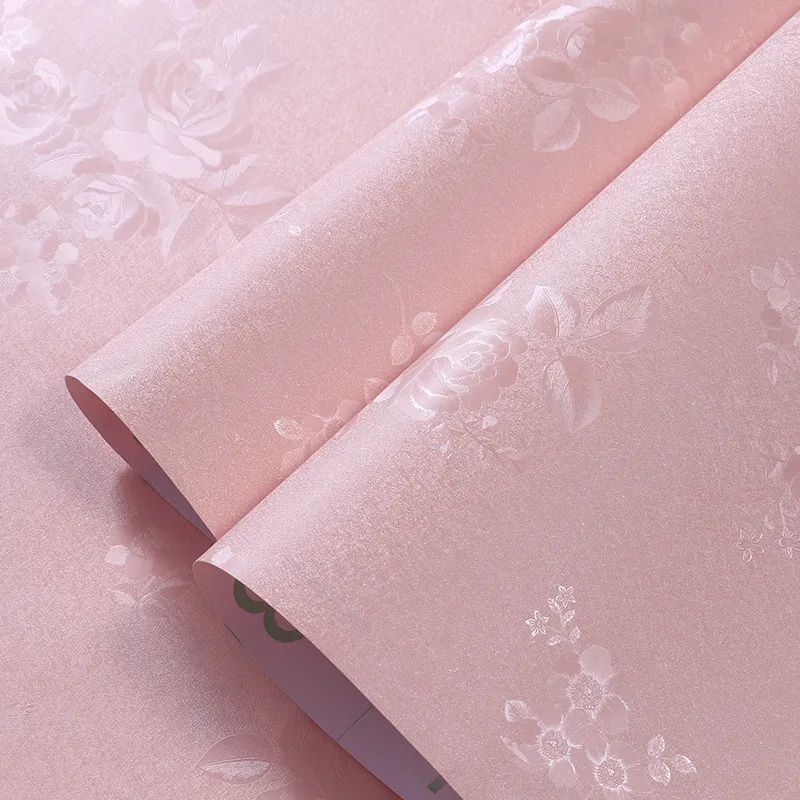
PVC film is a versatile, durable plastic sheet widely used for decoration, packaging, flooring, and protective coverings. Understanding what PVC film is made of and how it works helps architects, product designers, and procurement teams choose the right grade for each application.
PVC film is based on polyvinyl chloride polymer (PVC resin) blended with a carefully selected mix of additives. The exact formulation changes with end-use: decorative surface films require different plasticizers and surface coatings than food-contact or anti-static films. Below are the core components you will find in most commercial PVC films.
PVC Resin — The backbone polymer that gives the film its structure. It’s supplied as PVC powder or resin and melted during processing.
Plasticizers — Added to increase flexibility and reduce brittleness. Modern formulations often use phthalate-free plasticizers for safer indoor use.
Stabilizers — Thermal and UV stabilizers (commonly Ca/Zn systems) protect the film during processing and extend lifetime under light and heat.
Fillers & Extenders — Materials like calcium carbonate are added to lower cost, control stiffness, and improve surface quality.
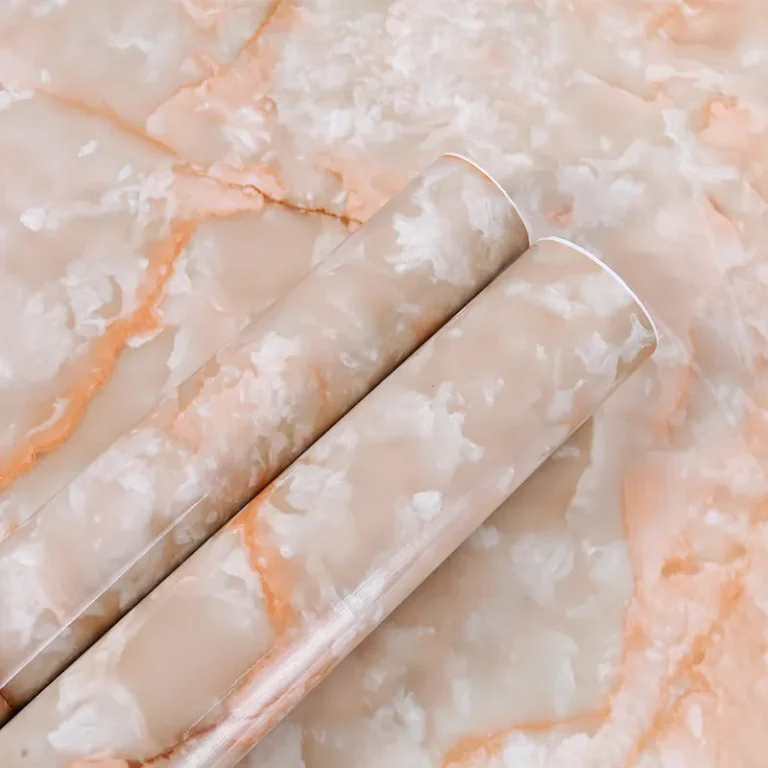
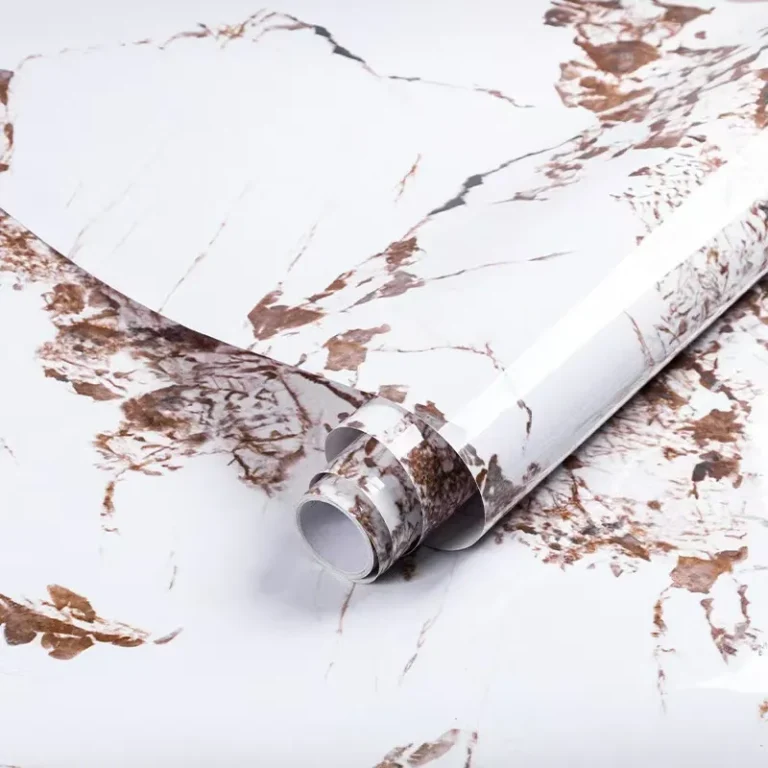
Pigments & Dyes — Provide colors and special effects (metallics, marbles, woodgrain). In coated films, printed layers create detailed patterns.
Surface Additives — Slip agents, anti-scratch coatings, anti-block agents, and release layers tune handling, appearance, and adhesion for laminates and adhesives.
Most high-quality PVC films are produced using calendering or extrusion + calendaring processes. The method affects thickness control, surface finish, and mechanical properties.
Controlled compounding determines flexibility and chemical resistance. Calendering provides consistent thickness and enables embossed textures, while precision printing delivers realistic decorative effects. Final splitting and protective wrapping preserve quality in transit.
| Component | Typical % by Weight | Primary Function |
|---|---|---|
| PVC Resin | 40–60% | Structural matrix |
| Plasticizers | 20–40% | Softness & flexibility |
| Fillers (CaCO3) | 5–20% | Cost control, stiffness |
| Stabilizers & Additives | 2–8% | Heat/UV resistance, processing |
| Pigments & Coatings | <1–10% | Color & surface finish |
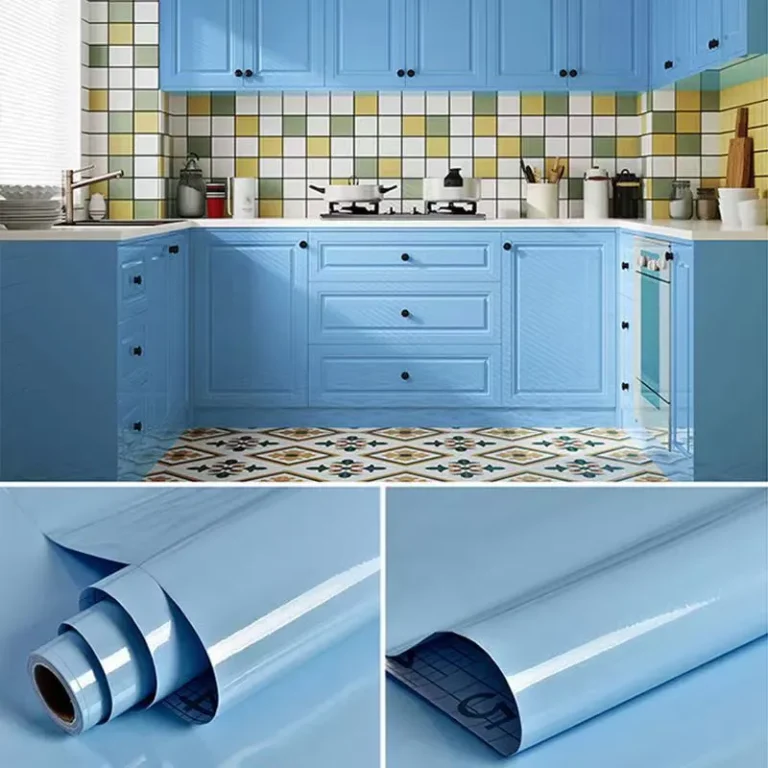
PVC film is used across many industries because of its blend of cost, performance, and aesthetics:
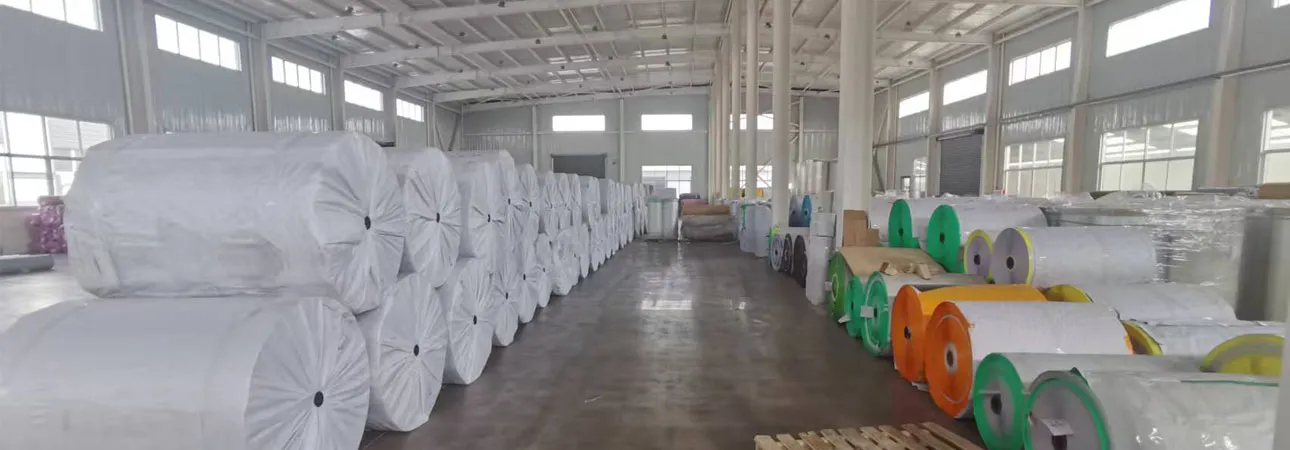
When selecting PVC film, evaluate these factors: thickness, plasticizer type (phthalate-free for indoor use), surface finish, print quality, and environmental certifications (RoHS/REACH). For high-traffic floors or kitchens choose abrasion-resistant and anti-slip grades.
Many manufacturers now offer low-VOC, phthalate-free PVC films and use Ca/Zn stabilizers instead of heavy metals. Recycling streams for PVC exist, but ensure local facilities accept post-consumer PVC if disposal is a concern. Always verify compliance for regulated markets.
Store rolls flat in dry conditions. Clean decorative films with mild detergents and soft cloths; avoid abrasive cleaners. For adhesives, follow manufacturer open time and surface prep guidelines to ensure lasting bonding.
Pulivk offers full in-house production capabilities—calendering, printing, and split-packaging—to support custom PVC film specifications with consistent quality and reliable lead times. Visit https://pvcfilmtec.com/ for more details.