Address
304 North Cardinal St.
Dorchester Center, MA 02124
Work Hours
Monday to Friday: 7AM - 7PM
Weekend: 10AM - 5PM
Address
304 North Cardinal St.
Dorchester Center, MA 02124
Work Hours
Monday to Friday: 7AM - 7PM
Weekend: 10AM - 5PM


Choosing the right PVC film is not only about picking a pattern you like—it is about selecting the correct model, size, and specification that will perform reliably in your real production environment. Whether you are laminating furniture panels, wrapping profiles, protecting surfaces during transport, or printing promotional graphics, the “best” PVC film depends on measurable parameters: thickness tolerance, width capability, roll length, surface finish, adhesion behavior, and compliance needs.
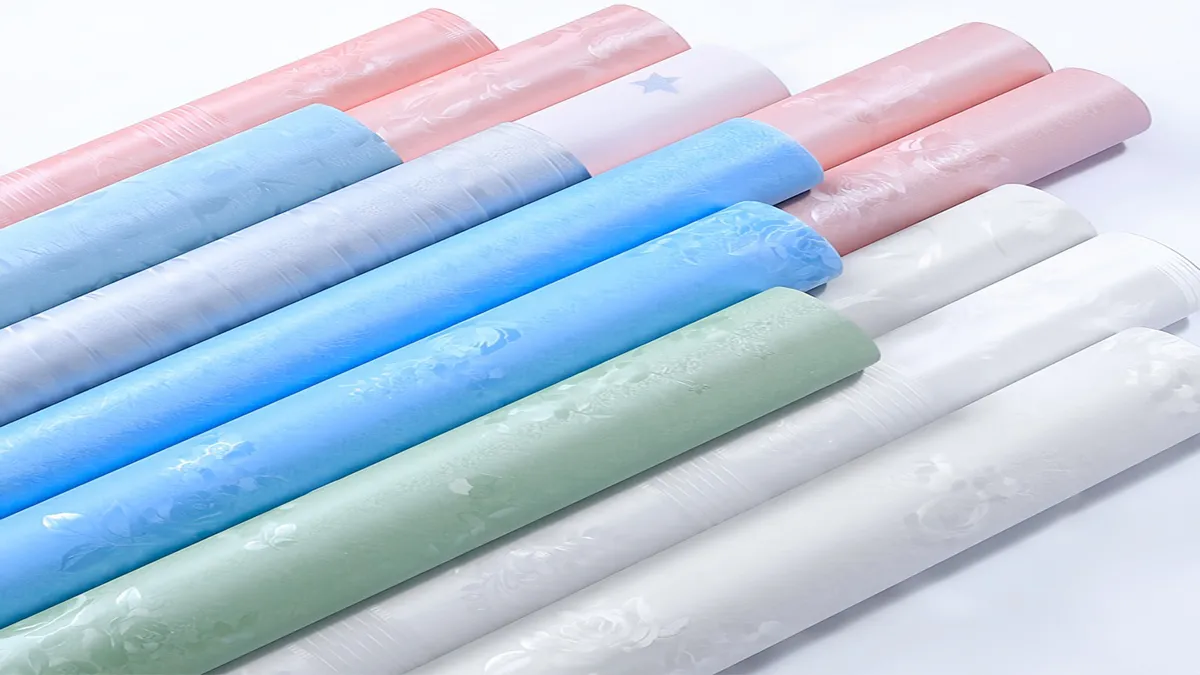
This guide breaks down common PVC film models and available sizes in a practical, buyer-friendly way. You will also learn how manufacturers like Pulivk Film control calendering, printing, and slitting/packaging in one workflow—helping you obtain consistent quality, stable lead times, and cost-effective customization.
In sourcing, “model” typically refers to a combination of manufacturing method, structure, surface finish, and functional treatment. Two films with the same pattern can behave differently if their base film, plasticizer system, or topcoat differs. To avoid mismatches, define the model using the attributes below.
Key model identifiers
Calendered PVC film is a widely used base material with stable thickness and good forming performance. It can be further printed, embossed, or coated depending on the final application. If you need a robust and scalable material for secondary processing, start here:
Calendered Film.
Typical use cases include furniture lamination, general protective layers, thermoforming sheets, and industrial wrapping where consistency matters.
Decorative PVC films are chosen primarily for aesthetics, but performance is equally important: scratch resistance, stain resistance, and stable color matching across batches. Common designs include wood grain, stone/marble, cloth grain, solid color, and artistic textures.
Examples of design-driven options include
Wood Grain Film
and
Marble Film.
Texture films add visual depth and a “touch” experience—useful when customers interact with the surface (cabinet doors, wall panels, display fixtures). Deep embossing and silk-like textures can also help hide fingerprints and minor handling marks.
If your project requires a higher-end tactile finish, consider:
3D Silk Texture Film.
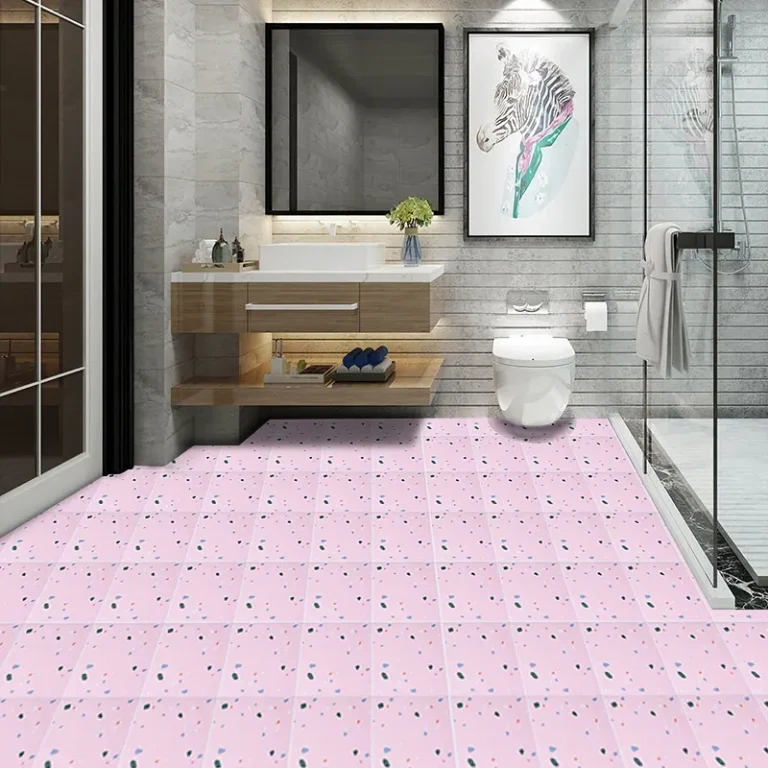
Flooring-related PVC films prioritize wear resistance, dimensional stability, and easy cleaning. Many projects also require anti-slip textures or compatible lamination structures depending on the substrate. Explore flooring-specific options here:
Floor Film.
For skirting boards and profiles, stable width control, neat winding, and consistent color are crucial—especially when automated wrapping lines are used. A practical reference category is:
PVC Skirting Film.
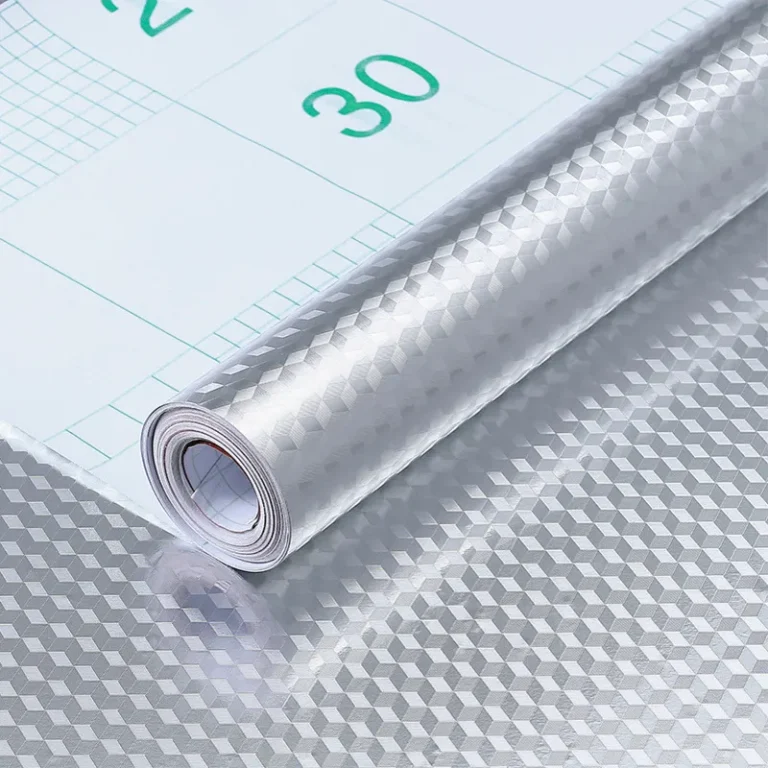
PVC film “size” is usually specified as thickness × width × roll length. However, purchasing success depends on more than those three numbers. You should also define core inner diameter, winding direction, splice policy, and packaging requirements.
Tip: Always request thickness tolerance and test across the roll (edge-to-center). A good supplier can provide batch traceability and QC records.
Width is typically selected based on your lamination machine, printing coverage, or wrapping line requirements. If you are converting rolls into narrower tapes or strips, discuss slitting plan early to reduce waste.
Important: confirm allowable width tolerance and edge quality (no burrs, no telescoping).
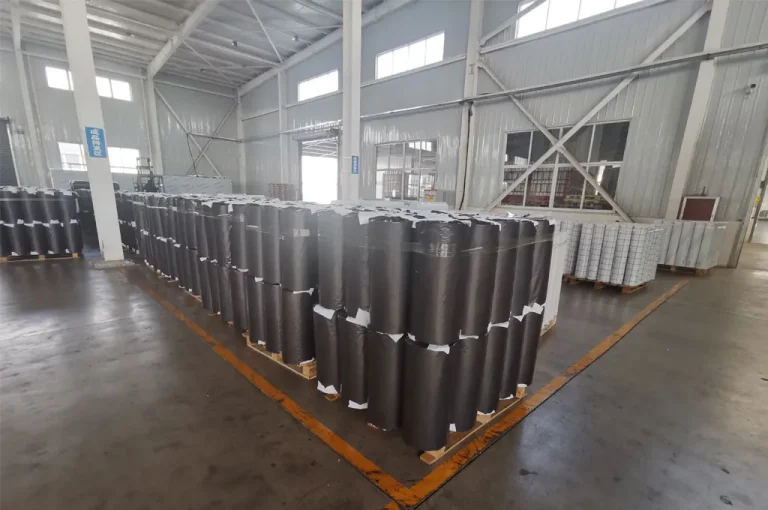
Longer rolls reduce changeover time but increase roll weight and handling requirements. Your optimal roll length depends on operator ergonomics, automation level, and warehouse constraints.
Check: core size, max outer diameter, and pallet packing method to avoid shipping damage.
To avoid back-and-forth and speed up sampling, prepare a clear specification sheet. The list below covers the most common parameters used by professional buyers.
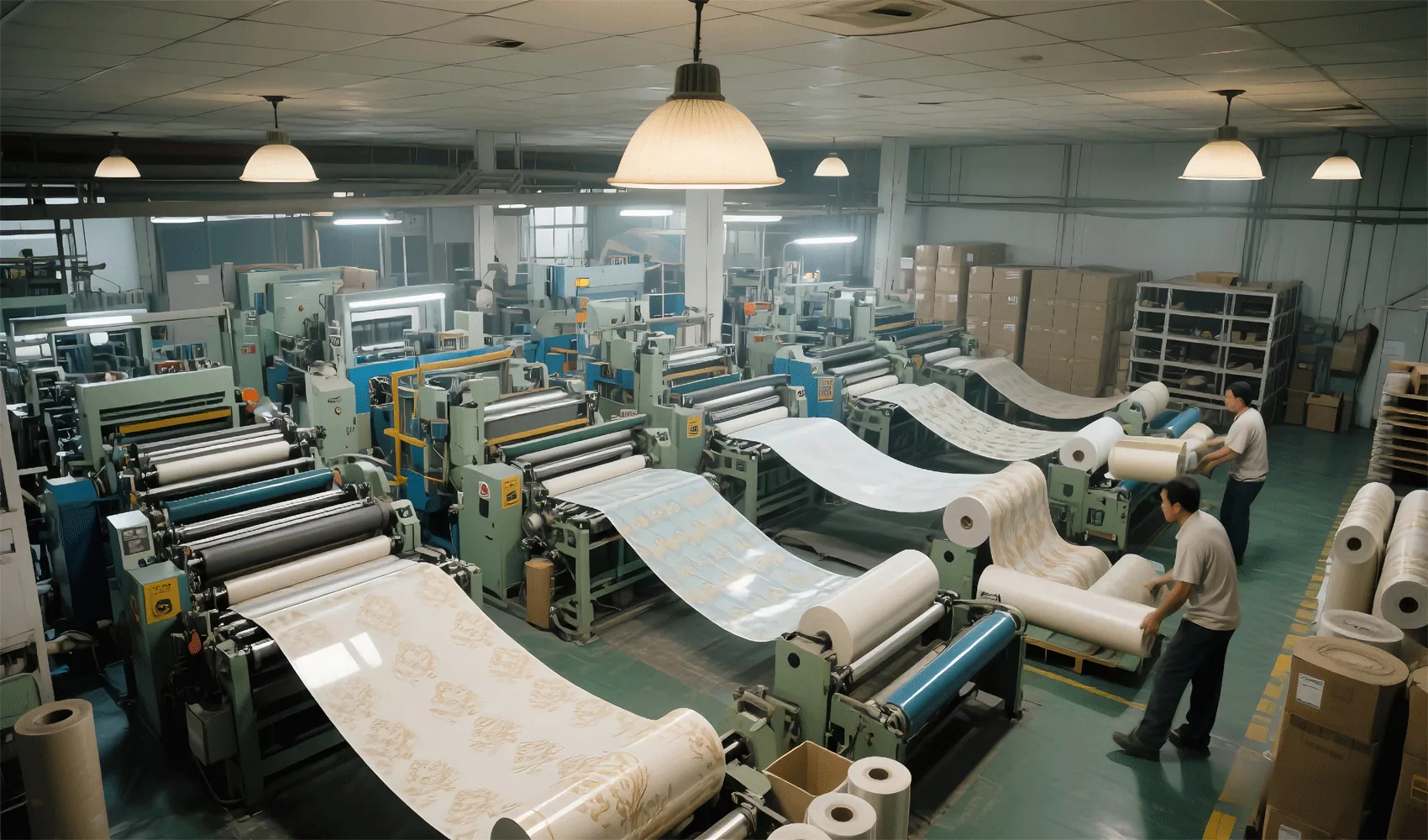
Many size and quality problems come from fragmented production. If calendering, printing, and slitting are handled by different vendors, you may see inconsistent gloss, unstable color, and longer lead times. A vertically integrated factory can control variables from raw materials to finished rolls.
Pulivk Film operates full production lines for calendering, printing, and slitting/packaging. This end-to-end control helps deliver stable thickness, predictable roll geometry, and consistent print registration—especially important when you reorder the same pattern for a project extension.
A professional supplier typically verifies thickness, tensile strength, optical clarity (for transparent films), adhesion behavior (for self-adhesive products), and surface defects. For export projects, third-party verification and certification reports are often available on request.
OEM/ODM services allow you to align the film with your brand and process conditions—without redesigning your downstream workflow. Common customization includes thickness, width, roll size, pattern/color, surface treatments (anti-fog/anti-static/food-grade), and packaging.
Even perfectly produced PVC film can fail at arrival if packaging and logistics are not designed for roll products. Export-ready packaging typically includes moisture protection, anti-damage reinforcement, and clear labeling for traceability.
For interior decoration and human-contact scenarios, buyers increasingly require safer formulations and documented compliance. Pulivk Film states the use of eco-friendly, non-toxic inks and offers films compliant with commonly requested systems and regulations, such as ISO management systems and chemical restrictions (REACH/RoHS), with test reports available when needed.
If the film will be used in medical, food-adjacent, or child-contact environments, confirm the exact compliance scope (material, ink, adhesive, and liner), and ask for the relevant third-party documentation before mass production.
PVC film is a thin sheet made from polyvinyl chloride, widely used for decoration, protection, and industrial processing—such as furniture surface finishing, wall décor, flooring layers, electronics protection, and packaging.
Choose thickness based on durability and forming needs (scratch resistance, emboss depth, handling strength), and choose width based on your machine capability and product coverage. Also confirm tolerances, edge quality, and winding parameters.
Yes. OEM/ODM customization commonly includes thickness, width, roll length, pattern/color matching, and surface treatments such as anti-static, anti-fog, glossy/matte, and other functional coatings.
MOQ and lead time depend on the film type, required size, color/pattern complexity, and whether new tooling or special coatings are needed. Many suppliers support trial orders and then scale to mass production once the specification is confirmed.
Send the film model/type, thickness, width, roll length, finish (gloss/matte/emboss), color/pattern reference, quantity, and your application/substrate details. Clear packaging and compliance requirements also help prevent delays.