Address
304 North Cardinal St.
Dorchester Center, MA 02124
Work Hours
Monday to Friday: 7AM - 7PM
Weekend: 10AM - 5PM
Address
304 North Cardinal St.
Dorchester Center, MA 02124
Work Hours
Monday to Friday: 7AM - 7PM
Weekend: 10AM - 5PM


Buying PVC film by the roll is rarely a “one-price-fits-all” purchase. The final PVC film roll price depends on material formulation, surface finish, thickness, width, printing, order quantity, packaging, and shipping terms. This guide explains what drives cost, what price ranges to expect in real sourcing scenarios, and how to request quotes that are accurate, fast, and comparable across suppliers.
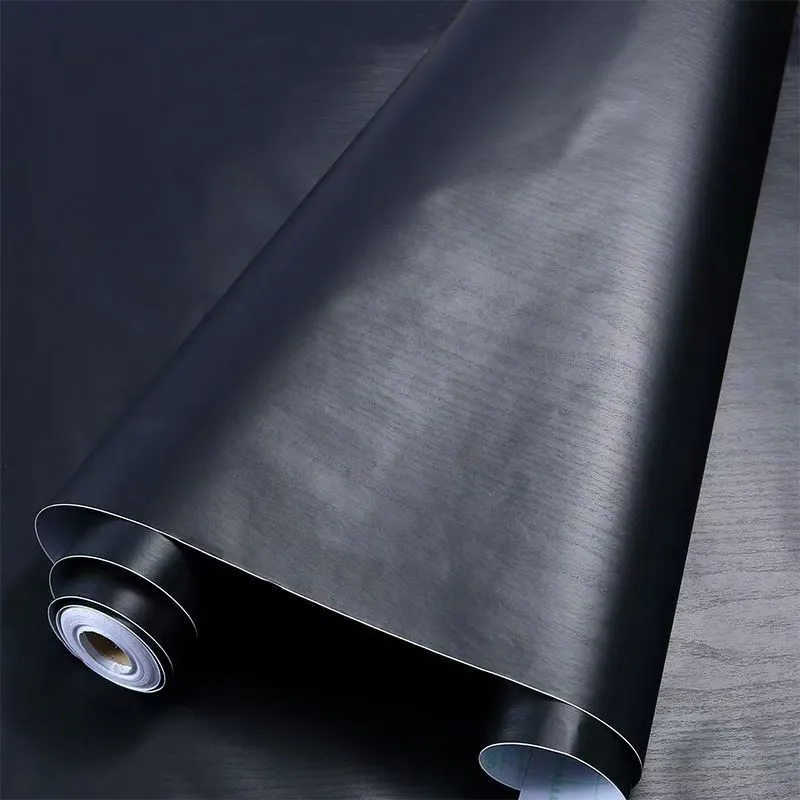
A PVC film roll quotation usually bundles multiple cost layers—not just resin. When you compare offers, confirm whether the quote is for ex-works (EXW), FOB, CIF, or DDP. The same roll can look “cheap” at EXW but become more expensive after freight, insurance, and destination charges.
✔ Quick check:
Ask every supplier to quote using the same Incoterm, the same roll size, and the same packaging method. Otherwise, you are not comparing the same product.
PVC film pricing starts with resin and additives. Plasticizers, stabilizers, pigments, and functional agents (anti-static, anti-fog, antibacterial, scratch resistance) all change the cost. Compliance requirements such as REACH, RoHS, and FDA-contact may require higher-grade inputs and tighter process control, which typically increases price but reduces risk for indoor applications and human-contact environments.
Calendered PVC film is widely used because it balances thickness consistency, surface quality, and productivity. Printing and embossing add steps and setup costs. Multi-layer composite films, cloth-backed structures, or specialty topcoats often cost more but can reduce downstream issues such as bubbling, poor adhesion, or uneven gloss.
If you’re comparing basic substrate options, you can reference a typical calendered product category like
Calendered Film
to align on what “base film” means before adding texture, print, or adhesive.
Price is commonly quoted per kilogram, per square meter, or per roll. Thickness (microns/mm) and width strongly affect weight and yield. Wider films can require stricter edge control and slitting accuracy. Longer roll lengths may reduce changeover waste but increase packaging and handling requirements.
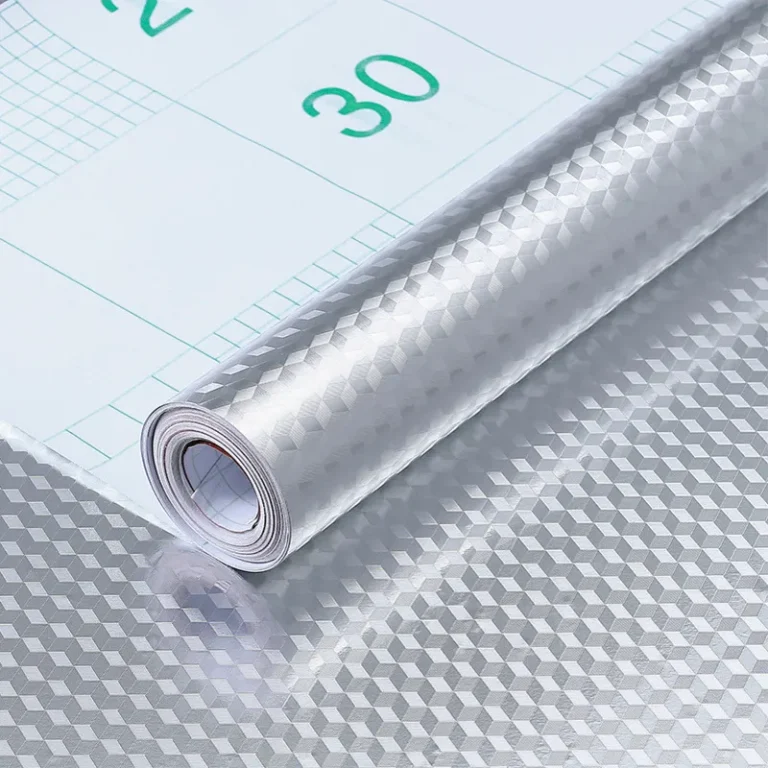
Surface appearance is one of the biggest cost drivers for decorative film. Deep embossing, 3D relief, silk-like textures, and high-gloss mirror effects can require special rollers, controlled cooling, and tighter QC. If your application is premium furniture wrap, a specialty texture (for example
3D Silk Texture Film)
should be quoted with a confirmed sample standard, because “similar looking” textures may differ in feel, depth, and scratch resistance.
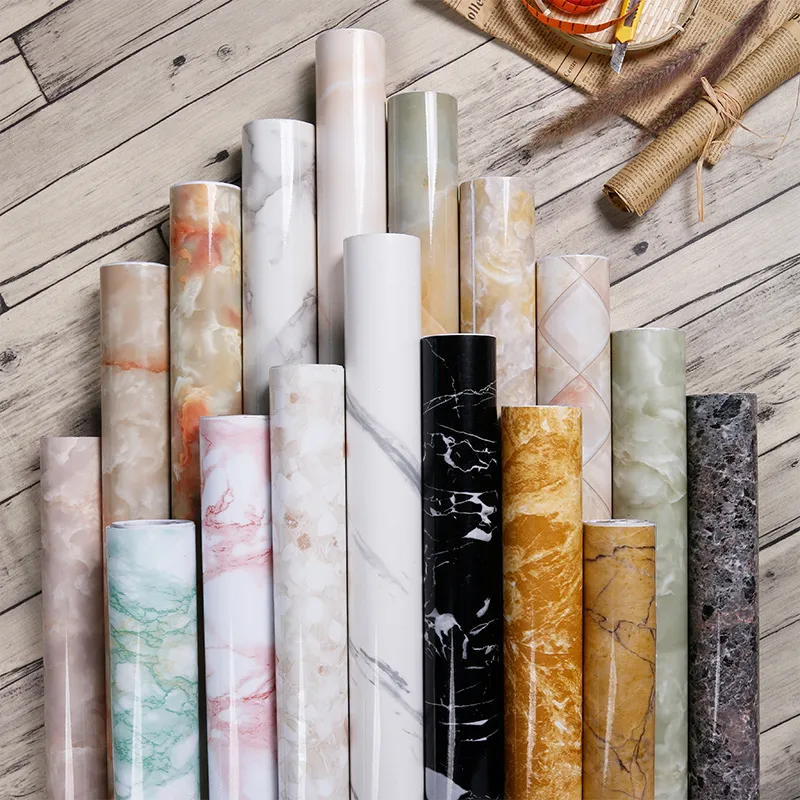
Solid colors are often easier to standardize, while wood grain, marble, and metal effects may involve multi-stage printing and color matching. If you require strict color tolerance across batches, expect additional QC time and potentially higher cost. For projects like
Wood Grain Film
or
Marble Film,
providing a physical sample or Pantone/printing reference improves quote accuracy.
Self-adhesive PVC film includes adhesive coating and a release liner—both affect price. Adhesive type (removable, permanent, high-tack), liner material, and liner thickness can significantly change cost. If you do lamination in-house, a non-adhesive base film may be more economical.
Small runs cost more per unit because setup, roller changes, ink preparation, and QC are spread across fewer rolls. Larger orders typically receive better pricing and more stable lead times. Many factories can support trial orders, but the most competitive rates usually begin at consistent repeat volumes.
Export-ready packaging matters: dust-proof PE wrap or kraft paper, corner protection, palletization, moisture barriers, and clear labels reduce transit claims. Strong packaging can add a small cost but prevents expensive rework or delays at the destination.
⚠ Pay attention to:
thickness tolerance, plasticizer migration resistance, odor/VOC control for indoor use, and adhesion compatibility with your substrate. A lower price can turn expensive if it causes returns, peeling, or inconsistent color across lots.
PVC film roll price ranges vary by region, resin cycles, and specifications. Instead of giving a single number that may mislead, use the ranges below as a practical framework for budgeting and quote evaluation. Final pricing still depends on your thickness, width, finish, quantity, and shipping term.
| Film Type | Common Uses | Relative Price Level | Why It Costs More/Less |
|---|---|---|---|
| Basic calendered clear/color film | Packaging, protection layers, simple lamination | Low to mid | High throughput, fewer surface steps |
| Decorative wood/marble/printed film | Furniture, panels, doors, interior décor | Mid | Printing setup, color matching, pattern control |
| Embossed/3D texture film | Premium furniture, feature surfaces | Mid to high | Emboss roller cost, tighter QC for texture depth |
| Functional film (anti-static, anti-fog, special coatings) | Electronics, cleanrooms, medical, industrial | High | Coatings, compliance testing, performance requirements |
| Self-adhesive film (with liner) | Wrap, renovation, signage, quick installation | Mid to high | Adhesive + release liner + processing complexity |
When suppliers provide prices, also confirm the unit basis: USD/kg, USD/m², or USD/roll. Converting between them requires accurate density, thickness, width, and roll length. A “cheap per kg” offer may still be expensive per square meter if thickness tolerance runs high.
The fastest way to get a sharp quote is to provide a clear specification sheet. If you only ask, “How much is PVC film?”, you will receive broad ranges. A good RFQ makes pricing comparable and reduces misunderstandings.
① Film type: calendered / decorative / embossed / self-adhesive
② Pattern or color: code, reference sample, or Pantone
③ Finish: glossy / matte / soft-touch / embossed depth requirement
④ Thickness: target + tolerance (e.g., 0.15 mm ± 0.01 mm)
⑤ Width: mm (and slit widths if needed)
⑥ Roll length & core: meters per roll, core ID, max OD limit
⑦ Quantity: rolls or total sqm/kg per order, forecast if repeat
⑧ Application: furniture wrap, wall panel, flooring, packaging, etc.
⑨ Compliance: REACH/RoHS/FDA, phthalate-free, low odor needs
⑩ Incoterm & destination: EXW/FOB/CIF + port/postal code
Two films with the same thickness can behave very differently on your line. Before you commit to a “best price,” check: surface feel, gloss, print alignment, shrinkage, adhesion/lamination behavior, and scratch resistance. For décor applications, also check lighting conditions—films can look different under warm vs cool LEDs.
Damaged edges, dust contamination, or missing spec labels can cost far more than a small packaging upgrade. Specify single-roll wrapping (dust-proof PE film or kraft paper), clear labels (thickness/width/lot), and pallet protection when shipping long distance.
If your market requires it, request ISO management, REACH/RoHS statements, and test reports. Certifications do not automatically guarantee suitability, but they reduce compliance risk and improve traceability—especially important for indoor décor and human-contact environments.
The best long-term pricing comes from stable repeat orders, but stability requires a shared standard. Approve a golden sample, record key parameters (gloss range, emboss depth, color tolerance), and ask for batch traceability. This helps prevent costly re-quoting and re-sampling each time.
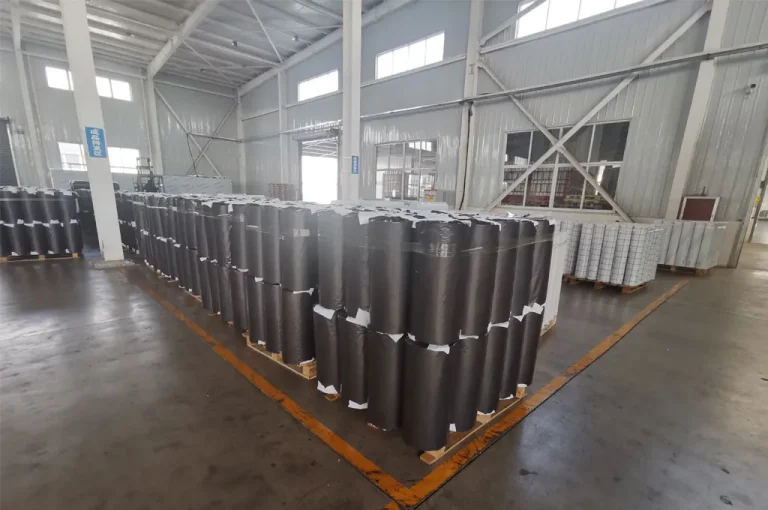
Pulivk Film focuses on R&D and manufacturing of PVC films including calendered film, decorative film, floor film, soft-touch film, transparent film, and more. A key advantage in pricing consistency is full-process capability: calendering, printing, and slitting/packaging are handled in-house. This supports tighter quality control, shorter lead times, and lower coordination cost across the supply chain.
➤ More stable lead time: fewer outsourced steps and clearer scheduling
➤ Better cost control: raw material and process optimization from the source
➤ Flexible customization: size, pattern, printing, surface treatment, and packaging
➤ Consistent QC: multi-step inspections from raw material to finished rolls
For buyers sourcing multiple categories (for example decorative surfaces plus floor protection), consolidating purchases can reduce overall freight and simplify QA. You can explore broader product groupings via the
Product
page, or request technical guidance through the
Contact
channel.
If you wrap MDF or similar boards, prioritize thickness consistency, scratch resistance, and reliable color/pattern matching. A slightly higher unit price often pays back through fewer rejects on the wrapping line and fewer after-sales claims. Confirm whether you need glossy, matte, or soft-touch, and test heat/pressure response with your equipment.
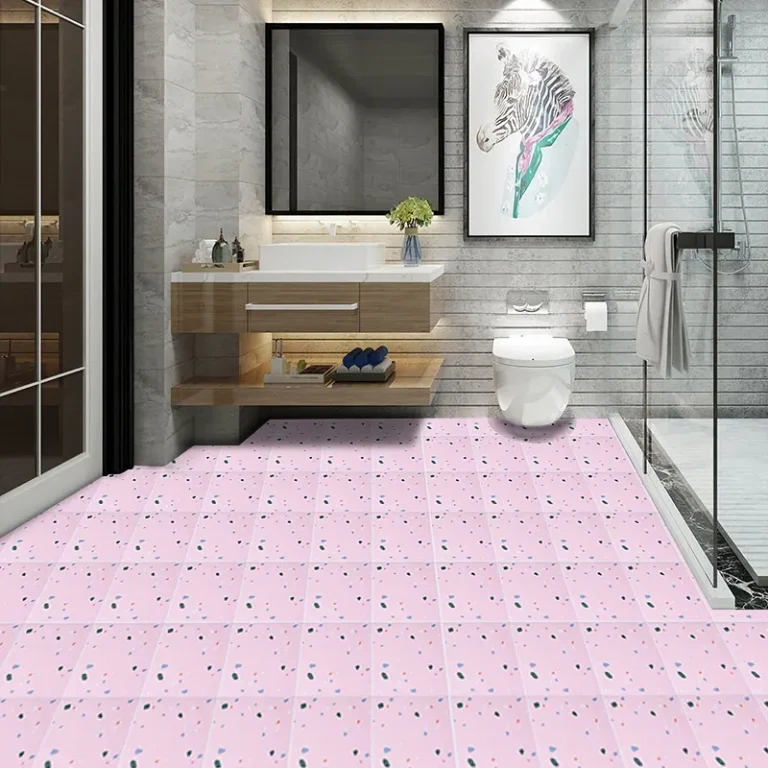
Flooring-related films often require better wear resistance and stability. Make sure the quote clearly states whether the film is a decorative layer, protection layer, or a functional layer with special performance requirements. If you are budgeting for flooring décor, referencing a category like
Floor Film
helps keep the specification aligned between buyer and supplier.
For wall décor and renovation, buyers often focus on installation ease, low odor, and clean edges after cutting. If using self-adhesive films, confirm adhesive type (removable vs permanent) and whether the liner supports bubble-free installation. If using non-adhesive, clarify your lamination method and substrate prep.
“Best quote” is usually achieved by reducing uncertainty and improving production efficiency—not by pushing margins to the point where quality becomes unstable. The following tactics are practical and supplier-friendly.
● Mistake 1: Comparing prices without confirming thickness tolerance and roll weight.
● Mistake 2: Ignoring whether the film is single-layer or multi-layer composite.
● Mistake 3: Not specifying surface finish standard (gloss level, emboss depth, soft-touch feel).
● Mistake 4: Overlooking packaging and shipping basis (EXW vs FOB vs CIF).
● Mistake 5: Skipping samples and assuming “same pattern name = same performance.”
Because thickness alone doesn’t define the product. Formulation, surface finish, printing/embossing, functional coatings, tolerance control, adhesive/liner (if any), packaging, and Incoterms can all change the final price.
Film type, thickness (with tolerance), width, roll length, finish, pattern/color reference, quantity, application, compliance requirements, and your preferred Incoterm with destination. The more specific the RFQ, the fewer revisions you’ll need.
Not always. If low price comes with unstable thickness, odor issues, weak adhesion compatibility, or poor packaging, your total cost increases through rejects, delays, and claims.
Yes. Provide your target specs and application, request samples, and test them on your process (wrapping/lamination/installation) before confirming a production standard.
Approve a golden sample, standardize specs and packaging, provide a demand forecast, and keep material/compliance requirements consistent. This reduces uncertainty and helps suppliers plan production efficiently.