Address
304 North Cardinal St.
Dorchester Center, MA 02124
Work Hours
Monday to Friday: 7AM - 7PM
Weekend: 10AM - 5PM
Address
304 North Cardinal St.
Dorchester Center, MA 02124
Work Hours
Monday to Friday: 7AM - 7PM
Weekend: 10AM - 5PM


Choosing between PVC film and PE film is not just a materials question—it directly impacts packaging performance, durability in real-world logistics, regulatory compliance, product appearance, and total cost. In modern supply chains, films are expected to do more than “wrap”: they must protect goods, present a premium look, run smoothly on packaging lines, and stay stable across temperature, humidity, friction, and time.
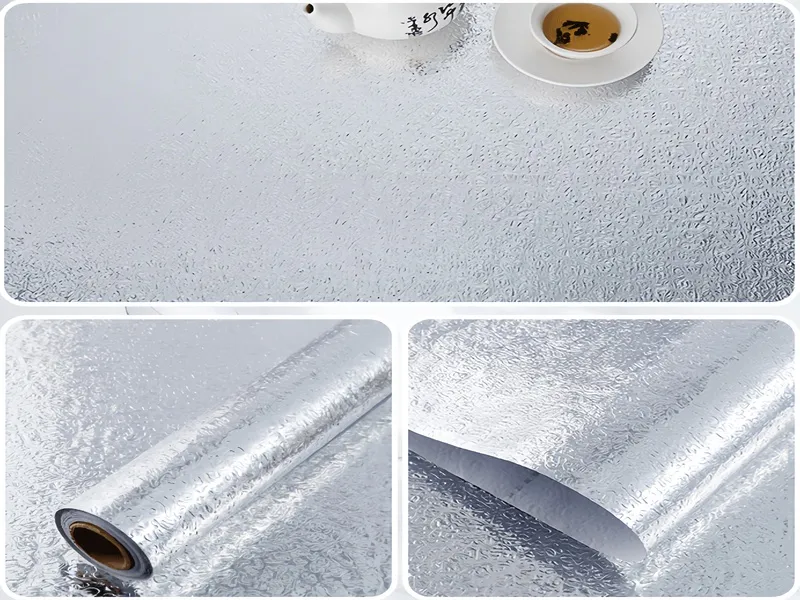
This guide compares PVC film vs PE film from a packaging perspective—covering strength, puncture resistance, clarity, sealing behavior, chemical resistance, sustainability considerations, and cost drivers—so you can pick the right film for your product, market, and production line.
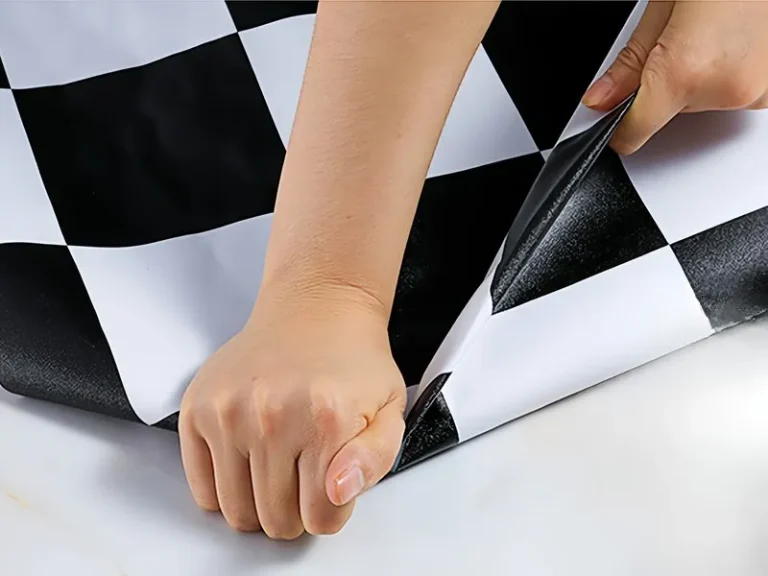
PVC Film (Polyvinyl Chloride) is widely used for decorative surfaces, protective laminations, shrink applications, and industrial wrapping. It can be manufactured as calendered film (common for decorative and rigid/semirigid applications) and can be engineered with finishes like glossy, matte, embossed, soft-touch, anti-static, and self-adhesive.
PE Film (Polyethylene) includes LDPE/LLDPE/HDPE variants and is one of the most common packaging films globally—used for bags, liners, stretch wrapping, and protective covers. It is valued for toughness, flexibility, and relatively straightforward recycling routes in many regions.
If your use case extends beyond simple packaging into decorative or surface finishing, PVC often becomes the front-runner—especially when aesthetics and functional coatings matter. For example, manufacturers frequently select calendered PVC film when they need stable thickness, surface control, and consistent roll quality for downstream processing.
For retail-facing packaging, optical clarity and surface gloss can drive purchase decisions. PVC films can deliver excellent gloss and “display-like” clarity in many grades, while PE clarity varies significantly by type and thickness. Thin PE can appear hazy, especially in stretch applications.
Tip: If “premium look” is part of your brand promise, test the film under your actual store lighting. Gloss, haze, and scuffing are often more visible under spotlights than in a warehouse.
PE is a common choice for heat sealing and high-speed packaging lines because sealing windows are familiar to many converters and operators. PVC can also be sealed depending on formulation and thickness, but production settings may require more careful optimization to avoid issues like distortion or uneven seals.
Bottom line: PE is often simpler for mass packaging; PVC can be superior when surface quality, stiffness, or functional coatings are essential.
PE generally performs well with moisture and many household chemicals, making it a frequent choice for liners and protective overwraps. PVC’s chemical resistance depends heavily on additives and formulation; it can be engineered for demanding environments, but it should be selected with the specific exposure conditions in mind (oils, plasticizers, cleaners, disinfectants, etc.).
PE (especially LLDPE) is known for strong tear resistance and flexibility—helpful for stretch wrap, heavy-duty bags, and scenarios involving sharp corners. PVC can provide solid puncture performance too, particularly in thicker, more rigid constructions, and may offer better dimensional stability in certain decorative and protective applications.
Durability is not only about whether the package breaks; it’s also about whether it still looks new after transport. PVC decorative films can be engineered with protective topcoats (matte, anti-scratch, soft-touch) to reduce visible abrasions. PE stretch films can scuff and show handling marks more easily, especially on glossy surfaces.
Key durability question to ask: Are you protecting a product, or a finished surface?
PE stays flexible at low temperatures and is commonly used in cold-chain and warehouse environments. PVC behavior varies by formulation; some PVC films can become stiffer in colder conditions. If your shipments pass through winter climates or refrigerated storage, always validate with field tests rather than relying on generic assumptions.
Many buyers focus on per-kg film price, but the real cost is influenced by downtime, scrap rate, rework, and customer complaints. PVC and PE can each be “cheaper” depending on what you measure.
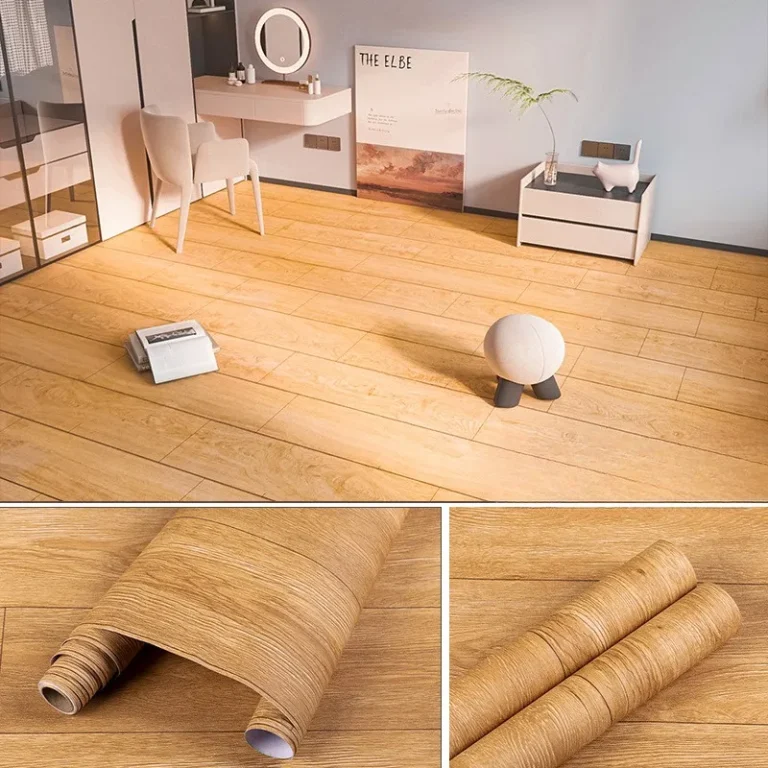
If your packaging film also functions as a decorative finish or needs premium surface performance, PVC can consolidate steps (e.g., decoration + protection). For example, furniture and interior products often use PVC decorative film patterns such as wood grain film to achieve consistent aesthetics while maintaining durability.
For high-volume protective packaging—liners, stretch wrap, pallet wrap, simple bags—PE frequently wins due to supply availability, established converting ecosystems, and efficient line speeds. If appearance and surface performance are secondary, PE is often the most cost-effective option.
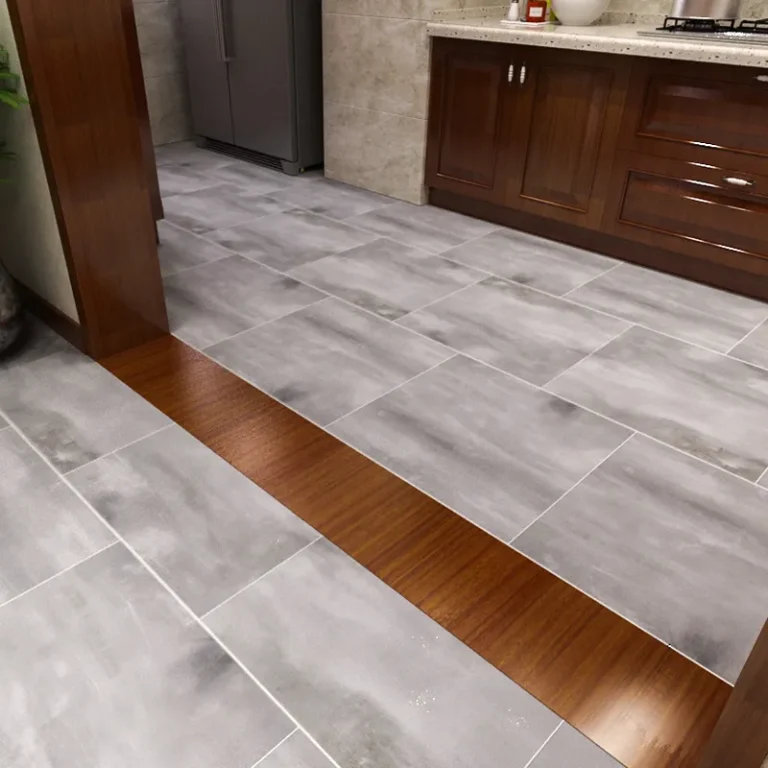
Many buyers searching for “PVC film vs PE film” are actually evaluating films for surface protection and finishing in furniture, construction, electronics, and home applications. This is where PVC has a strong advantage: it can be produced in a wide range of textures, patterns, and functional coatings with stable roll processing.
Examples of PVC solutions used beyond basic packaging include:
Why this matters for “packaging” decisions:
If your film must also act as a brand surface (texture, color, feel) or protect a finished decorative layer, PVC’s customization range can reduce secondary steps like lamination, coating, or additional protective wraps.
For global shipments, the “best film” is often the one that can be documented quickly and reliably. When evaluating suppliers, request clear compliance evidence (e.g., ISO management systems, REACH/RoHS where applicable, and application-specific requirements such as food-contact expectations if relevant).
PE is widely recycled in many markets, while PVC recycling streams vary significantly by region and application. However, sustainability is not only about end-of-life: if a film reduces damage, returns, and product waste, it can improve the overall footprint. The best approach is to align film selection with local recycling realities and your product’s failure costs.
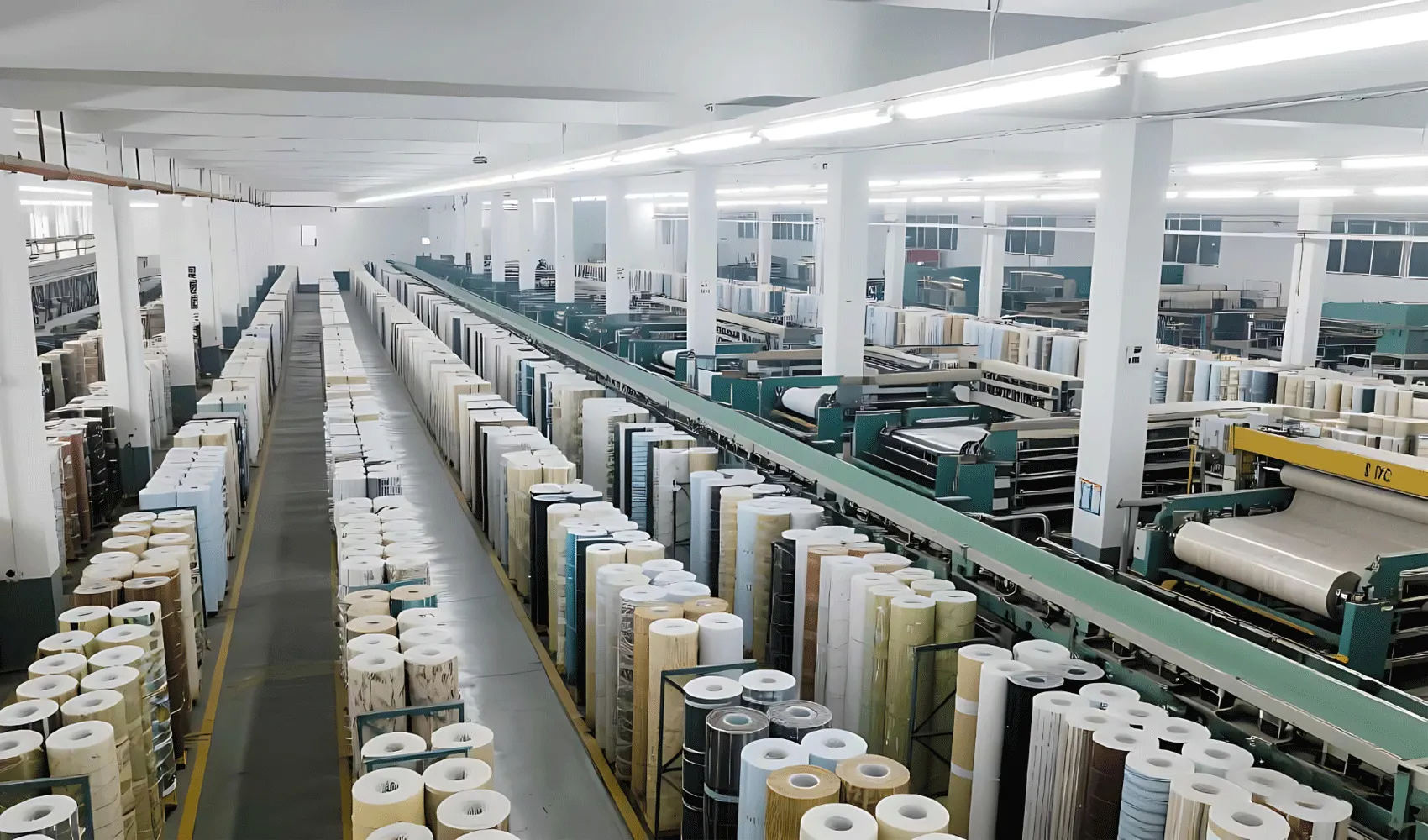
If you are sourcing PVC films for both packaging and surface applications, it can help to work with a manufacturer that controls calendering, printing, and slitting/packaging in-house to keep lead times stable and reduce variation. For more product options and technical context, you can also review the supplier’s knowledge base at
https://pvcfilmtec.com/knowledge/.
There isn’t a universal winner. PE film is often the best choice for high-volume, flexible packaging where sealing and toughness matter most and appearance is secondary. PVC film is often the better choice when packaging overlaps with surface performance—premium look, stable thickness, functional coatings, and decorative effects that must survive handling and time.
Decision shortcut:
Choose PE when you mainly need reliable, economical protection.
Choose PVC when you need protection plus a controlled surface (visual, tactile, functional).
It depends on the film type and thickness. PE (especially LLDPE) often excels in tear resistance and flexibility, while PVC can offer excellent dimensional stability and surface durability, particularly in thicker or coated decorative constructions.
PVC frequently performs better when high clarity, gloss control, and premium surface finish are required. PE can work well too, but haze and scuff visibility may be higher depending on grade.
PE is often cheaper for simple, high-volume packaging. PVC can be more cost-effective when it replaces extra processing steps (decorative layers, coatings, or added protection) and reduces cosmetic damage claims.
Yes. PVC films are commonly customized with surface treatments such as anti-static, anti-fog, glossy/matte, embossed textures, and self-adhesive options depending on the application requirements.
Start from your failure mode (tear, puncture, seal leak, scuffing, fogging, static) and validate with samples on your actual line and shipping route. If you need help matching film structure to use case, consult a supplier with in-house production control and clear compliance documentation.