Address
304 North Cardinal St.
Dorchester Center, MA 02124
Work Hours
Monday to Friday: 7AM - 7PM
Weekend: 10AM - 5PM
Address
304 North Cardinal St.
Dorchester Center, MA 02124
Work Hours
Monday to Friday: 7AM - 7PM
Weekend: 10AM - 5PM


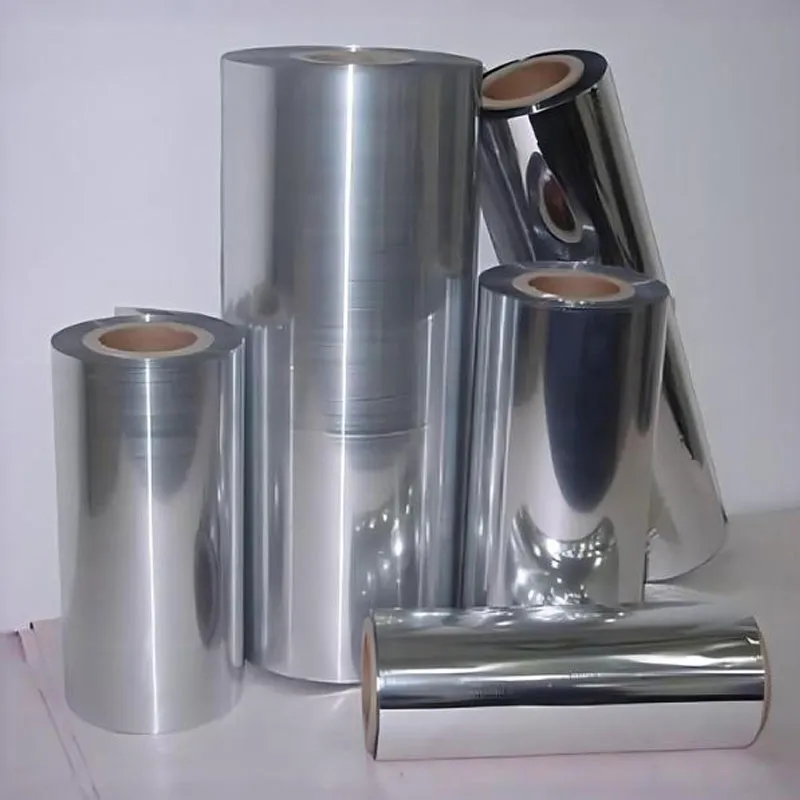
PVC industrial film production requires the right equipment to deliver consistent thickness, surface finish, and decorative effects. This guide covers common machine types, real-world applications, and practical selection tips to help manufacturers and procurement teams choose dependable PVC film equipment that matches production goals and budget.
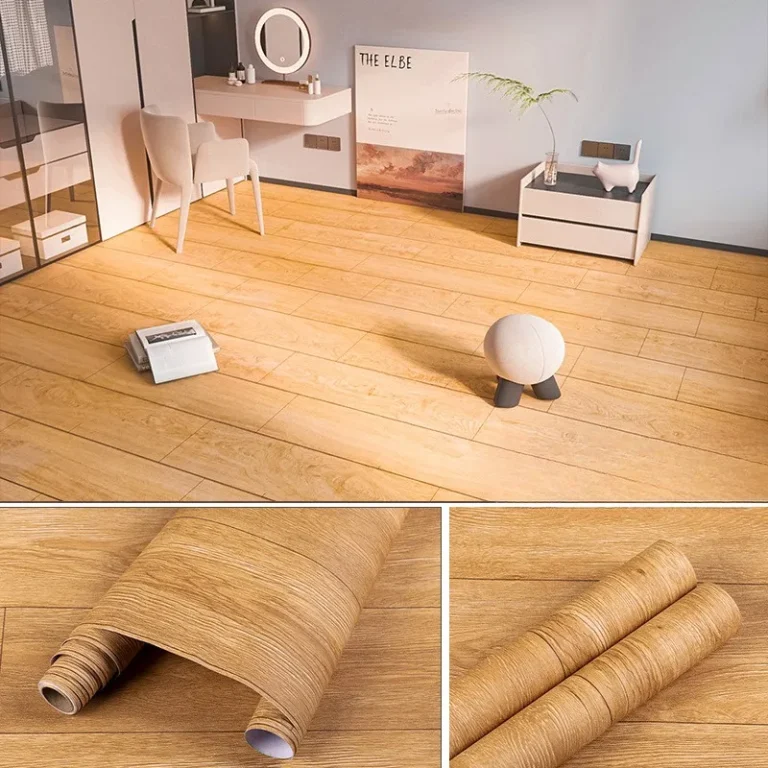
Calendering lines — core equipment for producing smooth, embossed, or textured PVC film with precise thickness control. Ideal for decorative films, wardrobe and furniture surfaces.
Extrusion coating & lamination machines — used to add protective layers, adhesives, or metalized surfaces to enhance durability and functionality.
Rotogravure & flexographic printing lines — high-speed, multi-color printing for patterns (wood grain, marble, etc.) used in flooring and furniture applications.
Slitting, rewinding & split-packaging lines — convert large rolls into finished retail or production rolls with accurate length and neat packaging.
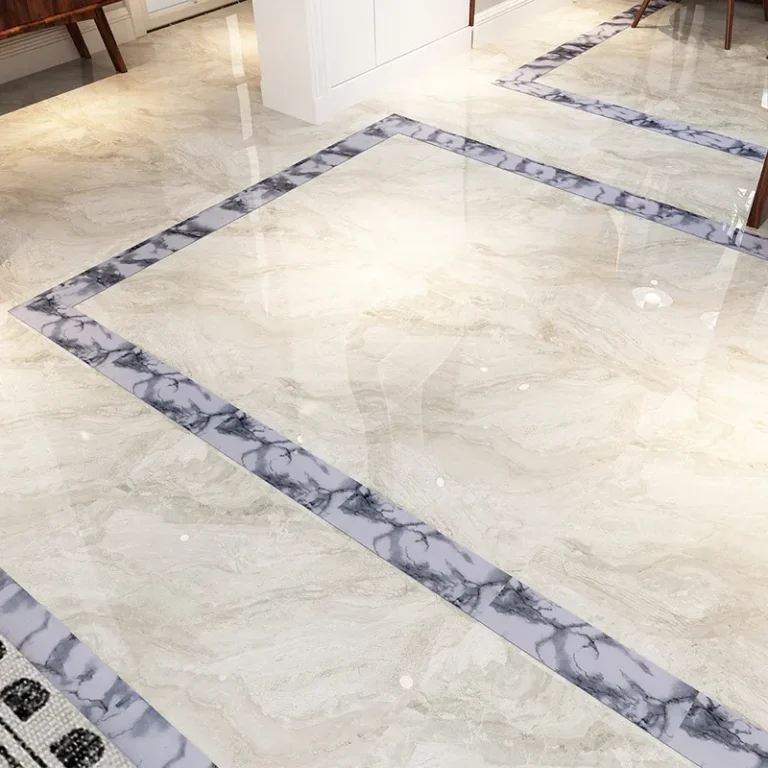
Embossing rollers & texturing units — create 3D effects and anti-slip surfaces for floors and skirting films.
Coating & surface treatment machines — anti-scratch, anti-static, UV-resistant, or oil-proof coatings to extend film performance.
Choosing the right combination of equipment determines product consistency, minimum scrap rate, and the ability to meet specific markets such as furniture laminates, flooring film, kitchen anti-oil film, and medical protective films.
PVC films are versatile and appear across many sectors:
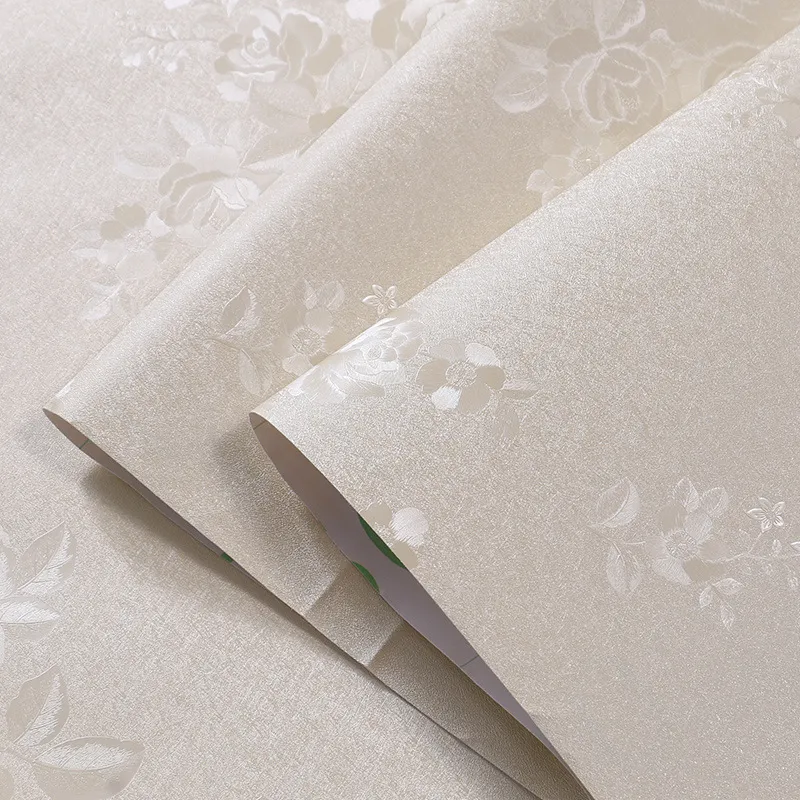
Selecting equipment is a balance of technical fit and economics. Compare these factors:
| Equipment Type | Typical Output | Best For |
|---|---|---|
| Calendering Line | 5–30 m/min | Decorative films, glossy & matte surfaces |
| Printing Line (Rotogravure) | 10–60 m/min | High-resolution multi-color patterns |
| Slitting & Rewinding | Varies by roll size | Retail roll finishing & packaging |
Proper commissioning, on-site training, and defined QC checkpoints (incoming raw material, in-line thickness measurement, finished-roll inspection) are essential. Ask suppliers for factory acceptance tests (FAT), documentation for process recipes, and a spare-parts plan to avoid unexpected downtime.
Pulivk manufactures a full in-house production chain—calendering, printing and split-packaging—that provides close quality control and flexible OEM options for buyers seeking reliable PVC film supply and tailored production support. Visit https://pvcfilmtec.com/ for product details and contact info.