Address
304 North Cardinal St.
Dorchester Center, MA 02124
Work Hours
Monday to Friday: 7AM - 7PM
Weekend: 10AM - 5PM
Address
304 North Cardinal St.
Dorchester Center, MA 02124
Work Hours
Monday to Friday: 7AM - 7PM
Weekend: 10AM - 5PM


In the dynamic world of material solutions, PVC stretch film stands out as a versatile and indispensable player. Far more than just a packaging material, this innovative film offers a unique combination of flexibility, strength, and clarity, making it a go-to choice for countless applications across diverse industries. From securing pallets in a warehouse to protecting delicate surfaces during a home renovation, its utility is nearly boundless.
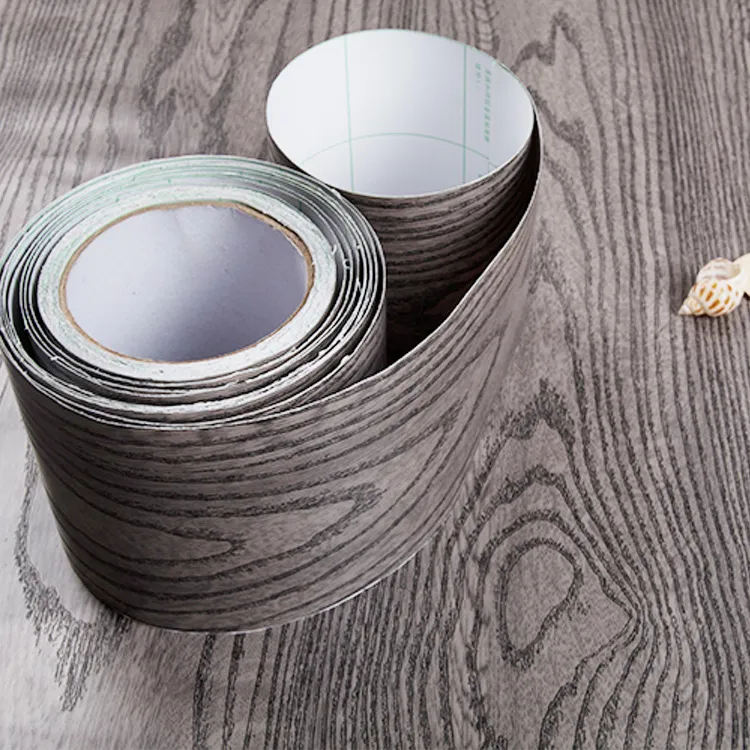
PVC (Polyvinyl Chloride) stretch film is a highly elastic, clear plastic film manufactured through a calendering process. Its primary characteristic is its ability to stretch and cling to itself without the need for adhesives, creating a tight, secure, and protective wrap. This self-adhering property, combined with excellent puncture and tear resistance, makes it fundamentally different from other wrapping materials. While often associated with industrial pallet wrapping, its uses extend far beyond, into realms like furniture protection, bundling, and even creative DIY projects.
The adaptability of PVC stretch film is its greatest strength. Its applications can be broadly categorized, but innovative uses are constantly emerging.
This is the most traditional and widespread use. PVC stretch film is the standard for unitizing pallet loads in warehouses, during transportation, and in distribution centers. It stabilizes boxes, cans, and irregularly shaped items, preventing load shifting and product damage. Its clarity is crucial for inventory management and security checks. For specialized needs, other calendered film variants might be used, but stretch film remains the king of pallet wrap.
In manufacturing, renovation, and moving, protecting surfaces is paramount. PVC stretch film is ideal for wrapping furniture, cabinets, appliances, and countertops. It guards against scratches, spills, paint splatter, and dust. Its cling property means it stays in place without leaving a sticky residue, unlike tapes. This makes it perfect for protecting glossy wardrobe surfaces or newly installed vinyl kitchen flooring during construction.
Beyond large pallets, stretch film is excellent for bundling smaller items together. This includes securing groups of pipes, tubes, or building materials. In retail, it’s used for multi-packing products like water bottles or canned goods, creating a stable sales unit. It’s also used in agriculture for baling hay and protecting silage.
The film’s properties lend themselves to niche applications. In arts and crafts, it can be used for laminating or creating textured effects. In temporary weatherproofing, it can seal windows or door frames. It’s even used in greenhouse covering and as a temporary protective layer for sensitive electronic components during assembly.
Choosing the right wrapping material impacts efficiency, cost, and safety. PVC stretch film delivers a compelling array of benefits.
Its high stretch ratio means you use less film per load, directly reducing material costs. The speed of application, especially with manual dispensers or automated machines, significantly boosts packaging throughput. The lightweight nature of the rolls also lowers shipping costs for the film itself compared to alternatives.
The film’s constant tension creates a compressive force that holds a load together as a single unit. This prevents items from shifting, falling, or being pilfered during handling and transit, reducing product loss and damage claims.
It forms a protective barrier against dust, dirt, moisture, and minor abrasions. For products sensitive to environmental factors, this preservation is critical. The film can also be UV-stabilized for outdoor storage.
Unlike strapping or tapes, stretch film doesn’t have sharp edges, making it safer for handlers. Modern PVC films are often manufactured to be more environmentally considerate, and some are recyclable. Their efficiency also reduces overall material waste.
It can be applied by hand with a simple dispenser, with a hand-held mechanical stretcher, or fully automated on a conveyor line. This scalability makes it suitable for operations of all sizes, from a small workshop to a massive automated warehouse.
Off-the-shelf stretch film works for many, but specific challenges often demand custom solutions. Leading manufacturers like Pulivk Film offer extensive customization to meet precise requirements, much like their approach to decorative films such as wood grain film or marble film.
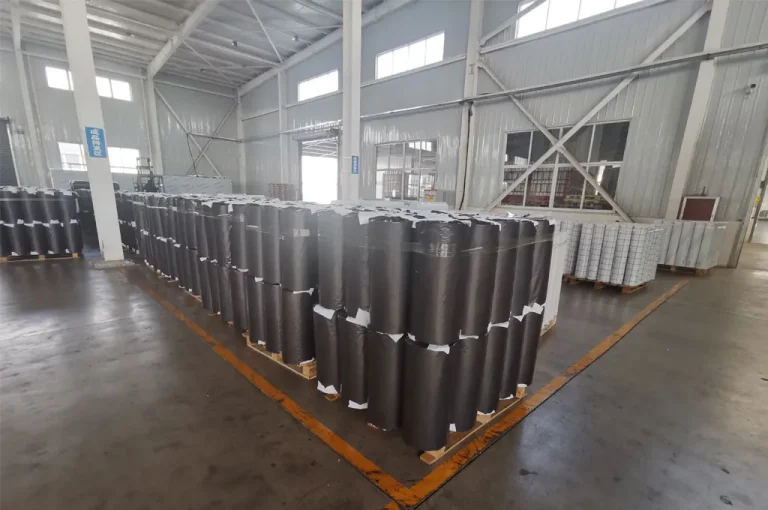
Working with a manufacturer that controls the entire production process—from raw material compounding and calendering to slitting and packaging—ensures superior quality and reliability in custom orders. This vertical integration, as practiced by Pulivk Film, allows for:
Consistent Quality: Tight control at every stage guarantees that every roll meets the exact same specifications.
Faster Turnaround: In-house production eliminates dependencies on multiple suppliers, speeding up sampling and production for custom jobs.
Cost-Effective Customization: Direct control over raw materials and processes often makes custom solutions more affordable.
Technical Collaboration: Direct access to production engineers facilitates problem-solving and innovation for unique application challenges.
Selecting the optimal film involves assessing your specific needs. Consider the weight and shape of your load, the storage environment (indoor/outdoor), your application method (hand vs. machine), and any special requirements like food contact or high humidity resistance. Consulting with an experienced supplier who offers a range of standard and customizable products is the best way to identify the most efficient and cost-effective solution for your operation.
PVC film is known for its superior clarity, higher cling, and better puncture resistance. It generally stretches more quietly and is often preferred for hand-wrapping applications. PE film is typically stronger, more cost-effective for machine use with high prestretch, and has better memory (ability to return to its original state). The choice depends on the specific application, equipment, and performance priorities.
Standard PVC stretch film is not designed for direct food contact. However, special food-grade formulations are available that comply with regulations like the FDA in the United States. If your application involves food, you must explicitly request and verify food-grade certification from your supplier.
Thickness choice depends on load weight, stability, and item sharpness. Light, uniform loads (like boxes of clothing) may only need 12-17 micron film. Heavy, unstable, or sharp-edged industrial loads require 20-35 micron or heavier film. Your supplier can provide guidance based on a detailed description of your typical loads.
Recyclability varies by region and the specific film formulation. Traditional PVC can be challenging to recycle in standard plastic streams. Many manufacturers now produce more environmentally friendly versions, including recyclable films. Always check with your supplier for the specific recycling properties and recommendations for their product.
Pre-stretched film is manufactured under tension and then relaxed onto the roll. For the end-user, it offers easier, lighter handling (less force required to stretch), reduced film usage (as it’s already stretched), and less operator fatigue. It can be a great efficiency booster for manual wrapping operations.