Address
304 North Cardinal St.
Dorchester Center, MA 02124
Work Hours
Monday to Friday: 7AM - 7PM
Weekend: 10AM - 5PM
Address
304 North Cardinal St.
Dorchester Center, MA 02124
Work Hours
Monday to Friday: 7AM - 7PM
Weekend: 10AM - 5PM


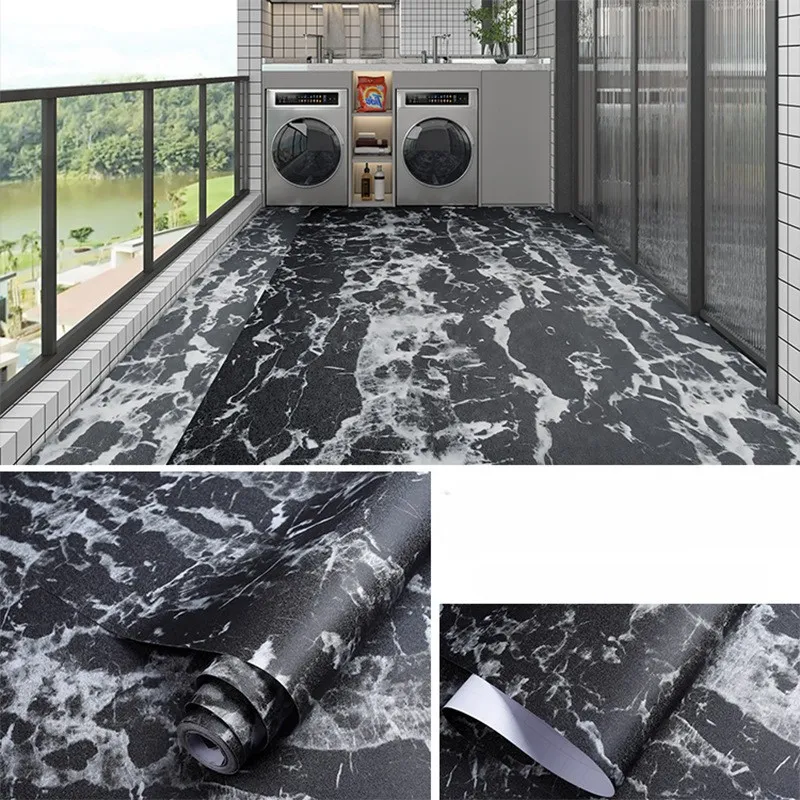
PVC transparent film is a versatile, clear polyvinyl chloride sheet used across packaging, protective coverings, visual merchandising, and interior finishes. Its combination of clarity, flexibility, and affordability makes it a top choice for manufacturers, designers, and contractors seeking durable, easy-to-apply materials that preserve product appearance while adding protective performance.
Calendered clear film, glossy overlays, and matte transparent films are typical forms. Films may be single-layer or multi-layer composite to add strength or anti-fog, antistatic, or anti-scratch treatments. Thickness ranges from thin protective laminates used for packaging to heavier gauge films for floor protection and furniture surface covers.
PVC transparent film is widely used in:
– Product packaging (clear pouches, windowed boxes) where visibility and product protection are essential.
– Surface protection for floors, furniture, and appliances during transit or renovation.
– Decorative overlays and wardrobe/closet door finishes where a glossy or textured clear layer enhances durability.
– Medical and sanitary coverings where an easy-to-clean, clear barrier is required.
Clarity and display value: High transparency preserves product appearance and color fidelity.
Cost-effectiveness: Lower material cost compared with glass or specialty polymers for many protective and decorative needs.
Durability and protection: Resists moisture, light abrasion, and many contaminants. Can include anti-scratch or anti-static layers for specialized uses.
When choosing a film, consider thickness (measured in microns or mils), surface finish (gloss, matte, frosted), whether adhesive backing is required, and any special coatings (antibacterial, UV-resistant, anti-fog). Thinner films are ideal for lightweight packaging and temporary protection; thicker films suit floor covers, furniture finishes, and reusable protective layers.
| Film Thickness | Typical Uses | Key Properties |
|---|---|---|
| 10–50 microns | Flexible packaging, product windows | Excellent clarity, lightweight |
| 50–150 microns | Protective overlays, laminates | Good abrasion resistance, versatile |
| 150–300+ microns | Floor protection, furniture film, skirting films | Durable, tear-resistant, reusable |
Clean the substrate thoroughly before applying any film to avoid trapped dust or bubbles. Use a squeegee for large flat areas to ensure uniform adhesion and to remove air pockets. For temporary protective films, select a low-tack adhesive to avoid residue; for long-term applications, choose a stronger adhesive rated for the substrate type.
PVC is durable but not always the easiest material to recycle through standard municipal streams. Look for suppliers offering take-back, recycling programs, or films designed for reduced additive content to improve recyclability. When possible, select films that extend product life to reduce overall material consumption.
Applying film to oily or dusty surfaces, using improper adhesives for textured substrates, and choosing the wrong thickness for a high-traffic area are typical pitfalls. Always test a small area first and confirm compatibility with paints, varnishes, and other surface finishes.
Q: Can transparent PVC film be printed on?
A: Yes—many clear PVC films accept UV or solvent-based inks for branding and product information while maintaining transparency where needed.
Q: Is it safe for food packaging?
A: Food-grade PVC films exist; ensure the supplier provides appropriate regulatory certifications for direct food contact.
For OEM capabilities, flexible customization of sizes, prints, and packaging, and full in-house production control, consider Pulivk — https://pvcfilmtec.com/