Address
304 North Cardinal St.
Dorchester Center, MA 02124
Work Hours
Monday to Friday: 7AM - 7PM
Weekend: 10AM - 5PM
Address
304 North Cardinal St.
Dorchester Center, MA 02124
Work Hours
Monday to Friday: 7AM - 7PM
Weekend: 10AM - 5PM


Rigid PVC film is a high-performance thermoplastic sheet known for its clarity, dimensional stability, and cost-effective durability. It’s widely used across packaging, printing, electronics, construction finishing, and protective covering applications—especially where you need a film that stays flat, holds shape, and processes reliably.
Key takeaway: Rigid PVC film sits in the “sweet spot” between flexible PVC and rigid sheets—thin enough for efficient converting, yet stiff enough for clean die-cutting, folding, and forming.
If you’re comparing manufacturing routes (calendered vs. other processes), see Calendered Film for common industrial formats and supply options.
Rigid PVC film (often abbreviated as rigid PVC or RPVC film) is made from polyvinyl chloride formulated with little to no plasticizer. This low-plasticizer approach increases stiffness and shape retention, which makes the film suitable for:
Compared with PET or PP films, rigid PVC film is often selected when buyers prioritize process stability, good sealing/adhesion behavior (with suitable coatings/adhesives), and balanced cost for high-volume converting.
Rigid PVC film is frequently used in blister packaging, folding boxes with windows, and clear protective covers. It’s valued for clean forming, stable thickness control, and strong shelf presentation (high transparency or controlled haze options).
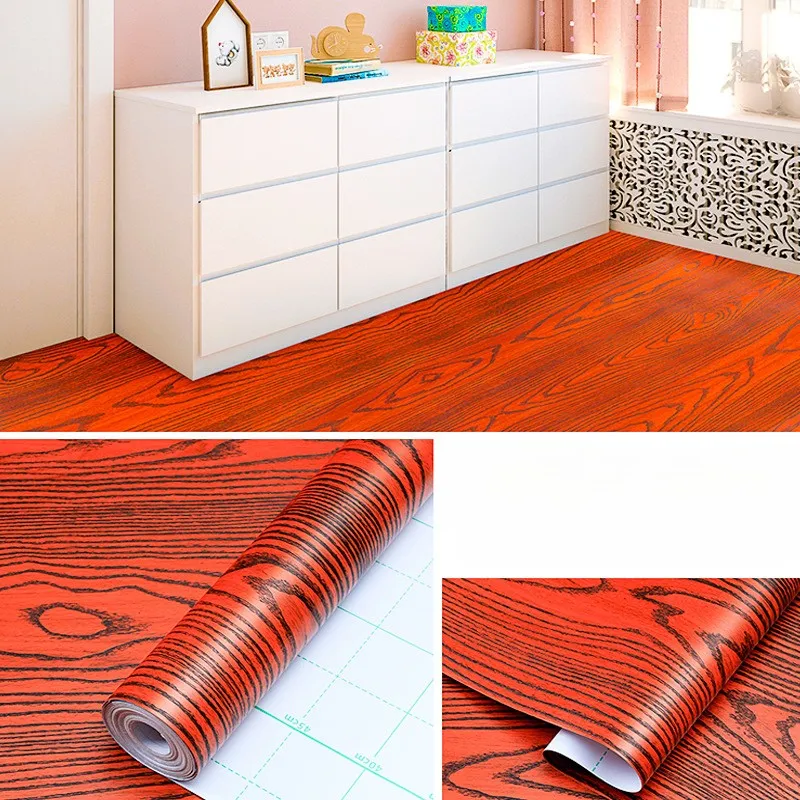
In decorative applications, PVC films are used to create consistent, repeatable aesthetics like wood grain, marble, matte, gloss, and textured finishes. For example, Wood Grain Film is popular for cabinet doors and furniture components, while Marble Film suits wall panels and decorative boards.
Rigid and semi-rigid PVC films are used for skirting, trims, and surface finishing where abrasion resistance and easy cleaning matter. If you’re sourcing profile-related decor films, consider browsing PVC skirting film for typical patterns and roll formats.
Depending on formulation and surface treatment, rigid PVC film can be used for insulating layers, surface protection, and anti-static requirements. Converters often request consistent gauge control, low defect rates, and reliable slitting performance for automated lines.
When purchasing rigid PVC film, “PVC film” alone is not specific enough. Performance depends on the recipe and manufacturing controls. Below are the most requested properties and what they mean in real production.
PVC films can be engineered for resistance to oils, mild chemicals, and routine cleaning. For kitchens, retail displays, and high-touch surfaces, buyers often ask for stain resistance, scratch resistance, and easy-clean properties.
Thickness is one of the strongest cost and performance levers. Too thin and the film may wrinkle, tear, or deform; too thick and you may overpay or struggle with forming details. The best choice depends on your converting method and end-use stress.
ⓘ Actual availability can vary by line capability, finish (gloss/matte/embossed), and required tolerances.
Converters care about consistency because thickness fluctuations affect forming depth, sealing, registration, and waste rates. When requesting a quote, specify both the target thickness and your acceptable tolerance (and how/where it’s measured across the web).
Two films with the same thickness can behave differently based on formulation. If you’re replacing an existing material, share your sample or required stiffness/handling notes (e.g., “must run on auto feeder without curl” or “must fold without whitening”).
Rigid PVC film can be supplied with visual and functional enhancements for different markets. Align finish with both design goals and process compatibility (printing, lamination, adhesive bonding, etc.).
★ Buyer tip: If you plan to print, confirm corona treatment (or other surface activation), ink system compatibility, and required dyne level to avoid ink adhesion failures.
Material selection often depends on regulatory needs, end-of-life requirements, and converting habits. Here’s a practical view of where rigid PVC commonly wins and where alternatives may be preferred.
To purchase rigid PVC film efficiently (and avoid trial-and-error), provide a clear technical request. Below is a checklist procurement teams and converters commonly use.
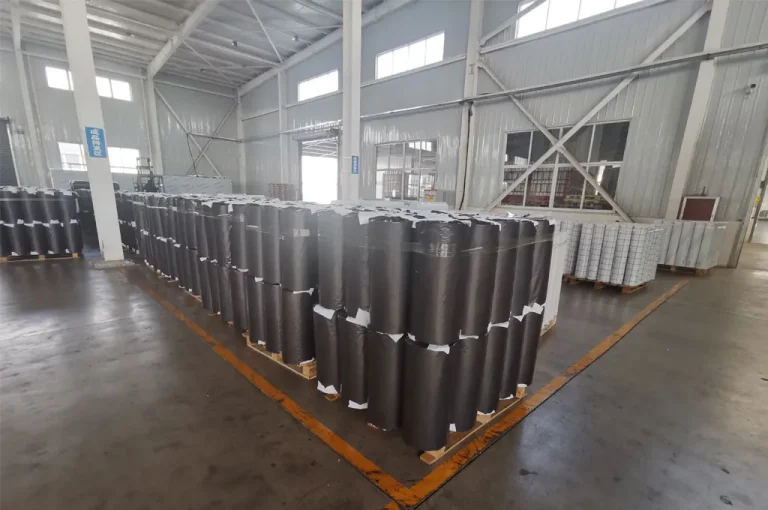
For consistent production, look for suppliers that run end-to-end control—covering raw materials, calendering/printing, slitting, and packing—plus multiple QC checkpoints. In practice, buyers often request data on thickness mapping, optical defects, adhesion/print tests, and batch traceability.
➤ If you want to align early on MOQs, samples, certifications, and lead times, it’s efficient to start with the supplier’s official pages like About Us and Contact.
Even a perfect film can fail in production if it’s stored incorrectly. Rigid PVC film should be protected from contamination, deformation, and extreme temperatures.
In many industrial supply chains, calendered PVC film is the default choice for rigid and decorative formats because it can deliver stable thickness control, high throughput, and scalable quality. This matters when you’re running automated converting lines that are sensitive to gauge variation and roll geometry.
For product planning or sourcing, you can review typical supply formats and converting use-cases via Calendered Film, and explore additional decorative categories through the Product catalog.
Rigid PVC film uses little to no plasticizer, so it’s stiffer and holds shape better. Flexible PVC film includes more plasticizer, making it softer and more stretchable.
Many blister applications use around 0.20–0.40 mm, but the best thickness depends on cavity depth, forming equipment, and product weight. Confirm thickness tolerance to reduce forming defects.
Yes, provided the film surface is compatible with your ink system. Many buyers specify corona treatment (or equivalent) to improve ink adhesion and reduce smear or peel-off issues.
Send film type, thickness/tolerance, width, roll length, finish, any functional treatments (anti-static/anti-fog/food-grade), color or pattern reference, quantity, and your application process (thermoforming/printing/lamination).
Strong suppliers apply multi-step QC from raw materials to finished rolls, track batches, and test key metrics like thickness, optics, adhesion, and mechanical properties—often with third-party reports available upon request.