Address
304 North Cardinal St.
Dorchester Center, MA 02124
Work Hours
Monday to Friday: 7AM - 7PM
Weekend: 10AM - 5PM
Address
304 North Cardinal St.
Dorchester Center, MA 02124
Work Hours
Monday to Friday: 7AM - 7PM
Weekend: 10AM - 5PM


Screen Tight Winterview Clear PVC Film is a practical, clear vinyl-style sheet used to block cold drafts, reduce heat loss, and protect indoor comfort during the winter season—without sacrificing daylight. Whether you’re sealing a porch, creating a temporary storm window, or improving a greenhouse-like entry area, this type of clear PVC film offers an affordable and fast way to upgrade insulation and weather protection.
“Winterview” is commonly used to describe a clear PVC film designed for seasonal enclosure. The film is typically supplied on a roll and can be fastened to frames, porch openings, screened structures, or custom panels to create a transparent weather shield. Because the material is PVC-based, it offers a useful balance of flexibility, toughness, and clarity—ideal for temporary weatherizing solutions.
Tip: If you’re comparing materials, clear PVC film differs from typical “shrink window kits” (thin shrink films) because PVC sheets can be more robust for larger openings like porches or screened rooms.
Air leaks are a major driver of winter discomfort. Clear PVC film helps create an extra barrier layer that reduces wind infiltration. When installed across screened openings or old storm-window gaps, it can help stabilize indoor temperatures and reduce the load on heating systems.
Unlike solid panels, clear film keeps the view and lets daylight through. For sunrooms and porches, this is a big deal: you maintain a bright, open feel while still gaining weather protection.
In rainy, snowy, or windy climates, clear PVC film helps shield furniture, flooring, and door thresholds from moisture carried by wind. It can also reduce the grime that collects when a screened area remains exposed throughout winter.
For many households, a seasonal enclosure makes more sense than a permanent renovation. Clear PVC film can be installed and later removed, stored, or reused depending on the system. The lower material cost also makes it popular for rental properties, temporary projects, or trial upgrades before committing to glass panels.
Beyond residential use, clear PVC film is also practical for light commercial needs—seasonal kiosks, outdoor waiting areas, temporary partitions, and maintenance zones—especially when you need a fast barrier that doesn’t block visibility.
Thickness affects how the film hangs, how it resists tearing, and how it performs in wind. Thicker films generally feel sturdier and may last longer in exposed areas. If your porch opening faces strong winds, consider a sturdier gauge or reinforce the edges with appropriate fasteners and framing.
Not all clear films look the same. A higher-clarity film keeps the view crisp—important for scenic porches or storefront-style enclosures. If you want privacy, a frosted option may be better, but Winterview-style products are typically selected specifically for clear visibility.
Low temperatures can make some plastics stiffer. Look for films known to stay workable in the cold, especially if you plan to install during late fall or winter. If the film is cold and rigid, let it acclimate indoors first before tensioning it.
For commercial or industrial environments, you may want additional properties like anti-static or anti-fog performance, or compliance with certain standards. Manufacturers of PVC films often offer variants (and OEM customization) for different performance goals. If you’re exploring broader PVC material options, calendered PVC film is a common base material used across many industries; you can review examples here: https://pvcfilmtec.com/product/calendered-film/.
Installation methods vary depending on whether you’re covering a window frame, porch opening, or a custom-built panel. The best approach is the one that keeps the film taut, seals air gaps, and allows safe removal later.
Measure the opening width and height at multiple points. Many openings are not perfectly square. Add extra material for fastening and tensioning—especially if the film will be captured in a track or wrapped behind battens.
Clean the frame where the film will contact. Dust and oils reduce adhesion and can cause gaps. If you’re using adhesive-backed sealing tapes, a clean, dry surface is essential.
Cut on a flat surface. For long straight cuts, use a straightedge. Clean cuts reduce the risk of tearing and help the edge seat evenly under strips or within a track.
Start by securing the top edge first. Then work down the sides, keeping even tension to reduce wrinkles. Finally secure the bottom edge. If your structure is large (porch panels), consider working with a second person to keep the sheet aligned.
✔ Keep tension even to avoid “waves” in the viewing area.
✔ Seal edges where drafts are strongest (corners and bottom rails are common culprits).
✔ If the film will be opened seasonally, plan a roll-up or removable panel solution instead of permanent fastening.
On windy days, edges and corners take the most strain. Reinforce with additional strips, proper hardware, or a more rigid framing approach. If your opening includes a doorway, consider a separate flap or magnetic closure approach so the main sheet stays undisturbed.
Use mild soap and water with a soft cloth. Avoid aggressive solvents and abrasive pads that can haze the surface. If the film becomes cloudy, it’s often due to micro-scratches—gentle cleaning helps preserve clarity.
For reusable setups, storing the film properly matters. Rolling is usually better than folding because folds can create permanent creases. Store in a clean, dry space away from direct sunlight and heat sources.
Replace the film if you see cracking, yellowing, or edge tearing that compromises tension or sealing. High wind exposure and frequent handling typically shorten lifespan compared to a fixed, sheltered installation.
| Option | Best for | Trade-offs |
|---|---|---|
| Clear PVC film | Porches, large openings, reusable seasonal enclosures | Needs good fastening; can scratch if cleaned harshly |
| Shrink window film kits | Quick indoor window sealing | Often single-season; less robust for big outdoor openings |
| Acrylic panels | Clear rigid inserts, semi-permanent upgrades | Higher cost; needs precise cutting and solid framing |
| Glass storm windows | Permanent solution and best longevity | Highest cost; typically requires professional installation |
You can typically find Winterview-style clear PVC film through home improvement retailers, hardware stores, porch enclosure suppliers, and online marketplaces. When comparing listings, confirm the roll width, thickness, and whether the film is intended for outdoor seasonal enclosures.
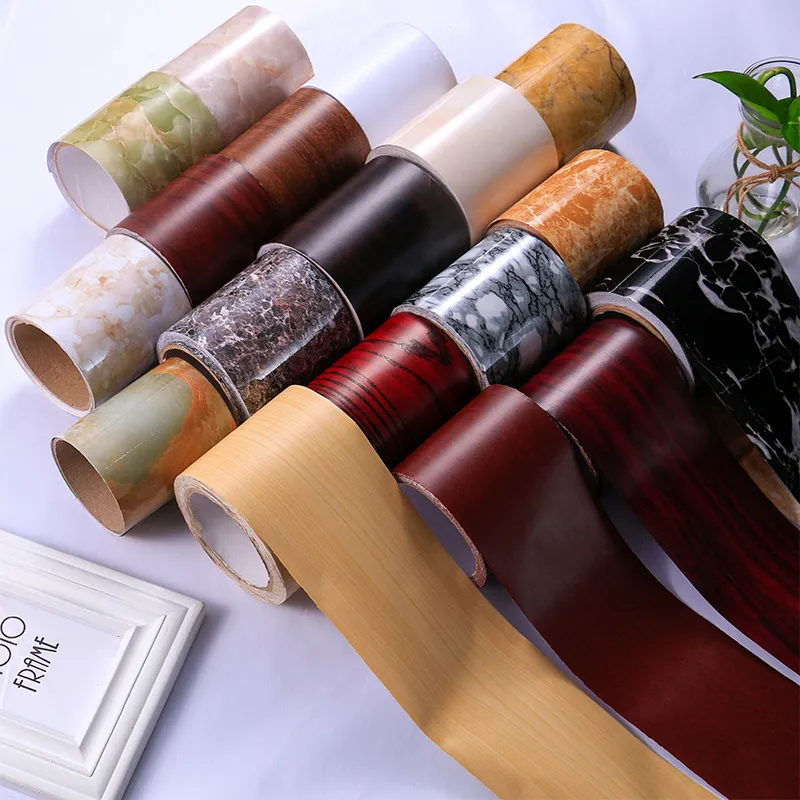
If you’re sourcing PVC film more broadly (for manufacturing, converting, or large-volume projects), it helps to work with a supplier that controls the full process—calendering, printing, and slitting—so quality stays consistent across batches. Pulivk Film, for example, focuses on PVC film R&D and production and supports OEM/ODM customization for thickness, width, surface treatments, and packaging. For related surface and decorative options, you can also explore:
Instead of one huge sheet across a porch, consider multiple panels. Modular sections are easier to tension evenly, replace individually if damaged, and open partially on sunny days.
If your porch leads directly into the house, a second barrier layer near the entry reduces the cold burst when the exterior door opens. This can be as simple as an additional short film panel or a temporary partition inside the porch area.
Condensation can occur when warm indoor air meets a cold film surface. Improving edge sealing, reducing indoor humidity, and allowing controlled ventilation (where appropriate) can help. For specialty environments, ask suppliers about optional surface treatments like anti-fog coatings.
Keep clear PVC film away from direct high-heat sources (heaters, grills, fire pits). Maintain safe clearances and follow your appliance manufacturer’s safety guidance.
Yes—when it’s installed tightly and the edges are sealed well, it blocks wind intrusion through screens and gaps. The biggest performance gains usually come from good edge sealing and strong corner reinforcement.
Install in moderate temperatures if possible, tension evenly from top to bottom, and avoid folding during storage (roll it instead). Clean only with soft cloths and mild cleaners to reduce haze from micro-scratches.
Many PVC films are made for indoor environments, and reputable suppliers can provide compliance information (such as REACH/RoHS and other test reports). If you have strict requirements, request documentation before purchasing.
It depends on opening size and wind exposure. Larger, wind-facing openings generally benefit from thicker, tougher film and a more secure fastening method to prevent flutter and edge tearing.
For larger projects or business needs, yes—many manufacturers offer OEM/ODM customization for thickness, width, roll length, printing, and optional coatings like anti-fog or anti-static. Use the supplier’s contact channel to request samples and a quotation.