Address
304 North Cardinal St.
Dorchester Center, MA 02124
Work Hours
Monday to Friday: 7AM - 7PM
Weekend: 10AM - 5PM
Address
304 North Cardinal St.
Dorchester Center, MA 02124
Work Hours
Monday to Friday: 7AM - 7PM
Weekend: 10AM - 5PM


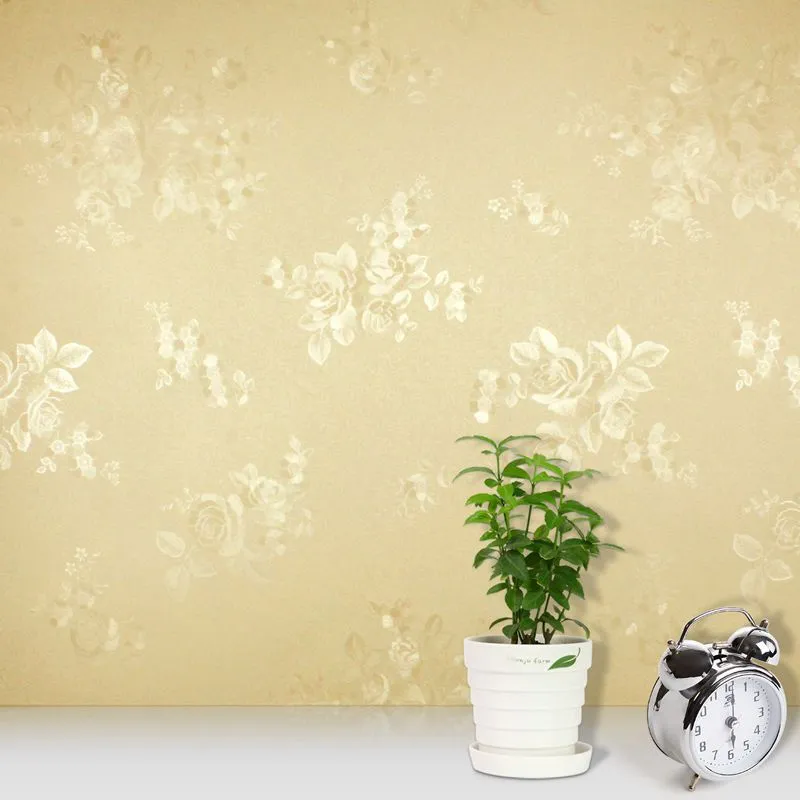
Semi rigid PVC film sits in the “sweet spot” between soft, highly flexible PVC and fully rigid plastic sheets. It offers a balanced feel—stable enough to keep shape, yet workable enough for forming, lamination, wrapping, and protective surface applications. For manufacturers and brand owners, it’s often the practical choice when you need clean appearance, durability, cost control, and consistent roll-to-roll processing.
Key takeaway:
Semi rigid PVC film is widely used for decorative surfaces, protective layers, and functional industrial films across furniture, building materials, electronics, advertising, medical/cleanroom packaging, and home products.
PVC film is a thin sheet made of polyvinyl chloride. “Semi rigid” describes a mid-range stiffness that helps the film stay flat, resist wrinkles, and maintain dimensional stability while still allowing processing like thermoforming, embossing, wrapping, and laminating.
In production, semi rigid PVC film is commonly made by calendering—a roll-based process that delivers uniform thickness, stable width, and smooth surfaces. If you’re evaluating calendered options, you can compare structures and finishes via
Calendered Film.
| Type | Feel / Handling | Typical Uses | Tradeoffs |
|---|---|---|---|
| Soft PVC film | Very flexible, drapes easily | Curtains, soft covers, some protective wraps | Lower stiffness, can crease, less “board feel” |
| Semi rigid PVC film | Stable, smooth, still formable | Decorative laminates, packaging, industrial protective film | Not as bendable as soft film; not as stiff as sheet |
| Rigid PVC sheet | Hard, board-like | Panels, signage substrates, structural covers | Heavier, less roll-friendly, less suitable for tight wrapping |
Semi rigid PVC film is widely used as a decorative layer for cabinet doors, wardrobe panels, tabletops, and office furniture. It can replicate wood, stone, metal, solid colors, or specialty textures while improving scratch resistance and cleaning convenience.
Popular choices include:
Wood Grain Film
for warm, natural aesthetics and
Glossy Wardrobe Film
for modern high-shine surfaces that look premium in retail showrooms.
✔ Practical advantage for furniture brands:
Semi rigid PVC film supports repeatable texture & color across batches, making it easier to keep a consistent look for series products.
In construction and renovation, semi rigid PVC film is often laminated onto boards or profiles to deliver decorative finishes with water resistance and easy cleaning. For skirting boards and trim areas that take frequent scuffs, dedicated products like
PVC skirting film
can help reduce maintenance while keeping a uniform design language throughout a room.
Semi rigid PVC film can serve as a protective film, insulation layer, or decorative wrap for appliance panels and electronic housings. Functional options such as anti-static treatments can be selected to reduce dust attraction and static discharge risks in sensitive environments.
For displays and exhibition builds, semi rigid PVC film is valued for its printability, smoothness, and dimensional stability—helping graphics look sharper and remain aligned. Embossed or special texture films can also be used to create tactile brand experiences without heavy substrates.
When used for protective packaging, semi rigid PVC film can be specified for cleanliness, stable thickness, and consistent roll quality. Depending on end-use, buyers may require compliance documents and third-party test reports for relevant regulations.
Semi rigid PVC film is commonly used in table covers, protective overlays, waterproof surface layers, and decorative household applications where easy wipe-clean performance is essential.
● Balanced stiffness:
Holds shape well, reduces wrinkling, and improves handling during lamination, slitting, and packing.
● Strong decorative performance:
Works with glossy, matte, embossed, pearlescent, brushed, and 3D textures for realistic design replication.
● Durable & easy to maintain:
Improved scratch resistance and stain resistance (depending on topcoat) supports long-term appearance.
● Efficient mass production:
Calendered roll processing enables stable thickness and consistent output for large-volume orders.
Thickness impacts stiffness, drape, surface durability, and forming behavior. For decorative wrapping, buyers often choose mid-range thicknesses to keep corners clean without cracking. For protective overlays or high-traffic surfaces, slightly thicker film may improve wear performance.
Confirm your laminator/wrapper requirements: usable width, edge trim allowance, roll diameter limits, and core specifications. A stable winding quality helps avoid telescoping and reduces downtime on automated lines.
Surface selection affects both aesthetics and practical use:
If you are sourcing tactile decorative films for furniture panels and wall applications, see
3D Silk Texture Film.
Match color consistency to your brand standard (Pantone or physical master sample). For wood grain and marble patterns, confirm repeat length, register accuracy, and batch-to-batch deviation tolerances—especially if multiple components (doors, panels, trims) must align in one project.
Depending on application, consider adding:
For export and regulated markets, request documentation aligned with your needs. Many buyers ask for ISO management system references and chemical compliance such as REACH, RoHS, and in specific cases FDA-related requirements. Also confirm the film is free of heavy metals and phthalates if that is a requirement for your end-use.
⚑ Buyer tip:
Ask for a recent test report based on your exact film structure (thickness + coating + printing) rather than a generic document for “PVC film.”
Start with where and how the film will be used: flat lamination, profile wrapping, vacuum pressing, thermoforming, or protective masking. Each process has its own preferences for stiffness, elongation, heat response, and surface friction.
To reduce back-and-forth during quotation, specify:
Evaluate samples on your actual line if possible. Focus on:
Export-ready film should be protected from dust and moisture. Many suppliers provide individual roll wrapping (e.g., PE film or kraft paper) plus clear specification labels so warehouse teams can verify lots quickly.
Minimum order quantity (MOQ) depends on structure, color, printing, and customization depth. For stable mass production, ensure the supplier supports batch traceability, thickness checks, and routine QC. If you are running multiple SKUs, discuss safety stock or production scheduling to reduce risk of line stoppages.
✔ What strong suppliers typically offer:
Calendering + printing + slitting/packing in one workflow, flexible OEM/ODM customization, and QC checkpoints from raw material to finished rolls.
Semi rigid PVC film is highly customizable, which is why it’s common in private-label furniture surfaces and building décor lines. Typical customization options include:
For brands building a coordinated interior set (walls + trims + furniture fronts), keeping consistent color and surface feel across multiple film types can significantly improve customer perception and reduce installation complaints.
Prioritize scratch-resistant topcoats, easy-clean performance, and stable color. If the environment includes oils or frequent wiping, confirm chemical resistance with your cleaning agents.
Choose patterns that minimize visible wear (matte or light texture), and focus on consistent batch supply so later repairs match. Skirting/trim films should emphasize scuff resistance and stable emboss.
Request anti-static options and confirm surface cleanliness and packaging controls. Stable winding and low defect rates can directly reduce line stops and yield loss.
PVC film is used for decorative surfaces, industrial protection, packaging, and functional layers (e.g., anti-static). Typical applications include furniture panels, doors, flooring-related surfaces, advertising displays, and clean packaging.
Yes. OEM/ODM customization commonly includes thickness, width, roll size, color/pattern, emboss texture, gloss level, coatings (anti-static/anti-fog), and packaging/labeling.
Glossy looks premium and bright but may show fingerprints more easily; matte looks softer and can hide minor scratches. For heavy-touch areas, matte or lightly textured finishes are often more forgiving.
It depends on your market and use case. Many buyers request ISO management references and chemical compliance such as REACH and RoHS; some applications may require FDA-related compliance evidence and third-party test reports.
Provide the film type, thickness, width, roll length, surface finish, color/pattern reference, quantity, target application/process, and any required functional coatings and compliance needs.