Address
304 North Cardinal St.
Dorchester Center, MA 02124
Work Hours
Monday to Friday: 7AM - 7PM
Weekend: 10AM - 5PM
Address
304 North Cardinal St.
Dorchester Center, MA 02124
Work Hours
Monday to Friday: 7AM - 7PM
Weekend: 10AM - 5PM


Soft PVC film, a versatile and widely used material, stands as a cornerstone in modern manufacturing and design. Its unique combination of flexibility, durability, and adaptability makes it an indispensable solution across countless industries. From enhancing the aesthetic appeal of furniture to providing critical protective barriers in medical settings, soft PVC film’s properties unlock a world of creative and functional applications.
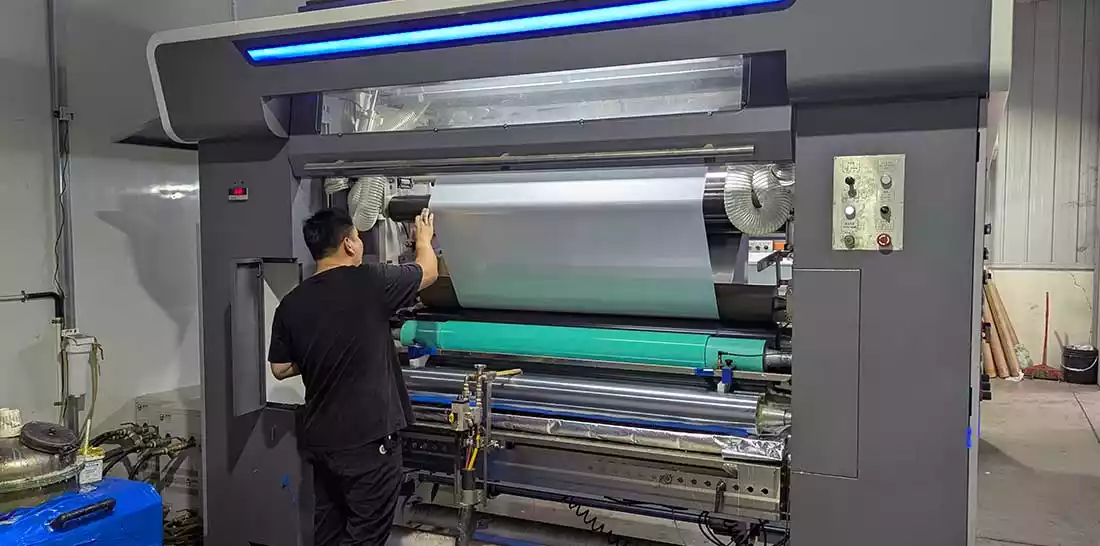
The popularity of soft PVC film is rooted in its distinct physical and chemical characteristics. Understanding these properties is key to selecting the right film for any project.
As the name implies, soft PVC film is prized for its pliable nature. This flexibility allows it to conform seamlessly to curved surfaces, edges, and complex shapes without cracking or peeling. The material often features a pleasant, soft-touch finish that enhances user experience in applications like wardrobe doors and electronic device coverings.
Despite its softness, this film is remarkably tough. It exhibits excellent resistance to abrasion, impact, and general wear and tear. Its inherent strength ensures longevity, even in high-traffic areas, making it a reliable choice for products that demand endurance.
Soft PVC film provides a robust barrier against moisture, oils, and many common chemicals. This makes it ideal for environments where spills and stains are frequent, such as kitchens and bathrooms. Specialized formulations can offer enhanced protection against specific agents.
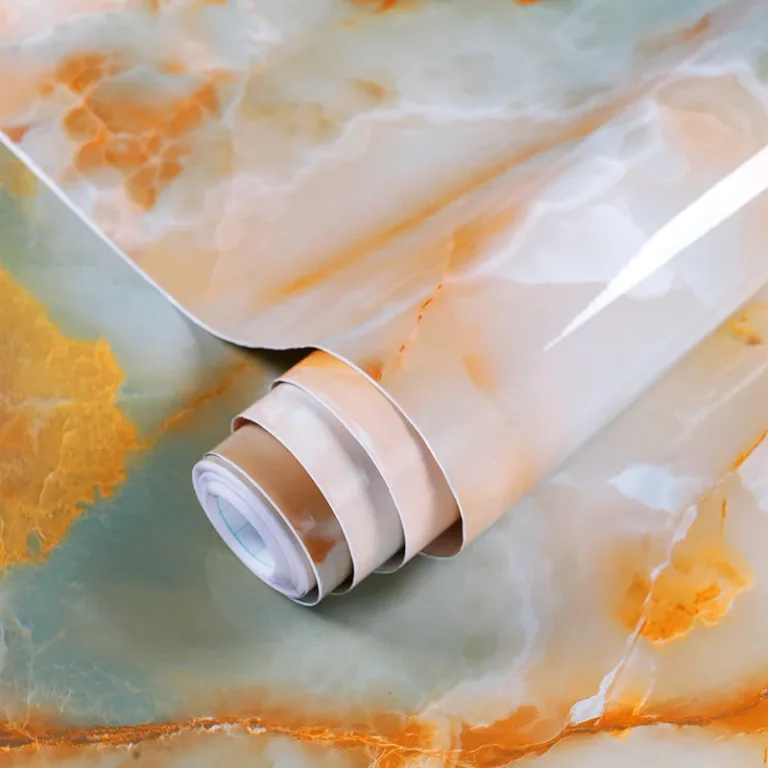
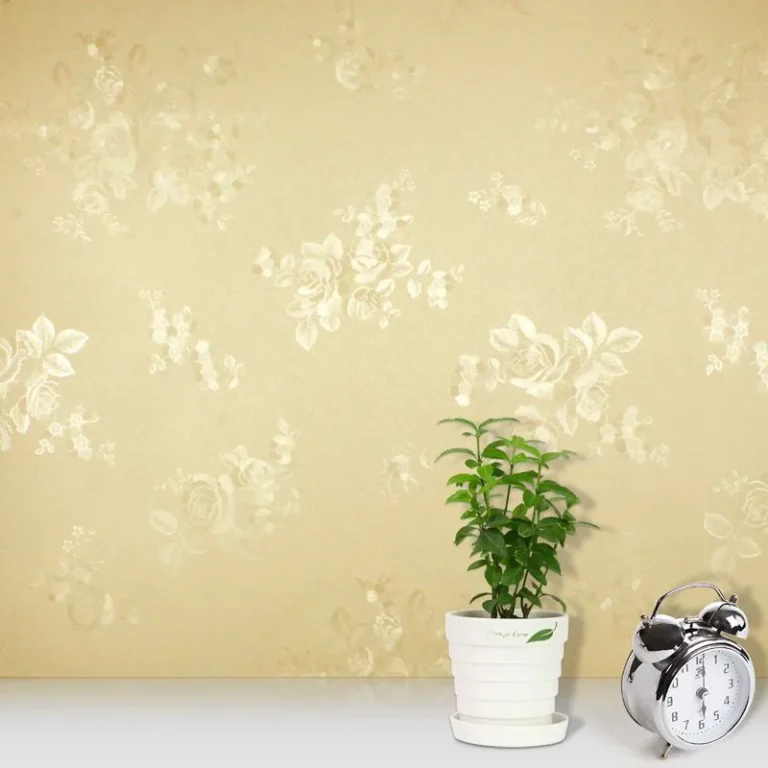
The surface of soft PVC film accepts printing and embossing exceptionally well. This enables the production of films with high-fidelity wood grains, realistic stone textures, metallic finishes, and vibrant custom graphics. The ability to mimic expensive materials like marble or brushed aluminum at a fraction of the cost is a significant advantage for designers and manufacturers.
✓ High Flexibility: Conforms to complex shapes.
✓ Exceptional Durability: Resists abrasion and impact.
✓ Moisture & Chemical Barrier: Protects against spills and stains.
✓ Superior Printability: Enables endless decorative possibilities.
The practical applications of soft PVC film are as varied as its properties. It serves as a key material in transforming both products and spaces.
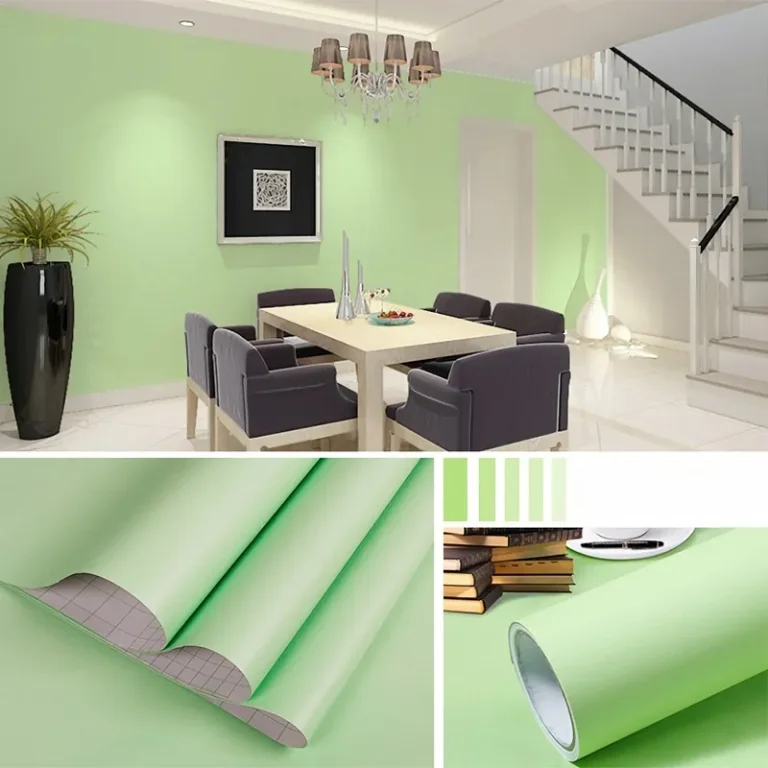
This is one of the largest application areas. Soft PVC film is laminated onto substrates like MDF or particle board to create stunning, cost-effective surfaces for kitchen cabinets, wardrobes, office furniture, and wall panels. It offers an extensive library of finishes, from classic wood grain films to contemporary solid colors and luxurious marble effects.
In construction, soft PVC film is used for decorative laminates on doors, window profiles, and skirting boards. It provides a durable, easy-to-clean surface that can withstand environmental exposure. Specialized films are also used for temporary protective coverings during construction or renovation.
The soft-touch feel and protective qualities make this film perfect for electronic device housings, control panels, and appliance exteriors. It can be engineered with anti-static or insulating properties to meet specific technical requirements.
Its excellent printability makes soft PVC film a favorite for high-quality signage, point-of-sale displays, and exhibition graphics. It can be printed with vibrant colors and intricate details, then easily applied to various backings.
Medical-grade soft PVC films are used in sterile packaging for devices, as protective barriers, and in cleanroom applications. In general packaging, it provides flexible, durable wrapping for consumer goods and industrial parts.
Off-the-shelf products meet many needs, but the true power of soft PVC film is realized through customization. Leading manufacturers like Pulivk Film offer comprehensive OEM/ODM services to bring unique concepts to life.
Virtually every aspect of the film can be tailored:
Thickness & Dimensions: Films can be produced in specific gauges and slit to exact widths and roll lengths to fit client machinery and reduce waste.
Color & Pattern Matching: Advanced digital and rotary printing technologies allow for perfect color matching to brand palettes or the creation of entirely new patterns and textures, including sophisticated 3D texture effects.
Surface Finish & Treatment: Beyond glossy or matte, films can be treated with anti-fog, anti-bacterial, UV-resistant, or food-contact-safe coatings to meet functional demands.
Adhesive Systems: Custom pressure-sensitive adhesives (PSA) can be applied for permanent, removable, or repositionable bonding to different surfaces.
Choosing a custom solution means you are not limited by standard market offerings. You gain a material that is engineered for your specific application, which can lead to improved product performance, streamlined installation processes, and a stronger competitive edge in the marketplace. It allows for innovation in design without being constrained by material limitations.
The ability to deliver consistent, high-quality custom solutions is heavily dependent on the manufacturer’s control over the production process. Companies with integrated production lines—handling calendering, printing, coating, and slitting in-house—offer significant benefits.
Quality Consistency: Full process control allows for stringent quality checks at every stage, from raw material intake to final packaging, ensuring every roll meets specifications.
Faster Lead Times: Eliminating reliance on multiple external suppliers streamlines production scheduling and reduces delays, enabling quicker turnaround on both samples and bulk orders.
Cost Efficiency: Vertical integration removes intermediary markups and allows for optimization of material usage, translating to better value for the customer.
Enhanced Collaboration: Working directly with a manufacturer’s engineering and design team fosters closer collaboration, ensuring the final product perfectly aligns with the client’s vision and functional requirements.
Soft PVC film offers superior flexibility, allowing it to wrap around sharp edges and curves without veneer cracking. It is generally more cost-effective than natural wood veneers or high-pressure laminates (HPL) for complex shapes. It also provides a wide range of realistic textures and is often lighter in weight.
Yes, when produced by reputable manufacturers compliant with international standards. High-quality soft PVC films for interior use are formulated to be free of heavy metals and phthalates (like DEHP). They often meet stringent certifications such as REACH, RoHS, and may have low VOC emissions, making them safe for indoor applications.
Patterns printed using advanced technologies like rotary gravure or digital printing with high-quality, wear-resistant inks are extremely durable. The print is typically protected by a clear wear layer. These films are designed to resist fading from UV exposure (for indoor use) and withstand scratching from everyday contact, maintaining their appearance for years.
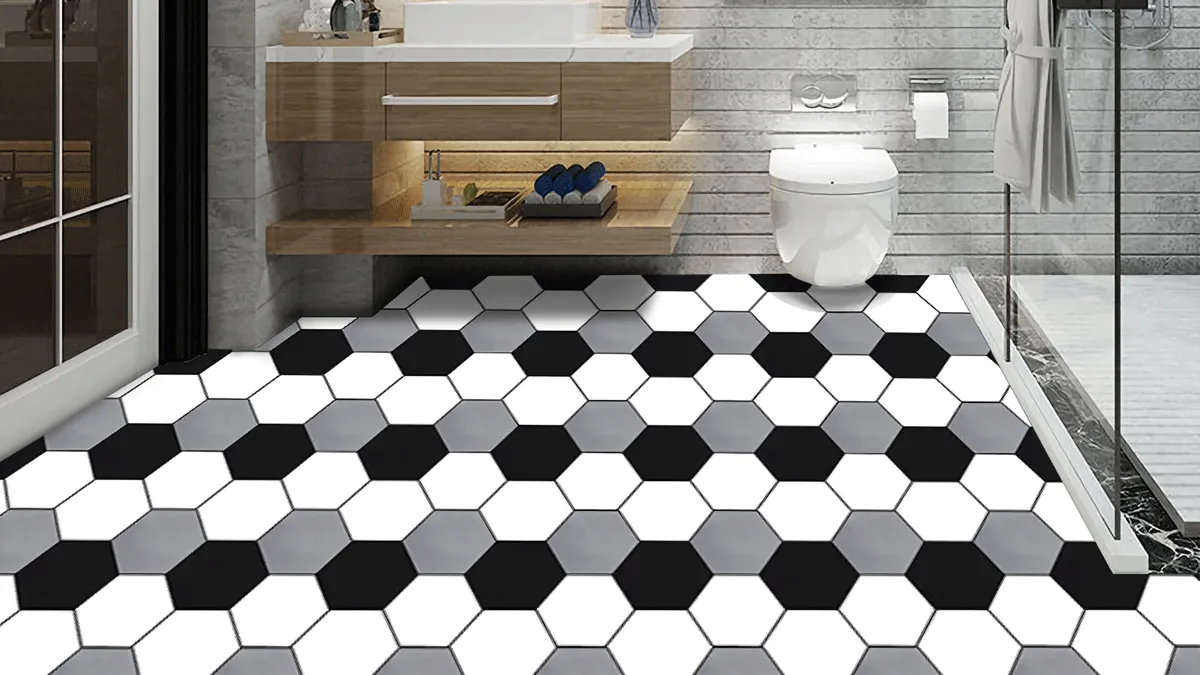
Yes, but it is crucial to select film specifically engineered for flooring. Flooring-grade PVC films have a much thicker wear layer, enhanced anti-slip properties, and superior resistance to indentation and staining. They are a key component in luxury vinyl tile (LVT) and sheet flooring.
Lead time varies based on the order size and complexity of customization. For standard custom colors/patterns, lead times can range from 4-6 weeks for bulk production. Sample production for approval is much faster, often within 1-2 weeks. Integrated manufacturers can often provide more reliable and expedited schedules compared to traders.