Address
304 North Cardinal St.
Dorchester Center, MA 02124
Work Hours
Monday to Friday: 7AM - 7PM
Weekend: 10AM - 5PM
Address
304 North Cardinal St.
Dorchester Center, MA 02124
Work Hours
Monday to Friday: 7AM - 7PM
Weekend: 10AM - 5PM


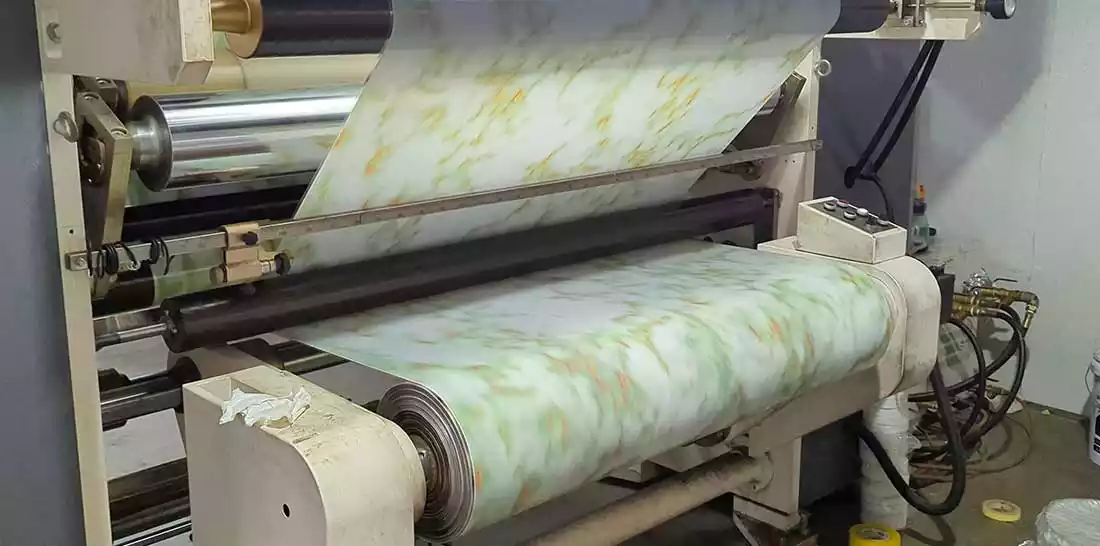
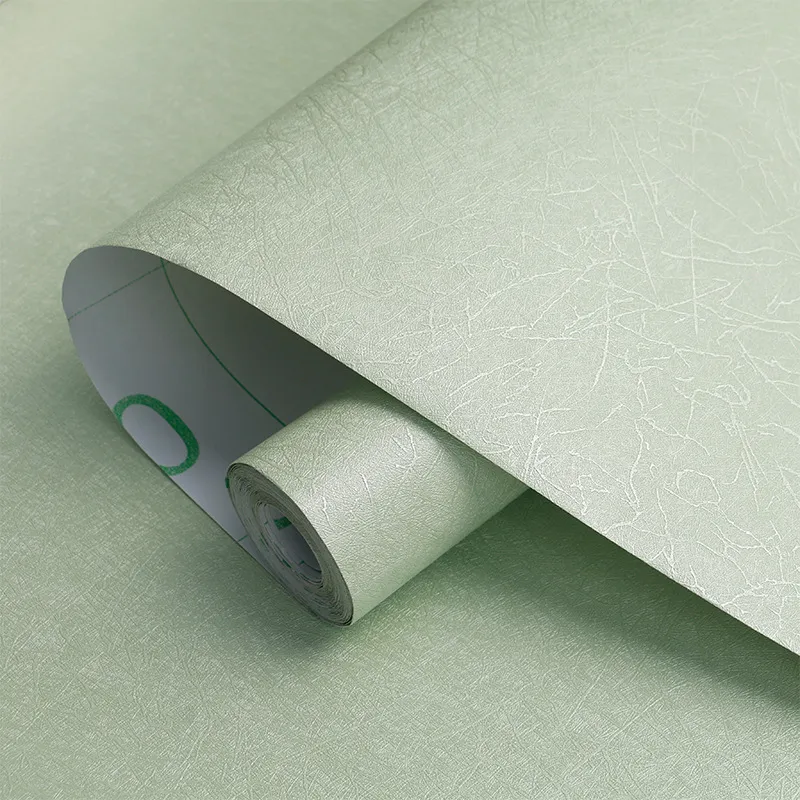
Thin gauge PVC film is a versatile, cost-efficient plastic sheet designed for surface protection, decorative finishing, and functional barriers across furniture, building materials, electronics, advertising, medical packaging, and home products. “Thin gauge” typically refers to PVC film in the lower thickness ranges where flexibility, conformability, and clean processing are priorities—without sacrificing the toughness and chemical resistance PVC is known for.
Key takeaway:
Choosing the right thin gauge PVC film is less about “the thinnest possible” and more about matching
thickness + surface finish + functional treatment
(anti-static, anti-fog, self-adhesive, etc.) to your real use conditions: abrasion, heat, humidity, cleaning chemicals, and expected service life.
PVC film is a thin sheet made of polyvinyl chloride. In thin gauges, it can be produced as calendered film (a common industrial route for consistent thickness and surface quality) and then enhanced through embossing, printing, lamination, or coatings. Depending on formulation, thin gauge PVC can be rigid-ish or highly flexible, crystal-clear or matte, glossy or textured, and may include functional additives for improved performance.
Many buyers choose thin gauge film because it delivers strong aesthetics and protection while staying easy to convert—cutting, slitting, thermoforming, wrapping, laminating, and applying to substrates like MDF, plywood, steel panels, foam boards, and plastics.
Thin gauge PVC film is widely used to upgrade the look and durability of cabinet doors, wardrobes, desks, and decorative panels. With finishes such as wood grain, marble, matte, glossy, soft-touch, and embossed textures, it can mimic premium materials while improving scratch resistance and cleanability.
Product examples include Wood Grain Film for natural-looking cabinetry and Marble Film for modern wall panels, counters, and decorative boards.
Decorative PVC films can be applied on wall boards, door skins, ceiling panels, and interior trims. Skirting and edge areas benefit from films that balance flexibility (to wrap profiles) with abrasion resistance (to withstand cleaning and daily impact).
For trim applications, PVC Skirting Film is often chosen for its conformability and consistent decorative finish.
Thin gauge PVC layers are used in flooring systems as wear layers, decorative layers, or protective films during production and transport. When engineered correctly, they help resist stains, scuffs, and moisture while keeping installation and maintenance straightforward.
For flooring-related needs, explore Floor Film options designed for consistent thickness, stable performance, and reliable converting.
Thin gauge PVC film can serve as a protective layer, insulation film, or functional surface with optional anti-static treatment. In appliance panels and consumer electronics, surface uniformity, clean release behavior, and controlled gloss are frequently requested.
Films are used as printable layers, protective overlays, or decorative wraps. Thin gauge helps reduce weight while still providing sufficient stiffness and visual effect. Matte or textured surfaces can lower glare under exhibition lights.
In controlled environments, buyers often focus on film cleanliness, consistency, and compliance requirements. Depending on the use case, PVC film can be formulated to support hygienic packaging, protective barriers, and stable sealing performance.
✔ Tip for spec sheets:
Ask suppliers for thickness tolerance, gloss level, surface energy (for printing/lamination),
and migration/compliance statements if the film may contact people or be used indoors long-term.
From high-gloss to matte, embossing to 3D textures, PVC film can replicate wood, stone, metal, fabric, and solid colors—helping brands maintain consistent design language at scale.
Thin gauge films are easier to slit, wrap, laminate, and conform around profiles, curves, and edges—often improving throughput and reducing material waste.
Properly specified PVC film helps protect substrates from humidity, splashes, household chemicals, and abrasion—especially important for kitchens, bathrooms, and high-touch furniture surfaces.
OEM/ODM options commonly include thickness, width, roll length, emboss patterns, color matching, printing, surface treatments (anti-static/anti-fog), and packaging—enabling consistent bulk supply.
Thickness affects nearly everything: durability, conformability, cost, handling on production lines, and final appearance. Below is a practical selection guide you can use when comparing options and requesting samples.
| Thickness | Best for | Pros | Watch-outs |
|---|---|---|---|
| 30–80 μm | Temporary protection, light packaging, lamination layers | Low cost, very flexible, easy to process | Lower puncture resistance; wrinkles if tension control is poor |
| 80–150 μm | Decorative lamination for panels, furniture wrap | Better tear resistance, stable printing/embossing | May need optimized adhesive/coating for strong bonding |
| 150–300 μm | High-use surfaces, wall panels, doors, skirting | More durable; easier to handle on lines; better “premium” feel | Higher cost; lower conformability on tight radii |
| 300–500 μm | Wear-heavy areas, protective overlays, higher rigidity needs | Strong impact resistance; excellent stability | Less flexible; may require heat/forming to wrap complex shapes |
A premium look is often driven by surface technology rather than thickness alone. Emboss depth, gloss control, color consistency, and tactile coatings (like soft-touch) can make an 80–150 μm film look and feel higher-end than a thicker but poorly finished alternative.
Use the checklist below to narrow the right thin gauge PVC film for your project. This approach reduces trial-and-error and helps suppliers recommend a stable, production-ready construction.
For many decorative and industrial applications, calendered PVC film is preferred due to stable thickness control, good surface uniformity, and consistent roll-to-roll performance. If your application requires reliable converting and scalable supply, start your evaluation with a proven calendered film platform.
You can review a typical option here: Calendered Film.
● Anti-static:
Useful for electronics packaging and dust-sensitive assembly areas. Helps reduce dust attraction and improves cleanliness perception on glossy surfaces.
● Anti-fog:
Often used where condensation is possible, such as bathroom-related products or protective covers in humid environments.
● Self-adhesive:
Speeds up installation and supports DIY-friendly applications; confirm adhesive type, peel strength, and residue behavior on your target substrate.
Thin gauge films are sensitive to consistency. Minor thickness variations can cause wrinkles, poor lamination, uneven gloss, or visible defects under light. When sourcing at scale, request documentation and a process overview that shows how the supplier controls quality from raw materials to finished rolls.
Before locking a bulk order, test at least 2–3 thicknesses and 2 surface finishes on your real production line.
Confirm winding quality, slit edge condition, printing/lamination adhesion, and appearance under your customer’s lighting conditions.
In many applications, thin gauge commonly falls around 30–300 μm (0.03–0.30 mm), though the “right” range depends on durability needs and converting method.
Not always. Thinner film conforms well but can be more prone to wrinkling, stretching, or puncture if tension control, substrate smoothness, or handling is not optimized.
Matte, embossed, and textured finishes generally hide fingerprints and micro-scratches better than high-gloss surfaces.
Yes, when formulated and tested appropriately. Confirm your needed standards (e.g., REACH/RoHS/FDA where applicable) and request supporting reports from the supplier.
Share film type/finish, thickness, width, roll length, color/pattern, functional treatments, target use, and quantity. This helps the supplier recommend the most stable structure and pricing.