Address
304 North Cardinal St.
Dorchester Center, MA 02124
Work Hours
Monday to Friday: 7AM - 7PM
Weekend: 10AM - 5PM
Address
304 North Cardinal St.
Dorchester Center, MA 02124
Work Hours
Monday to Friday: 7AM - 7PM
Weekend: 10AM - 5PM


PVC calendered film is one of the most versatile material platforms in modern manufacturing—used to add surface performance, aesthetics, and protection across furniture, construction, electronics, advertising, medical, and home-use products. Yet choosing among top PVC calendered film manufacturers isn’t only about price per roll. The right supplier should match your application’s performance needs, compliance requirements, lead-time expectations, and long-term consistency.

Key idea:
The “best manufacturer” is the one that can deliver stable batches, repeatable surface effects, and application-fit specifications—with transparent QC and export-ready logistics.
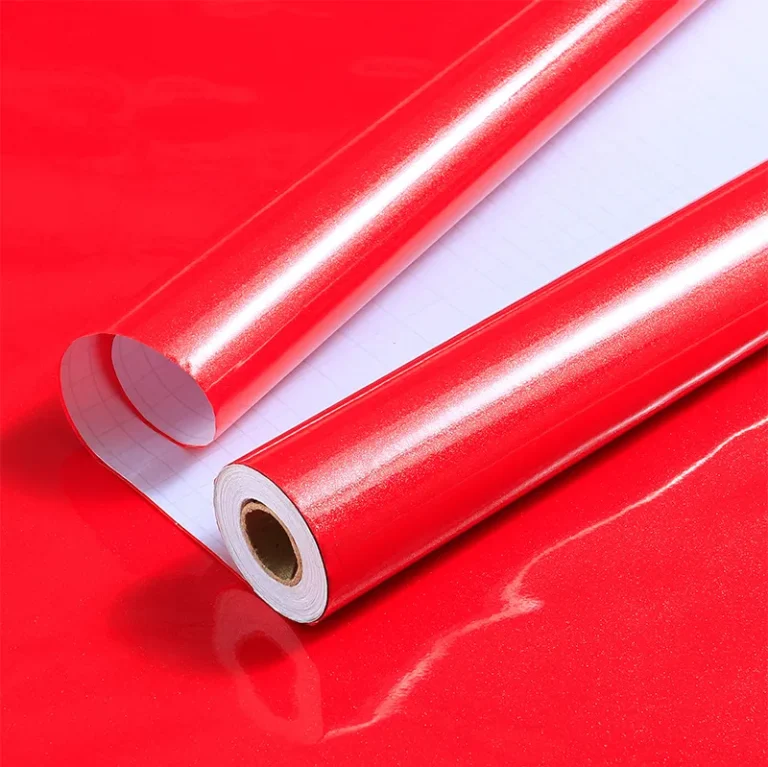
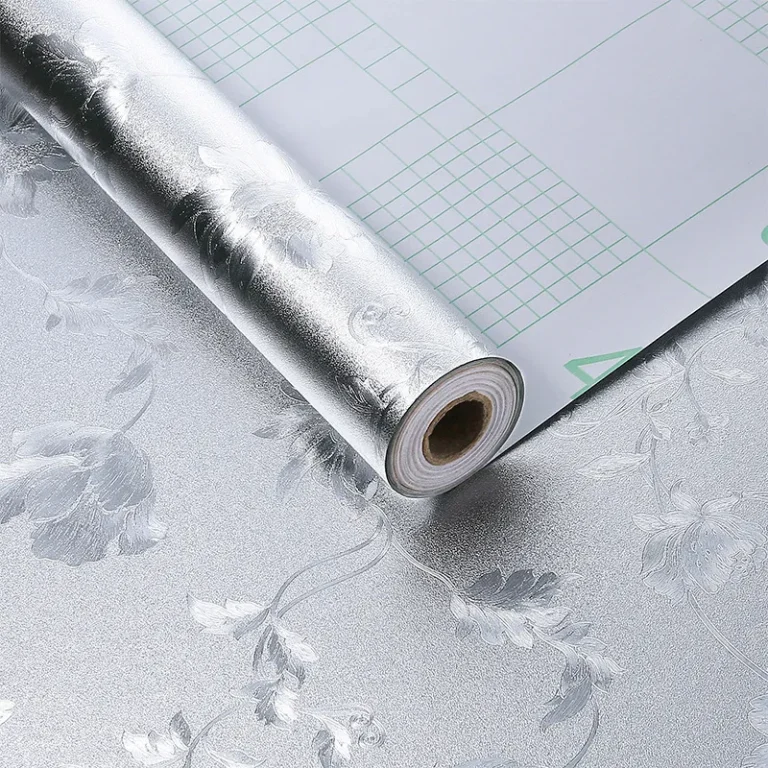
Calendered PVC film is produced by plasticizing PVC and forming it through precision rollers to achieve controlled thickness, smoothness, and mechanical properties. Compared with some alternative film-forming methods, calendering is especially valued for uniform thickness, scalable output, and the ability to create multiple surface options—glossy, matte, embossed, frosted, pearlescent, transparent, colored, anti-static, and self-adhesive variants.
✔ Typical benefits
Stable thickness control, smooth roll quality, strong output capacity, and broad decorative/functional options.
⚑ Common uses
Furniture wrap films, wall panels, flooring layers, appliance skins, advertising display surfaces, packaging and protection layers.
If you’re evaluating a supplier’s offering, start with whether they can provide a true Calendered Film portfolio with consistent thickness and surface repeatability, not just “PVC film” in a broad sense.
The strongest manufacturers share a few practical traits: vertically integrated production steps, measurable quality control, customization discipline, and export experience. Below are the markers that typically separate stable long-term suppliers from short-term options.
A top manufacturer usually runs a complete workflow: calendering lines for base film formation, printing/embossing or functional coating capabilities, then slitting and protective packaging. This matters because each transfer between subcontractors introduces variability in surface appearance, tension, winding hardness, and contamination risk.
What to ask:
“Which steps are done in-house?” and “Can you show batch traceability from raw material to finished rolls?”
Top suppliers don’t just list thickness ranges; they document tolerances and test methods. For many laminating and wrapping applications, even small deviations can cause:
wrinkles, poor bonding, uneven gloss, or installation failures.
✓ Thickness
Confirm min/avg/max and measurement points across the roll width.
✓ Width & slitting
Verify edge quality, slitting accuracy, and winding hardness standards.
✓ Surface
Define gloss level, emboss depth, haze/clarity, and scratch resistance targets.
A credible calendered film manufacturer should be able to show how they test what you actually care about—beyond a generic “QC passed” statement. Depending on your application, relevant checks may include thickness uniformity, tensile strength, tear resistance, adhesion behavior, optical clarity/haze, anti-static performance, and printing/emboss retention.
⚠ Practical tip:
Ask for batch-to-batch comparison samples (not only one “best roll”) to evaluate consistency.
Many buyers need custom thickness, widths, colors, patterns, and surface treatments such as anti-static, anti-fog, or food-grade coatings. Top manufacturers can customize while keeping stable control of:
formulation, color matching, print repeat accuracy, and packaging specification.
Application-first selection prevents common sourcing mistakes. Below are practical criteria to align your use case with the right manufacturing strengths.
For cabinets, doors, wall panels, and decorative boards, the key is repeatable aesthetics and durability: consistent gloss/matte, realistic textures (wood/stone/cloth), scratch resistance, and clean winding for efficient lamination.
If your designs require premium texture depth, suppliers that produce specialty surfaces (for example, 3D Silk Texture Film) can reduce downstream complaints about “flat” appearance under showroom lighting.
What matters most
Color/pattern stability, emboss repeatability, adhesion behavior during wrapping, and surface scratch resistance.
Ask for
Reference patterns, lighting-condition samples, and packaging that prevents dust marks and edge damage.
Construction and decoration projects tend to be schedule-driven, so supplier reliability and lead-time consistency often matter as much as the film itself. Also consider indoor safety: low odor, compliance documentation, and ink safety for interior environments.
If you’re sourcing for finishing components like baseboards, evaluate dedicated SKUs such as PVC skirting film to ensure abrasion resistance and installation-friendly handling.
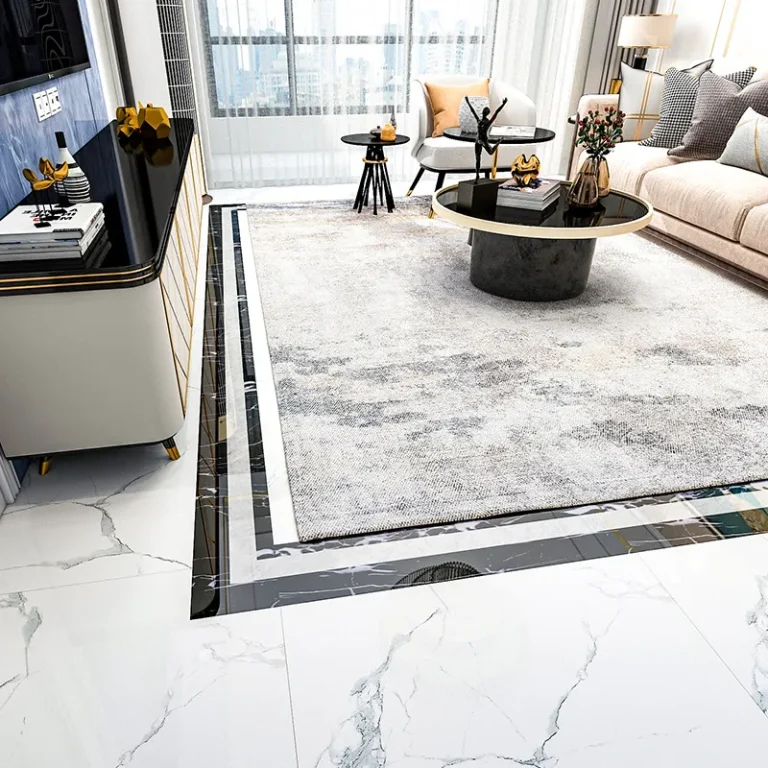
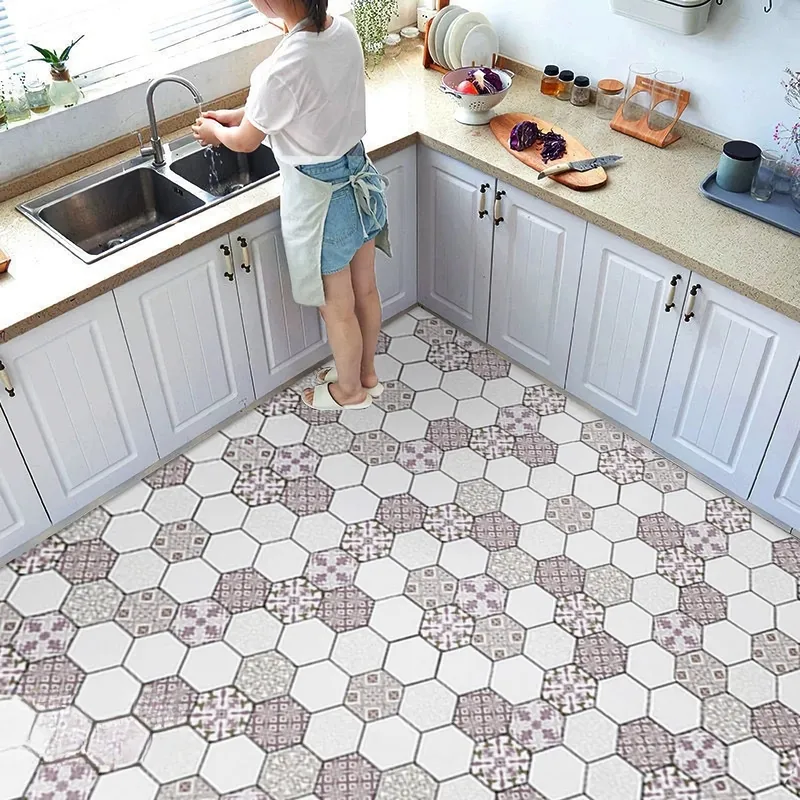
Flooring film structures typically require strong dimensional stability and wear-oriented performance. Supplier evaluation should include friction behavior, stain resistance, and stable roll flatness—especially if your process involves high-speed lamination.
For products positioned for residential and light commercial environments, review proven lines like Floor Film and confirm performance targets that match your warranty claims.
Electronics and appliance surfaces may require anti-static properties, insulation performance, controlled gloss, and clean appearance under strong lighting. Here, small cosmetic defects can cause high rejection rates, so prioritize suppliers with strict QC and strong batch traceability.
Display films often need stable color reproduction and good print compatibility. A manufacturer with integrated printing and slitting can reduce color drift and roll-to-roll mismatch—critical when multiple panels must look identical under venue lights.
For medical and cleanroom-related uses, align specifications with compliance and cleanliness expectations. Ask about material safety (heavy metal/phthalate controls), documentation readiness, and packaging methods that reduce contamination risk during transport and storage.
To compare PVC calendered film manufacturers fairly, use a scorecard approach. This makes negotiations faster and helps avoid switching costs caused by inconsistent film.
When evaluating manufacturers, a good benchmark is whether the supplier can manage the entire chain from raw materials to finished rolls. Pulivk Film is positioned as a full-process producer with calendering, printing, and slitting/packaging lines—covering transparent, frosted, embossed, pearlescent, colored, anti-static, self-adhesive films; plus single-layer and multi-layer structures, fabric-backed options, packaging and release films, and automotive-related wraps.
For decorative segments, Pulivk supplies wood grain, glossy, matte, cloth texture, stone texture, solid colors, waterproof options, metallic looks, brushed textures, embossed and 3D relief effects, and self-adhesive solutions. Rolls can be slit and packaged to requirement with dust-proof PE film or kraft paper wrapping and labeled specifications to improve shipping safety.
Strength #1: Process integration
In-house production helps maintain stable quality and reduces lead-time uncertainty.
Strength #2: OEM/ODM flexibility
Custom thickness, size, color, print/pattern, and packaging solutions for different industries.
Strength #3: Export experience
Familiarity with global shipping practices and protective packaging expectations.
These questions help you confirm whether a manufacturer can support your application beyond the first sample roll.
A reliable sourcing process typically follows four steps: (1) confirm specification sheet, (2) review lab/production samples, (3) approve a golden sample standard, and (4) verify first mass-production batch with incoming inspection. If your product relies on visual uniformity—such as furniture wrap or wall décor—create an approval method that includes different lighting angles and distances, because gloss and texture can look different under showroom LEDs versus daylight.
Pro move:
Ask the manufacturer to label rolls with lot numbers and keep a retention sample for each batch. This makes troubleshooting faster if a downstream issue occurs.
✘ Buying by price only
Low price can hide high scrap rates, unstable batches, and rework costs.
✘ Approving one perfect sample
Always evaluate multiple lots to confirm repeatability, not just one roll.
✘ Ignoring packaging
Dust, moisture, and edge damage can ruin a good film before it reaches your line.
It’s used for decorative and functional surfaces in furniture, construction finishes, flooring layers, electronics/appliances skins, advertising display materials, and protection/packaging applications—where consistent thickness and surface quality are required.
Yes. Many manufacturers support OEM/ODM customization including thickness, width, roll size, color/pattern, embossing, and functional coatings like anti-static or anti-fog, plus tailored packaging.
Request multiple batch samples, confirm tolerance sheets and test methods, approve a golden sample standard, and verify the first bulk lot with incoming inspection focused on thickness, surface defects, and application-specific performance.
Common requirements include ISO management systems and material compliance such as REACH and RoHS; some applications may also require FDA-related documentation. Ask the supplier for third-party test reports relevant to your market.
Provide film type, thickness, width, roll length, color/pattern or reference sample, surface finish (gloss/matte/emboss), functional requirements (e.g., anti-static), quantity, and destination/Incoterms so the supplier can quote correctly.