Address
304 North Cardinal St.
Dorchester Center, MA 02124
Work Hours
Monday to Friday: 7AM - 7PM
Weekend: 10AM - 5PM
Address
304 North Cardinal St.
Dorchester Center, MA 02124
Work Hours
Monday to Friday: 7AM - 7PM
Weekend: 10AM - 5PM


In the ever-evolving world of interior design and furniture manufacturing, materials that offer both aesthetic appeal and functional durability are in constant demand. Among these, PVC decorative film has emerged as a transformative solution, revolutionizing how surfaces are finished and protected. This versatile material allows designers, manufacturers, and even DIY enthusiasts to achieve high-end looks for furniture, cabinetry, and interior elements without the high cost and complexity of traditional materials like solid wood, stone, or metal. Its application spans from creating sleek, modern kitchen cabinets to refurbishing classic office furniture, offering an unparalleled blend of creativity and practicality.
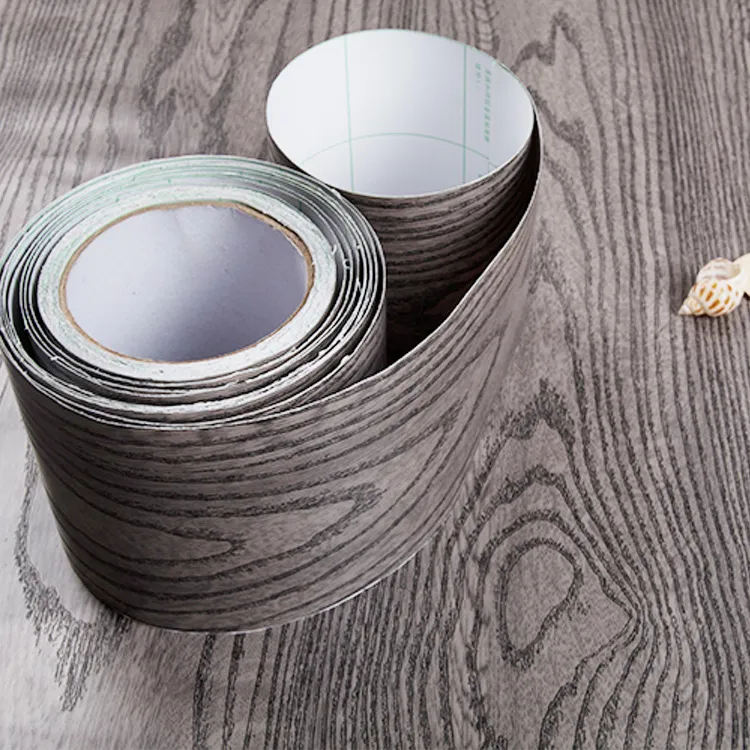
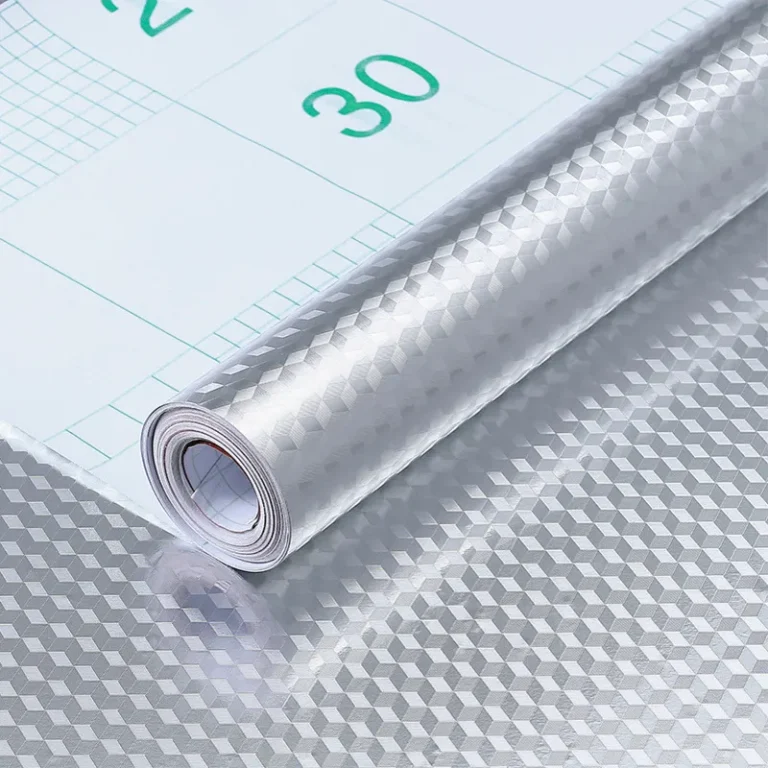
PVC, or Polyvinyl Chloride, decorative film is a thin, flexible sheet manufactured through processes like calendering. This process involves pressing molten PVC compound between heavy rollers to create a film of consistent thickness and smoothness. The base film is then treated with primers, printed with intricate designs—such as realistic wood grains or elegant stone patterns—and finished with protective wear layers.
The core properties that make PVC film indispensable include:
Exceptional Durability: Resistant to scratches, impacts, and daily wear, ensuring furniture maintains its new appearance for years.
Moisture & Chemical Resistance: Ideal for kitchens and bathrooms, as it repels water, stains, and common household cleaners.
Lightweight & Flexible: Easy to handle, cut, and apply to various substrates like MDF, particleboard, or metal, simplifying manufacturing and renovation projects.
Cost-Effectiveness: Provides the luxurious appearance of natural materials at a fraction of the cost, making high-design accessible.
The diversity of PVC films available today allows for precise matching to any design vision. Here’s a breakdown of the primary types:
Perhaps the most popular category, these films replicate the rich textures and grains of oak, walnut, maple, and exotic woods. Advanced printing technology captures the depth and variation of real wood, offering a warm, natural aesthetic for cabinets, wardrobes, and tables. For a classic look, explore our Wood Grain Film collection.
For contemporary, minimalist, or bold color-blocking designs, solid color films are essential. They come in a vast spectrum of shades and are available in high-gloss, satin, or matte finishes. A glossy finish creates a reflective, sleek surface that enhances light, while a matte finish offers a soft, modern touch that resists fingerprints.
Bring the timeless elegance of natural stone into any space without the weight or expense. These films mimic the veining and cool touch of marble, granite, or slate. They are perfect for creating statement furniture pieces, accent walls, or kitchen islands. Discover the luxury of Marble Film for sophisticated interiors.
Moving beyond visual print, these films incorporate physical texture. This includes options like linen, canvas, leather, or sophisticated 3D silk textures. The tactile surface adds a dimension of luxury and authenticity, making furniture not only beautiful to look at but also interesting to touch.
This category meets specific performance needs:
• Anti-fingerprint & Soft-Touch Films: Provide a velvety feel and resist smudges, ideal for high-touch areas.
• Anti-static Films: Crucial for electronic furniture or cleanroom environments.
• Fire-Retardant Films: Enhance safety in commercial and public space furniture.
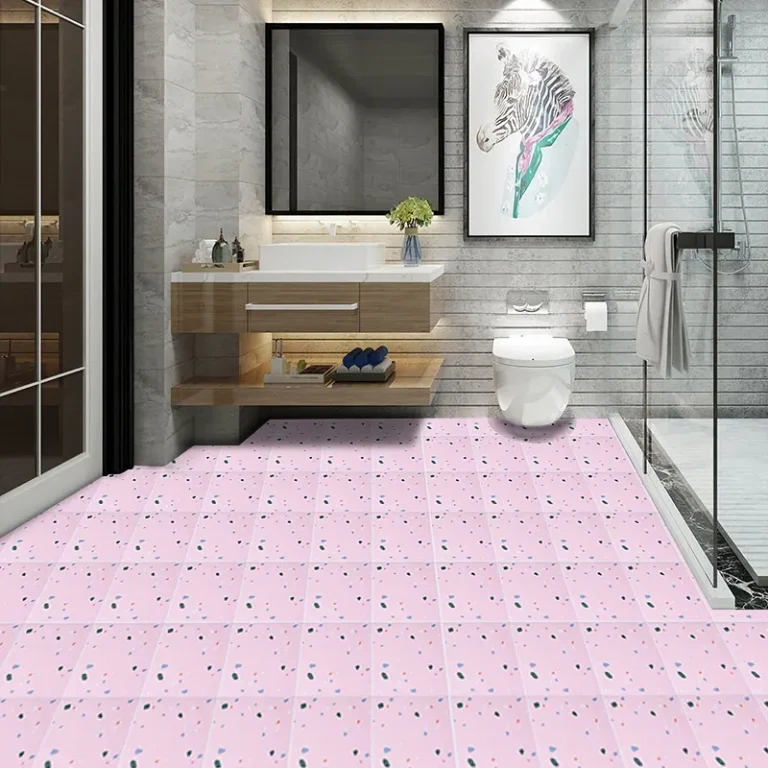
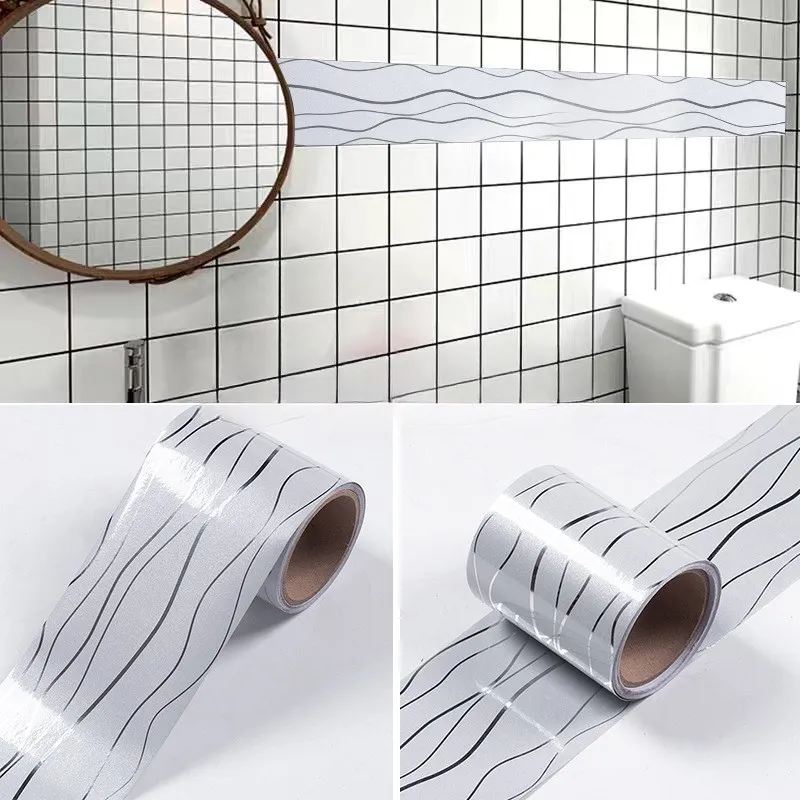
• Flooring & Skirting Films: Durable films designed for horizontal surfaces and trim, like PVC skirting film.
The application of PVC film is limited only by imagination. Its primary uses in furniture and interior design include:
Kitchen & Bathroom Cabinetry: PVC film is the go-to material for modern cabinet doors and panels. Its moisture resistance makes it perfect for these humid environments. Films with specific properties, like easy-clean surfaces, are highly valued here.
Office & Commercial Furniture: From desks and partitions to reception counters, PVC film offers the durability needed for high-traffic commercial spaces while allowing for brand-consistent color schemes and professional aesthetics.
Wardrobes & Storage Systems: Used for sliding door panels, external surfaces, and internal drawers, providing a seamless and stylish look for bedroom and storage furniture.
Decorative Paneling & Wall Coverings: Applied to walls, ceilings, and room dividers, PVC film can create feature walls or entire themed environments quickly and with easy maintenance.
Furniture Refacing & DIY Projects: A cost-effective way to update old tables, shelves, or cabinets without replacement. Self-adhesive variants make this accessible for home crafters.
The shift towards PVC decorative film is driven by a compelling array of benefits for manufacturers, designers, and end-users.
With an endless library of colors, patterns, and textures, PVC film breaks design barriers. It enables the creation of cohesive interior themes and the realization of unique, custom looks that would be prohibitively expensive with natural materials.
Furniture finished with high-quality PVC film stands up to the rigors of daily life. The wear layer protects against UV fading, minor abrasions, and chemical stains. Cleaning is as simple as wiping with a damp cloth, ensuring long-lasting beauty with minimal effort.
For manufacturers, PVC film streamlines production. It is easier and faster to laminate onto substrates compared to painting or veneering, reducing labor time and cost. The material itself is more affordable than solid wood or stone, lowering the bill of materials without sacrificing visual quality.
Modern PVC films can be a responsible choice. Many manufacturers, including Pulivk, use phthalate-free compounds and eco-solvent inks. By mimicking rare woods or stones, PVC film helps reduce the demand for harvesting natural resources. Furthermore, its longevity means furniture doesn’t need to be replaced as often, reducing waste.
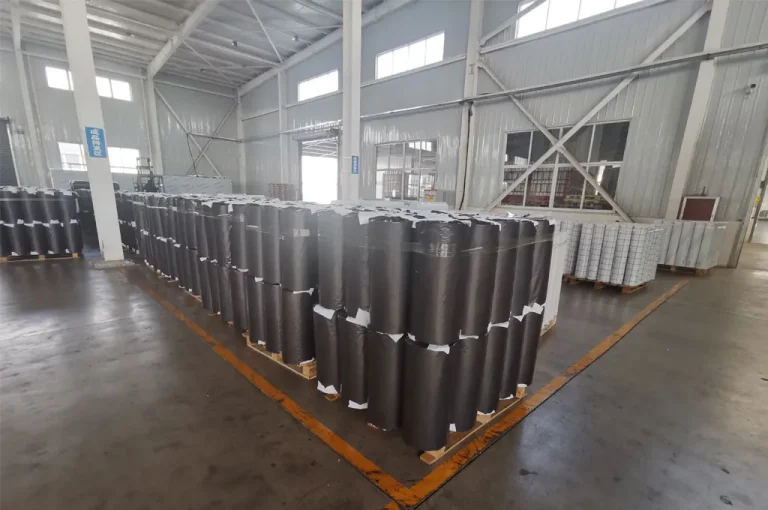
Selecting a reliable supplier is crucial to accessing these benefits. A partner like Pulivk brings significant advantages. With complete in-house control over the calendering, printing, and finishing processes, quality is ensured at every step. Their strong OEM/ODM capability means you are not limited to standard catalogs—films can be customized for thickness, width, adhesive type, and specific performance coatings to meet exact project requirements.
Their global export experience ensures understanding of diverse market needs and reliable logistics. Most importantly, a commitment to stringent quality control and compliance with international standards (like REACH, RoHS) guarantees that the films are safe, consistent, and perform as expected.
While the terms are often used interchangeably, “PVC film” typically refers to the broader category of polyvinyl chloride sheets used in industrial lamination. “Vinyl wrap” often describes thinner, self-adhesive films used in automotive or DIY contexts. For furniture, thicker, heat-activated laminating films are standard for permanent, professional results.
Yes, to a degree. The flexibility of PVC film allows it to conform to gentle curves and rounded edges during the lamination process (using heat and pressure). However, very tight radii or complex 3D shapes may require specialized films or application techniques. Consulting with your supplier about your specific design is recommended.
High-quality furniture-grade PVC films include UV stabilizers to resist fading from sunlight. They also have a moderate heat resistance, but it is not advised to place very hot items (like pots straight from the stove) directly on the surface, as extreme heat can cause damage. Using trivets or pads is a simple preventative measure.
Reputable manufacturers produce films that are safe for indoor use. Look for suppliers who comply with strict international standards (e.g., REACH, RoHS, CARB) that regulate volatile organic compounds (VOCs) and prohibit harmful substances like heavy metals and phthalates. Many films are also recyclable, contributing to a circular economy.
Key specification points include: Thickness (directly related to durability), Surface Finish (gloss, matte, textured), Adhesive Type (heat-activated for permanent bond or pressure-sensitive for flexibility), and Performance Properties (scratch resistance, anti-bacterial, etc.). Providing samples or swatches to your supplier ensures the final product matches your design intent perfectly.