Address
304 North Cardinal St.
Dorchester Center, MA 02124
Work Hours
Monday to Friday: 7AM - 7PM
Weekend: 10AM - 5PM
Address
304 North Cardinal St.
Dorchester Center, MA 02124
Work Hours
Monday to Friday: 7AM - 7PM
Weekend: 10AM - 5PM



In the world of modern construction and home improvement, maintaining clean and efficient air duct systems is paramount for indoor air quality and energy efficiency. A key component in achieving this is a specialized material known as air duct film. This guide delves into what air duct film is, explores its various types and uses, and provides a practical installation guide.
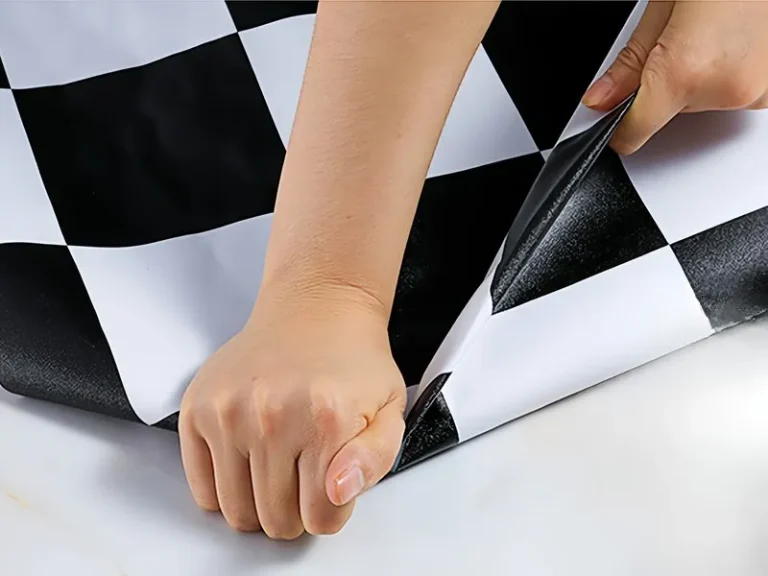
Air duct film, often a type of PVC or vinyl-based material, is a flexible sheeting used to line, seal, or protect heating, ventilation, and air conditioning (HVAC) ductwork. Its primary function is to create an airtight and insulated barrier within duct systems. This prevents air leakage, which can account for significant energy loss, and stops contaminants like dust, mold spores, and insulation fibers from entering the airflow. By ensuring that conditioned air travels directly from your HVAC unit to the vents without escaping, air duct film enhances system efficiency, reduces utility costs, and improves overall indoor air quality. The material is typically durable, resistant to temperature fluctuations, and designed to last the lifetime of the ductwork.
The advantages of properly installed air duct film are substantial for both residential and commercial properties:
✔ Energy Efficiency: Sealing leaks can improve HVAC efficiency by up to 20%, directly lowering heating and cooling bills.
✔ Improved Air Quality: Acts as a barrier against dust, pollen, and microbial growth within ducts, promoting a healthier indoor environment.
✔ Enhanced Comfort: Eliminates hot or cold spots in rooms by ensuring consistent airflow and temperature.
✔ Noise Reduction: Can help dampen the sound of air moving through the metal ducts.
✔ System Longevity: Reduces strain on the HVAC unit by preventing it from overworking to compensate for lost air.
Air duct films come in various formulations and strengths to suit different applications. The choice often depends on the duct material, location, and specific performance requirements.
This is a crucial type, especially for ducts running through unconditioned spaces like attics or crawl spaces. It is designed with a very low permeance rating to prevent moisture from condensing on the cool duct surface and being absorbed into the insulation. This is vital for preventing mold growth and maintaining the insulating value of the duct wrap.
Used on the interior of sheet metal ducts, this film is part of a composite insulation board. It provides a smooth surface for airflow, which reduces friction and noise, while also offering thermal and acoustic insulation. The film facing is typically coated to resist microbial growth.
This film is used on the exterior of ducts. It is a flexible, foil-scrim-kraft (FSK) or all-service jacket (ASJ) laminate that encapsulates fiberglass insulation. The film layer protects the insulation from damage, contains fibers, and provides the vapor barrier. For a robust external solution, materials like heavy-duty floor film share similar durability principles.
While not a sheeting, specialized adhesive tapes and mastic-impregnated fabrics are film-based products used exclusively for sealing joints and seams in ductwork. They create a flexible, permanent seal that outperforms standard duct tape, which can degrade over time.
The application of air duct film spans across several critical areas in building management:
For related interior applications that also prioritize hygiene and easy cleaning, consider products like kitchen anti-oil film for backsplashes or bathroom floor stickers.
Proper installation is key to the film’s performance. Here’s a general guide for installing external duct wrap film (always consult manufacturer instructions first).
– Duct wrap insulation (pre-faced with film)
– Utility knife and sharp blades
– Straightedge or tape measure
– Staple gun (for wooden substrates) or mechanical fasteners
– UL-181 approved foil tape or mastic sealant
– Gloves, safety glasses, and a dust mask
Step 1: Preparation. Ensure the duct surface is clean, dry, and free of grease or dust. Measure the duct length and circumference to cut your insulation accurately.
Step 2: Cutting the Wrap. Lay the duct wrap flat, film side down. Measure and cut sections, allowing for a slight overlap (typically 1-2 inches) at seams.
Step 3: Wrapping the Duct. Wrap the insulation around the duct with the film vapor barrier facing outwards. Pull it snug to avoid compression of the insulation but not so tight that it tears.
Step 4: Sealing the Longitudinal Seam. Overlap the edges along the length of the duct. Seal this long seam permanently with UL-181 approved foil tape or mastic. Press firmly to ensure a complete bond.
Step 5: Sealing End Joints and Transverse Seams. Where two sections of wrap meet, butt the ends together tightly. Seal this circumferential joint with tape or mastic, wrapping the tape at least 2 inches onto each section. Also seal all connections at plenums, boots, and registers.
Step 6: Securing. On wooden framing, you may staple through the foil tab (if present) every 8-12 inches. Avoid compressing the insulation. For metal, use mechanical fasteners as specified.
Step 7: Final Inspection. Check for any gaps, tears, or unsealed seams. All connections must be airtight. The film surface should be continuous and intact.
• Wear PPE: Always wear gloves, eye protection, and a mask when handling insulation materials.
• Never Use Standard Duct Tape: It dries out and fails. Use only pressure-sensitive foil tape or mastic labeled for duct sealing.
• Vapor Barrier Orientation is Critical: The film must face the conditioned space (outwards on cool air ducts in hot/humid climates, inwards on heating ducts in cold climates). When in doubt, consult local building codes.
• Avoid Compression: Compressing insulation reduces its R-value significantly.
• Consider Professional Help: For complex systems or if you’re unsure, hiring a certified HVAC professional is a wise investment.
No. Standard plastic sheeting lacks the necessary fire resistance, durability, and vapor permeance ratings required for building codes. Always use UL-listed materials specifically designed for HVAC applications.
When properly installed and undisturbed, a quality duct wrap system can last 20-30 years or more. The film facing is designed to be durable and resist degradation under normal temperature and humidity conditions within the building envelope.
Sealing accessible ducts in a basement or attic can be a DIY task for a handy homeowner. However, sealing ducts inside walls, ceilings, or in complex commercial systems requires specialized tools and knowledge and is best left to professional contractors.
Properly performed duct sealing should not void a HVAC equipment warranty. In fact, it may help maintain the system’s efficiency as intended by the manufacturer. It’s always good practice to keep records of the work performed.
Yes. Look for products with recycled content and those that are free from harmful chemicals like formaldehyde. Some manufacturers also offer films that are fully recyclable. The move towards sustainable materials is also seen in other sectors, such as the production of eco-friendly wood grain films for decorative purposes.