Address
304 North Cardinal St.
Dorchester Center, MA 02124
Work Hours
Monday to Friday: 7AM - 7PM
Weekend: 10AM - 5PM
Address
304 North Cardinal St.
Dorchester Center, MA 02124
Work Hours
Monday to Friday: 7AM - 7PM
Weekend: 10AM - 5PM


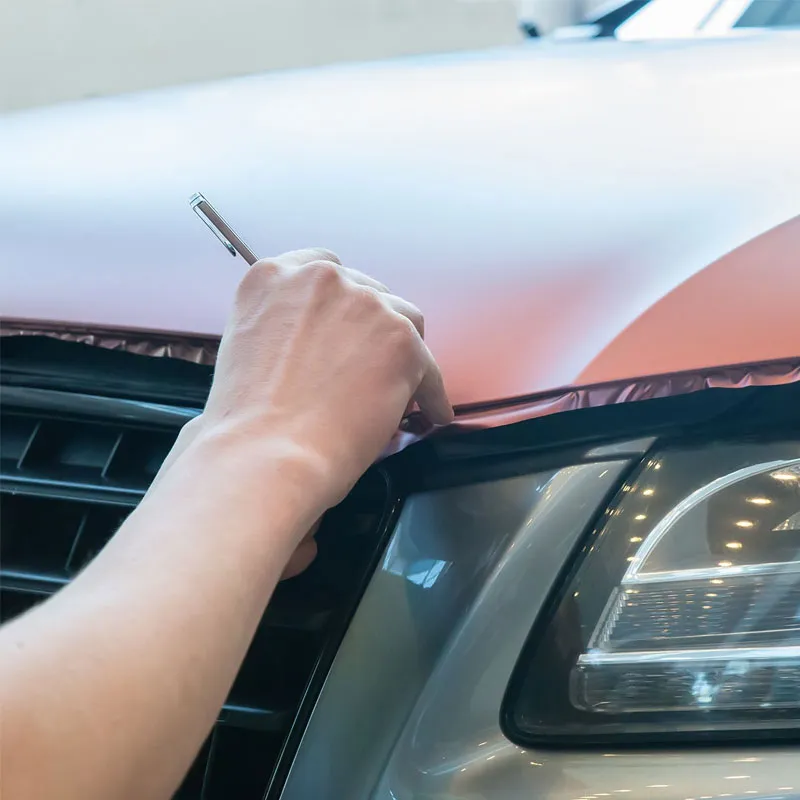
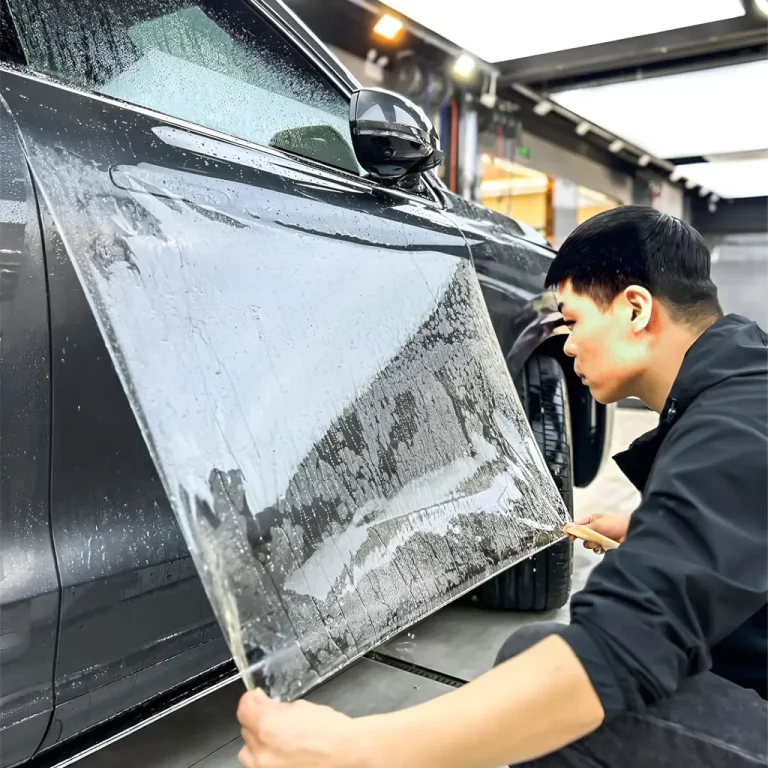
Paint Protection Film (PPF), often called clear bra or invisible car wrap, is a transparent thermoplastic urethane film that shields your vehicle’s paint from chips, scratches, UV damage, and environmental contaminants while preserving the original finish. This guide explains what PPF is, how it works, the types available, installation considerations, and practical tips to help you choose the right protection for your car.
PPF is a flexible, clear film applied to a vehicle’s painted surfaces. It acts as a sacrificial layer: rock chips, minor abrasions, bird droppings, and chemical stains hit the film first, not the underlying paint. Modern PPF also often includes a self-healing topcoat that helps minor swirl marks and light scratches disappear with heat.
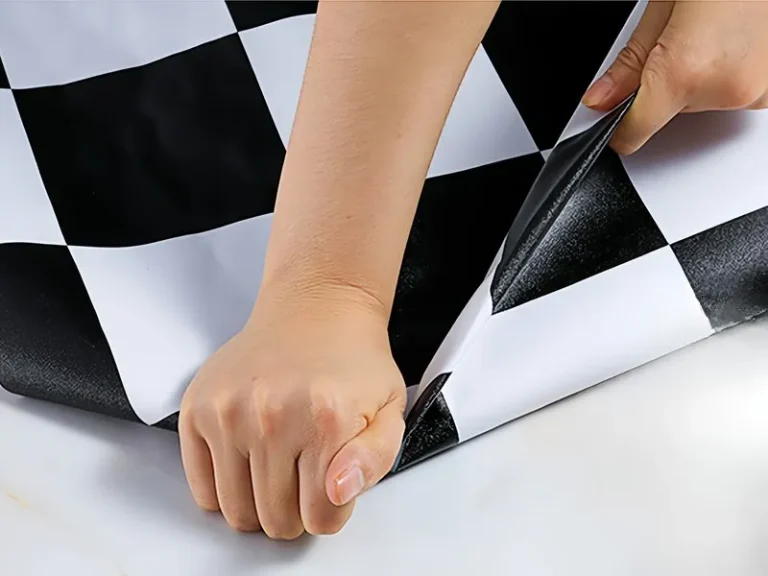
Manufactured from durable urethane, PPF combines several layers—an adhesive backing, the urethane body, and a protective topcoat. The film bonds to paint and absorbs impact energy. Many premium films feature hydrophobic and UV-resistant topcoats that repel dirt and slow yellowing.
PPF comes in different finishes and thicknesses. Choose based on desired protection level, appearance, and budget.
| Type | Typical Thickness | Key Benefits |
|---|---|---|
| Standard Clear PPF | 6–8 mil (150–200 μm) | Affordable, basic protection for high-impact zones |
| Thicker Heavy-Duty PPF | 8–12 mil (200–300 μm) | Better rock-chip resistance; ideal for front bumpers & hoods |
| Matte & Satin PPF | 7–10 mil | Preserves matte finishes or creates a satin look without gloss |
| Self-Healing PPF | 6–10 mil | Topcoat reforms after heat exposure, reducing minor scratches |
Protection: Prevents stone chips, light scratches, and chemical stains from reaching paint.
Preserve Value: Keeps factory paint pristine—useful for resale and lease returns.
Aesthetic Flexibility: Available in gloss, satin, and matte finishes to match or change your vehicle’s look.
Low Maintenance: Hydrophobic coatings shed water and contaminants, making cleaning easier.
Although small clear bra kits and partial wraps are sold for DIYers, full-wrap installation is complex. Professionals use heat, specialized tools, and paint-safe adhesives to eliminate bubbles and ensure edge sealing. For best results and warranty coverage, consider a certified professional installer.
Costs vary widely by coverage area, film quality, and labor. Expect partial-front protection to start at several hundred dollars, while full-vehicle wraps with premium film may run into the low thousands. Many installers back their work with 5–10 year warranties for yellowing, cracking, and adhesive failure.
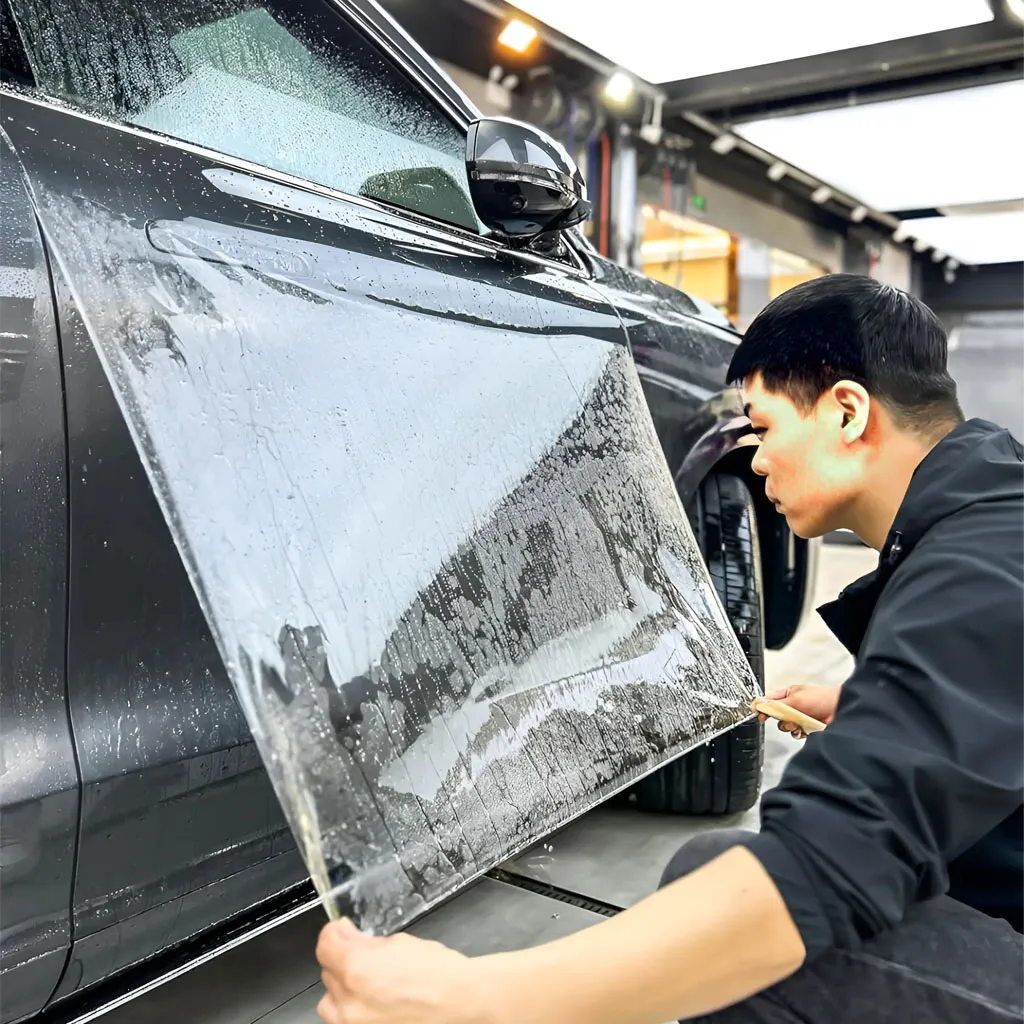
After installation, avoid high-pressure washes for 48–72 hours. Use pH-neutral car shampoos, and dry with a microfiber towel. For self-healing films, a brief gentle heat (sunlight or warm water) helps reduce light swirl marks. Never use abrasive polishes designed for bare paint on matte PPF.
Myth: PPF always changes the color of your car. Reality: High-quality clear PPF is optically clear and won’t alter color; matte films intentionally change finish. Myth: PPF lasts forever. Reality: Lifespan depends on film quality, exposure, and maintenance—typically 5–10+ years for premium films.
Consider these factors: thickness for impact-prone areas (8–12 mil for fronts), topcoat (self-healing and hydrophobic), finish (gloss vs matte), warranty terms, and the track record of the installer. Inspect test samples under sunlight to judge clarity and reflectivity.
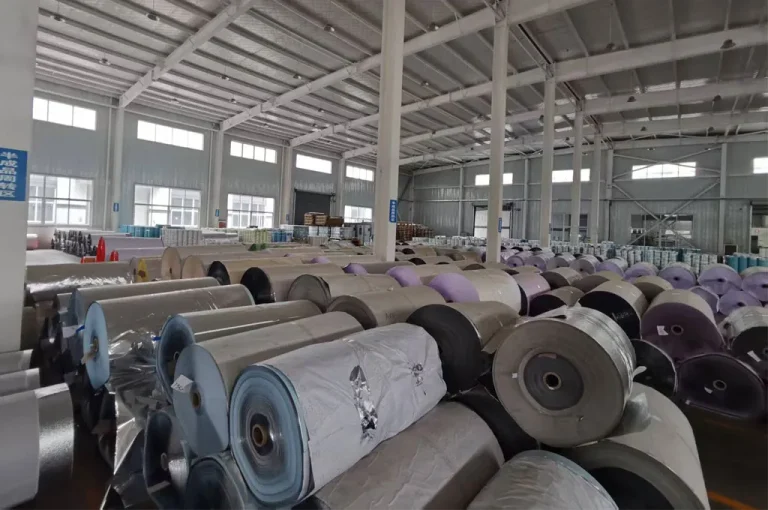
For custom film manufacturing and supply chain support, Pulivk provides calendered and specialty films with full in-house production capabilities—ideal for OEM and wholesale partners. Visit https://pvcfilmtec.com/ for product details and inquiries.