Address
304 North Cardinal St.
Dorchester Center, MA 02124
Work Hours
Monday to Friday: 7AM - 7PM
Weekend: 10AM - 5PM
Address
304 North Cardinal St.
Dorchester Center, MA 02124
Work Hours
Monday to Friday: 7AM - 7PM
Weekend: 10AM - 5PM


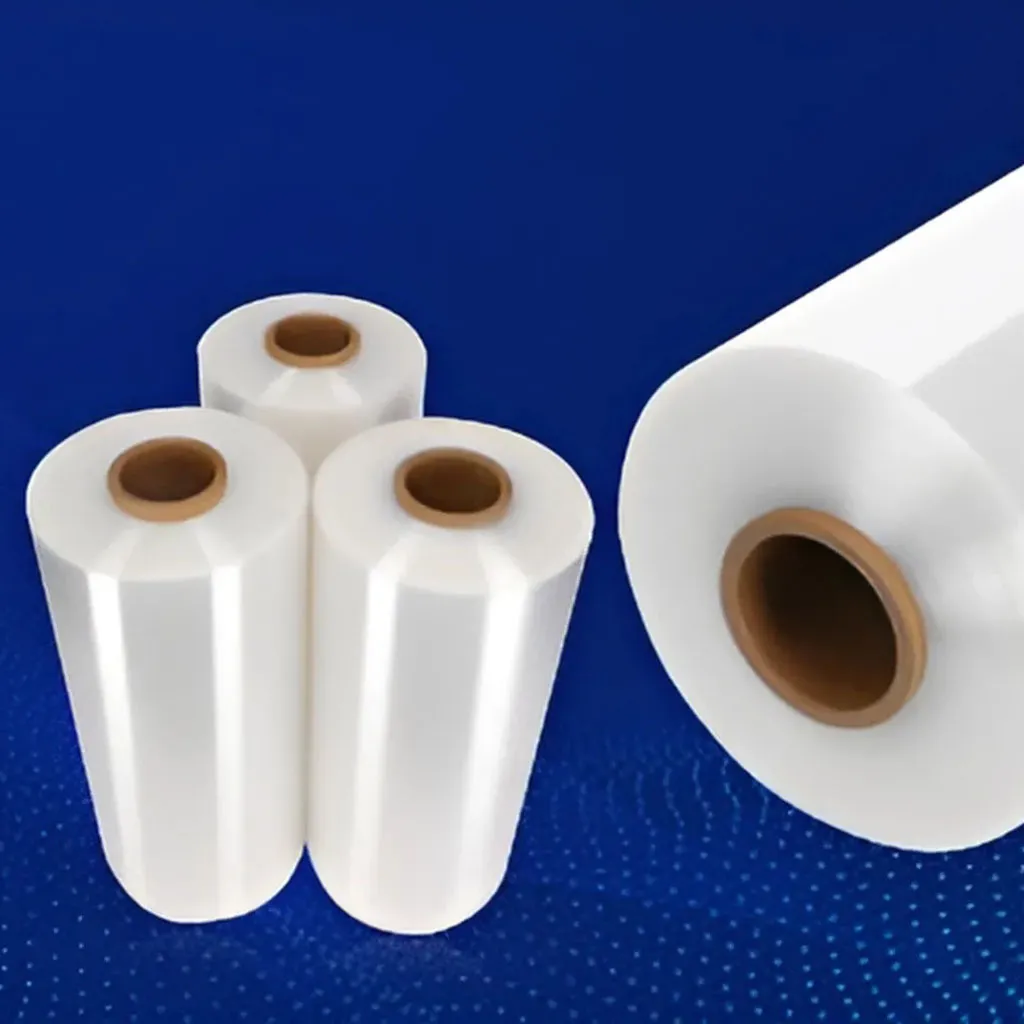
Frozen food packaging film is a specially engineered plastic film designed to protect frozen products from moisture, freezer burn, odor migration, and physical damage during storage and transport. These films combine barrier performance, sealability, and durability to extend shelf life and maintain product quality for everything from individually quick-frozen (IQF) fruits and vegetables to meat blocks and ready meals.
Monolayer films — Simple, cost-effective films for lightweight frozen goods and protective overwraps. They offer good clarity but limited barrier performance.
Co-extruded multi-layer films — Layers of PE, EVOH, or PA are combined to optimize moisture and oxygen barriers, toughness, and sealability.
Laminated films — PET/PE or PET/CPP laminates deliver high puncture resistance and printability for retail frozen packs and vacuum packs.
Metallized films — Provide enhanced light and oxygen barrier for long-life frozen items and specialty applications.
Polyethylene (PE), polyethylene terephthalate (PET), polypropylene (PP), polyamide (PA / nylon), and EVOH are widely used. Each material contributes specific strengths: PE for sealing and flexibility, PET for strength and print surface, PA for puncture resistance, and EVOH for oxygen barrier.
Barrier protection: Reduces moisture loss and prevents freezer burn.
Mechanical strength: Resists punctures and tears during handling and shipping.
Seal integrity: Reliable heat seals keep packages airtight under low temperatures.
Printability & branding: High-quality printing and clear windows help retail appeal and traceability.
| Material | Primary Benefit | Typical Use |
|---|---|---|
| Polyethylene (PE) | Good seal & flexibility | Overwraps, inner seal layers |
| PET | High strength & printability | Retail packs, laminated films |
| PA (Nylon) | Puncture resistance | Meat blocks, bone-in products |
| EVOH | Excellent oxygen barrier | Long shelf-life frozen meals |
| Metallized films | Light & gas barrier | Specialty, long-term storage |
Gauge (thickness): Typical frozen food film thickness ranges from 30 µm to 200 µm depending on application — lightweight overwraps are thinner, heavy-duty vacuum or block films are thicker.
Seal technology: Heat-sealable inner layers such as PE or copolymer provide reliable seals at commercial sealing bars and retain integrity at sub-zero temperatures.
Puncture & tear resistance: Use PA or reinforced laminates for sharp-edged products (e.g., bones, frozen seafood) to avoid leaks.
Frozen food films intended for direct contact must meet regional food contact regulations (FDA in the United States, EFSA in Europe, and equivalent authorities elsewhere). Ensure your supplier provides migration test reports and declarations of conformity when required.
Recyclable constructions: Monomaterial PE films support mechanical recycling better than multi-material laminates.
Reduced material usage: Co-extrusion and improved barrier layers can reduce overall film thickness while maintaining performance.
Responsible sourcing: Ask about recyclability claims, post-consumer recycled (PCR) content, and end-of-life recommendations for your market.
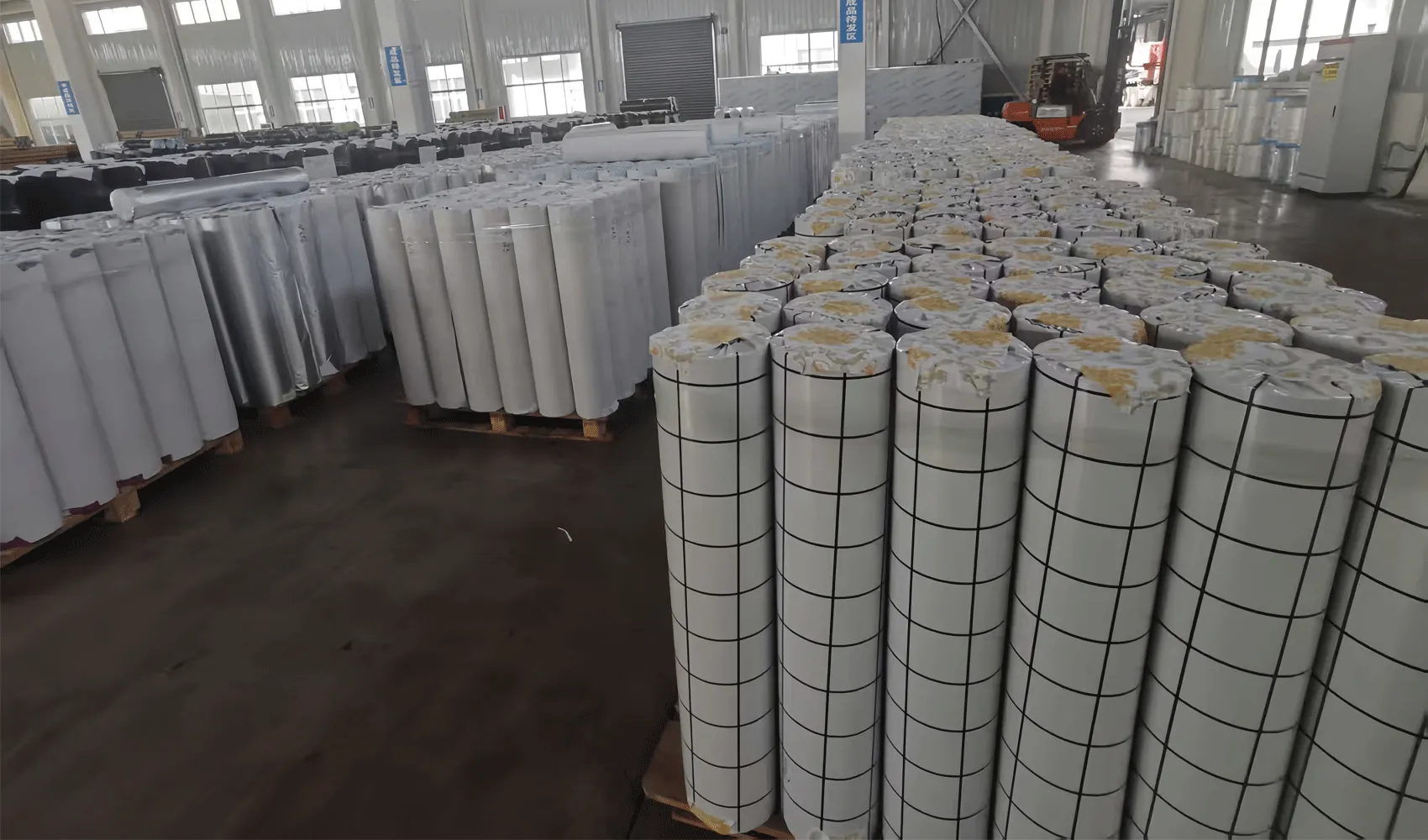
Match film to product: Determine whether you need high puncture resistance, extra barrier, or excellent presentation clarity.
Request samples: Trial seals, freezer storage tests, and drop tests reveal real-world performance.
Check print & decoration: If retail shelf appeal matters, confirm print methods, ink compatibility with freezing temps, and scuff resistance.
– IQF fruits, vegetables, and seafood
– Vacuum-packed meats and cheese
– Portion-controlled meal packs and ready-to-cook trays
– Block frozen products (meat/seafood slabs)
Look for suppliers with in-house calendering, printing, and split-packaging capabilities to control quality and lead times. For flexible OEM and custom needs, partner with a manufacturer that supports tailored sizes, colors, and prints to meet private-label requirements — for example, Pulivk.
1. Confirm regulatory certificates and food contact compliance.
2. Test seal strength and freezer storage compatibility.
3. Validate puncture resistance for sharp products.
4. Review recyclability or sustainability claims if required by your market.
Choosing the right frozen food packaging film means balancing barrier performance, mechanical protection, cost, and environmental goals. Proper specification and testing reduce waste and preserve product quality through the cold chain.