Address
304 North Cardinal St.
Dorchester Center, MA 02124
Work Hours
Monday to Friday: 7AM - 7PM
Weekend: 10AM - 5PM
Address
304 North Cardinal St.
Dorchester Center, MA 02124
Work Hours
Monday to Friday: 7AM - 7PM
Weekend: 10AM - 5PM


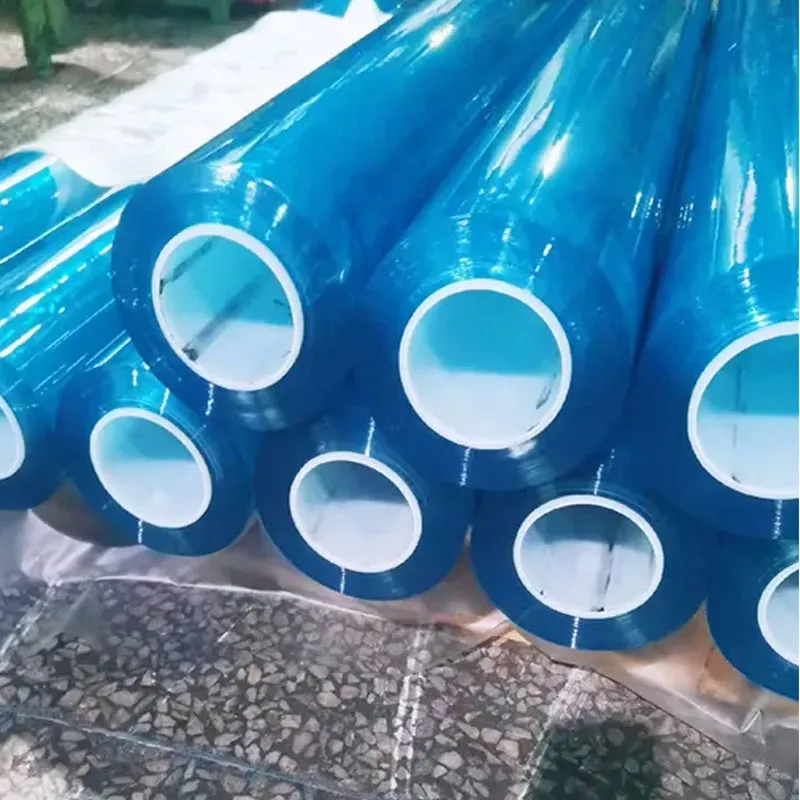
High strength stretch film is a heavy-duty, highly elastic packaging film designed to wrap, secure, and protect loads during storage and transit. Engineered for superior puncture resistance and load retention, it is widely used across manufacturing, logistics, and retail sectors to reduce damage, improve pallet stability, and lower packaging costs.
High strength stretch film is formulated with advanced polymers and multi-layer construction to deliver enhanced tensile strength, tear resistance, and puncture protection compared with standard stretch film. These films often include higher gauge layers, improved resin blends, and better cling properties to maintain load integrity under stress.
Manufacturers optimize several parameters to achieve high strength:
High strength stretch film is versatile and used in:
Choosing high strength film delivers measurable benefits:
| Property | Standard Stretch Film | High Strength Stretch Film |
|---|---|---|
| Tensile Strength | Medium | High |
| Puncture Resistance | Standard | Enhanced |
| Pre-stretch Capability | 10%–60% | Up to 300% (varies) |
| Cost per Load | Higher film usage | Lower overall (due to thinner, stronger film) |
Consider these factors when specifying film for your operation:
To maximize performance:
Q: Can high strength film replace heavier standard film?
A: Yes — in many cases it offers equal or superior protection at lower gauge, reducing cost and waste.
Q: Is it compatible with automatic stretch-wrap machines?
A: Most high strength films are designed for both manual dispensers and automated wrappers; confirm pre-stretch specs with your supplier.
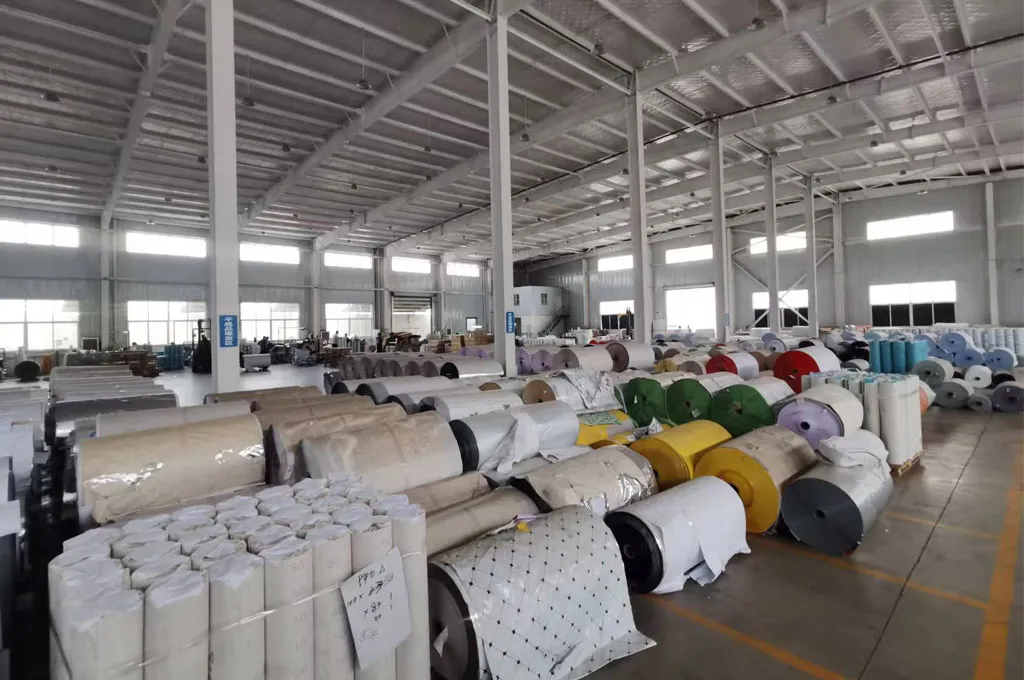
For reliable supply, look for producers with full in-house capabilities and strict quality control. Pulivk (Henan Pulivk New Materials Co., Ltd.) operates calendering, printing, and split-packaging lines, offering flexible OEM options and stable lead times for global customers.
Adopt a test-and-measure approach: trial different film grades, record film usage per pallet, and monitor damage rates. Optimizing film selection and application will reduce costs, lower environmental impact, and improve supply chain reliability.