Address
304 North Cardinal St.
Dorchester Center, MA 02124
Work Hours
Monday to Friday: 7AM - 7PM
Weekend: 10AM - 5PM
Address
304 North Cardinal St.
Dorchester Center, MA 02124
Work Hours
Monday to Friday: 7AM - 7PM
Weekend: 10AM - 5PM


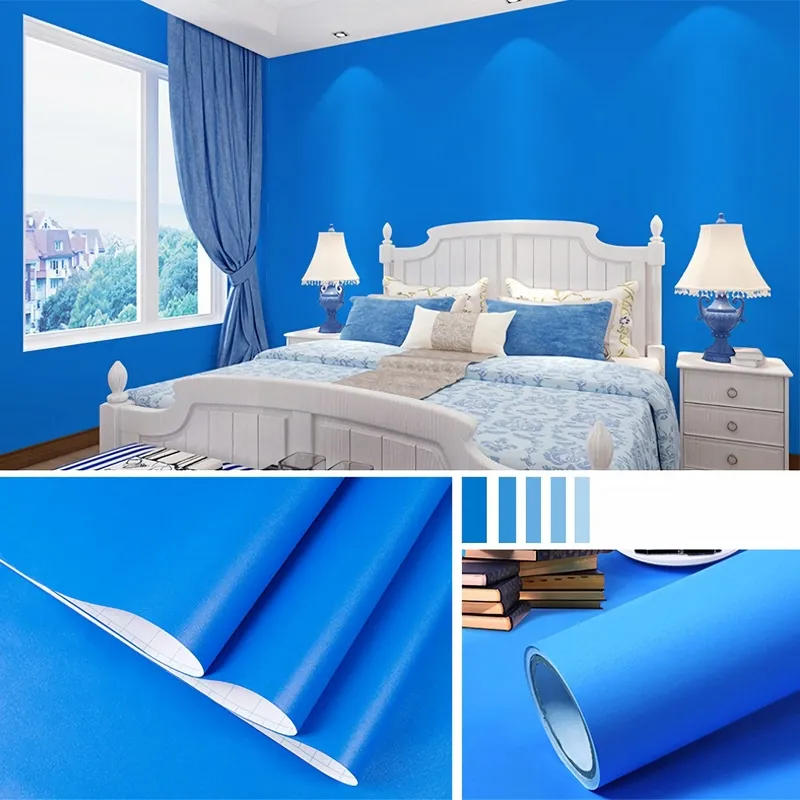
PVC film has become one of the most flexible materials in modern decoration because it can mimic premium surfaces (wood, stone, metal, fabric), protect substrates, and simplify cleaning—all while supporting fast production and consistent quality. Whether you are decorating furniture panels, walls, doors, shop fittings, or even appliance exteriors, the right PVC film finish and printing method can elevate the final look and lifespan of the surface.
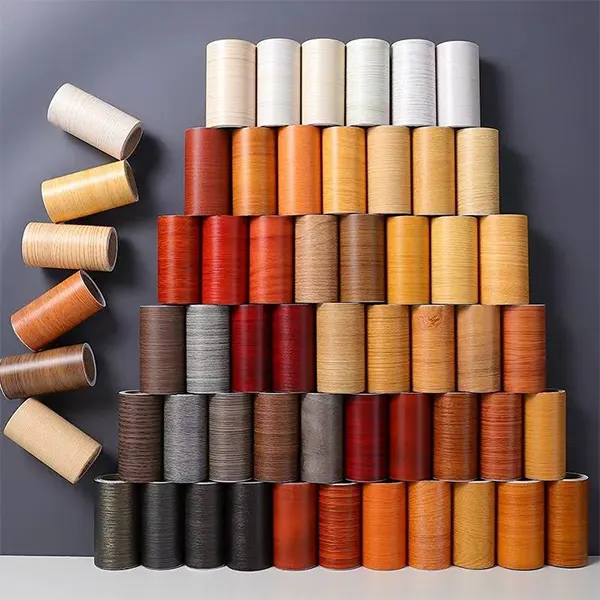
This guide explains which types of decoration work best with PVC film, how to match finishes to real-world use, what printing methods deliver the most realistic effects, and how to design patterns that look “built-in” rather than “stuck on.” If you want to explore product options, visit
Pulivk Film
for a full overview of decorative and calendered PVC film solutions.
Key advantage: PVC film is not only decorative; it can be a protective, functional layer with optional treatments like anti-static, anti-fog, or easy-clean coatings.
The best results come from pairing the visual style (pattern + gloss level + texture) with the use environment (touch frequency, moisture, heat, chemical exposure, and lighting). Below are the decoration categories where PVC film typically delivers the strongest balance of aesthetics and practicality.
Furniture manufacturing is one of the most common uses for PVC decorative film because it creates a uniform, repeatable look across large batches—ideal for modern wardrobes, kitchen cabinets, office desks, and retail fixtures. PVC film can be applied by lamination, wrapping, or vacuum pressing depending on panel shape and edge details.
Best film styles for furniture:
Explore a common furniture favorite:
Wood Grain Film.
PVC film enables fast wall upgrades in residential and commercial interiors, especially where painting is inconvenient or where you want repeatable patterns. Solid colors, stone looks, and textile textures are popular for feature walls, corridors, hotel rooms, and retail backdrops.
For minimalist design trends, solid-color PVC wall films help maintain a clean look while improving wipe-clean performance compared to paint. A useful reference option is
Solid Color Wallpaper.
Doors and frames face frequent touch, impact, and cleaning. PVC film works well here because it supports durable finishes (woodgrain, matte, brushed metal looks) and can be paired with embossing to improve realism. For building interiors, a consistent film across doors and trims creates a cohesive visual language.
Tip ▸
For trims near floors, choose finishes that hide dust and scuff marks (mid-tone wood grains, micro-textured matte) and confirm adhesion with the substrate and primer.
A targeted product example is
PVC Skirting Film.
Kitchens are demanding: oil mist, steam, frequent wiping, and strong detergents. PVC film performs best here when you select easy-clean, stain-resistant surfaces and confirm temperature exposure requirements (e.g., distance from stoves/heat sources). Many projects use specialized anti-oil films for cabinet exteriors, splash areas, and renovation overlays.
If your project is kitchen-focused, consider films designed specifically for oily environments, such as
Kitchen Anti-oil Film.
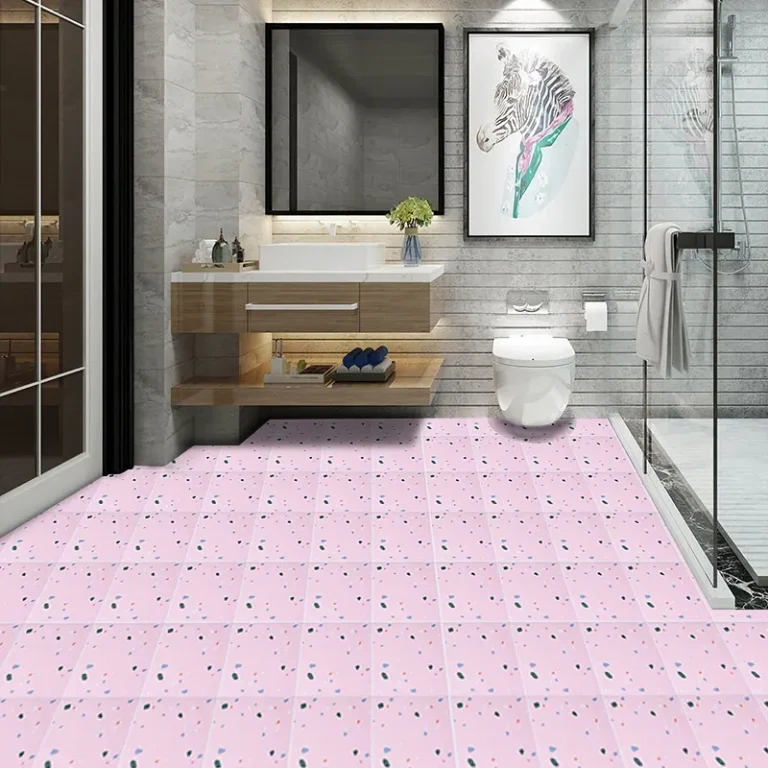
PVC films for flooring and wet-zone decoration are popular for quick upgrades, especially in rentals, dormitories, and budget-friendly renovations. In these areas, prioritize anti-slip texture, stable adhesive performance, and water edge sealing to prevent lifting.
Where PVC film flooring shines:
Learn more about floor-specific options:
Floor Film.
PVC film is a go-to for retail and exhibition decoration because it can be produced consistently at scale and offers many finishes—from metallic shine to high-definition patterns—while keeping substrates lightweight. It’s often used on display panels, counters, booths, light boxes, and background walls.
For short-term campaigns, prioritize fast application/removal and choose patterns that maintain legibility under store lighting. In high-glare malls or showrooms, matte finishes reduce reflections and keep colors stable in photos.
Finish selection is the fastest way to make a decoration look premium. The same pattern can look completely different depending on gloss level and surface texture.
The “best” decoration style depends on your space, lighting, and target customer. However, several pattern families consistently perform well because PVC printing and embossing can reproduce them convincingly.
Wood grain is one of the most forgiving and versatile looks. It pairs well with neutral paint, black metal hardware, and warm lighting. In compact spaces, lighter oak/ash tones help rooms feel larger; darker walnut tones add depth and formality.
Design idea ▸
Use one wood tone across cabinets, skirting, and door trims for visual unity, then add contrast through handles, lighting, or countertop colors.
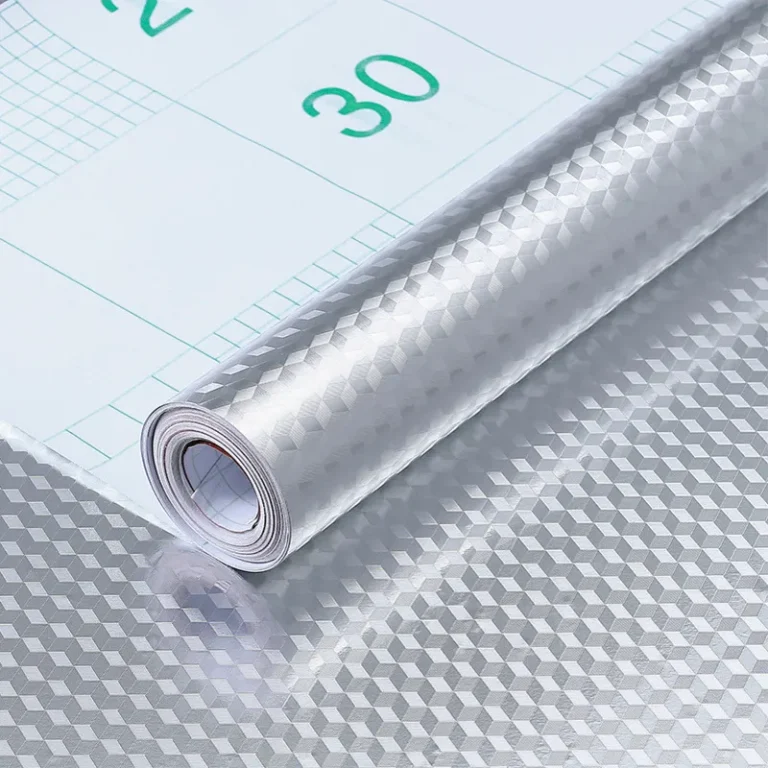
Marble and stone looks are popular in lobbies, feature walls, bathrooms, and modern kitchens. To keep the look authentic, choose patterns with realistic veining scale (not too repetitive) and combine them with matte or satin surfaces to reduce “plastic shine.”
Quality cue ▸
Realistic stone effects typically require high-resolution printing plus subtle texture. In large installations, ask for pattern control to reduce visible repeats.
Solid colors are essential for minimalist interiors and brand-aligned retail spaces. They also simplify color matching across different materials (panels, trims, doors). Matte solid colors are especially practical for offices and hospitality projects because they reduce glare and hide fingerprints better than gloss.
Textile-like PVC film brings warmth without the maintenance of fabric. It’s excellent for bedrooms, lounge areas, and hotel headboard walls. It also performs well under mixed lighting where flat colors might look uneven.
A representative texture option is
3D Silk Texture Film.
Printing is the heart of decorative PVC film performance—both visually (color, clarity, realism) and functionally (ink adhesion, resistance to wear). Many manufacturers combine printing with embossing and protective top layers to build a complete decorative system.
Gravure printing is widely used for decorative films because it supports stable mass production, smooth gradients, and consistent repeat control. It is a strong choice for wood grains, stones, and high-volume projects where batch-to-batch consistency matters.
Digital printing is ideal when you need quicker sampling, smaller batch sizes, or more frequent design changes. It can also support personalization and localized patterns, especially for retail displays or limited series furniture.
Printing alone can look flat. When you combine it with embossing—such as wood pores, stone texture, or brushed lines—the surface becomes dramatically more convincing at close distance. For doors, cabinet fronts, and feature walls, this is often the difference between “decorative film” and “premium finish.”
Good design is not only about picking a pattern; it’s about how that pattern behaves across edges, seams, lighting, and adjacent materials. These ideas help your PVC film project feel integrated and professionally finished.
Choose one standout element—like a marble-look feature wall or a textured silk panel—and keep surrounding surfaces in calm matte solids. This prevents pattern overload and makes the space feel curated.
For frequently touched areas (cabinet doors, wardrobe fronts), choose finishes that reduce fingerprints: matte, fine emboss, or soft-touch. Use higher gloss or metallic effects on less-touched vertical panels or decorative zones.
Vertical grain makes ceilings feel taller; horizontal grain makes walls feel wider. Keep grain direction consistent across connected panels, and avoid random rotation that breaks the visual flow.
A matte solid-color film on cabinets paired with a slightly darker skirting or door frame creates depth without visual noise. This works especially well in contemporary apartments, offices, and hospitality corridors.
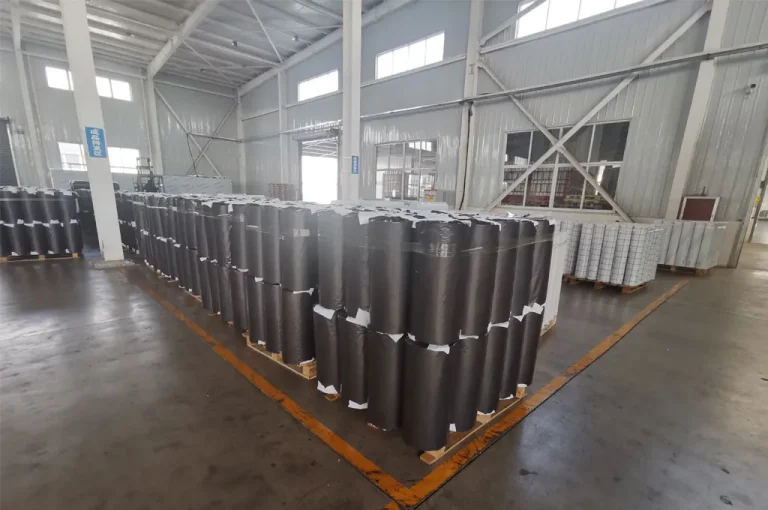
Many decorative films start with a stable base film produced through calendering, which supports consistent thickness, good surface quality, and scalable production. If you’re comparing base material options, see
Calendered Film
for typical specifications and applications.
Even the best-looking film can fail visually if installed poorly. Most complaints (bubbles, lifting edges, seams showing) come from surface prep, adhesive mismatch, or insufficient pressure during lamination.
Important ▸
Test on your real substrate before mass production—especially for new patterns, new primers, or humid environments.
Wood grain and matte solids are typically the most natural-looking because they hide minor seams and reflect light evenly; adding embossing improves realism further.
Gravure printing is commonly preferred for large-scale production due to strong consistency, stable repeats, and efficient throughput.
Yes, if you choose the right surface and installation system. For kitchens, prioritize easy-clean and anti-oil options; for bathrooms, focus on moisture resistance, anti-slip (for floors), and edge sealing.
Confirm repeat length before ordering, plan panel layout around seams, and consider designs with more natural randomness (stone veining, textile textures).
Send the film type, thickness, width, roll length, finish (gloss/matte/emboss), pattern/color references, quantity, and intended application method so the supplier can recommend the correct structure and packaging.