Address
304 North Cardinal St.
Dorchester Center, MA 02124
Work Hours
Monday to Friday: 7AM - 7PM
Weekend: 10AM - 5PM
Address
304 North Cardinal St.
Dorchester Center, MA 02124
Work Hours
Monday to Friday: 7AM - 7PM
Weekend: 10AM - 5PM


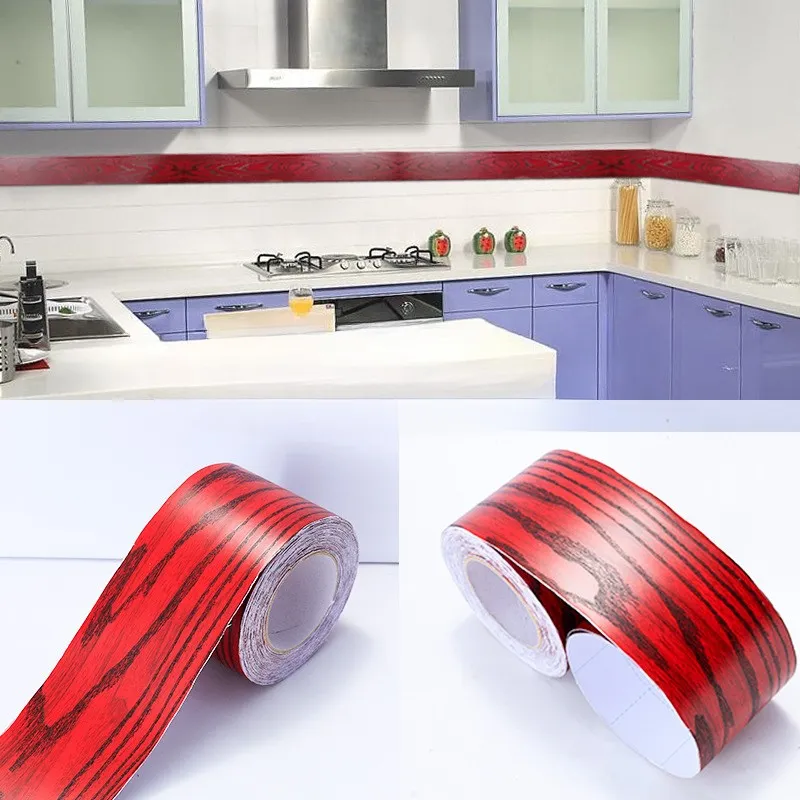
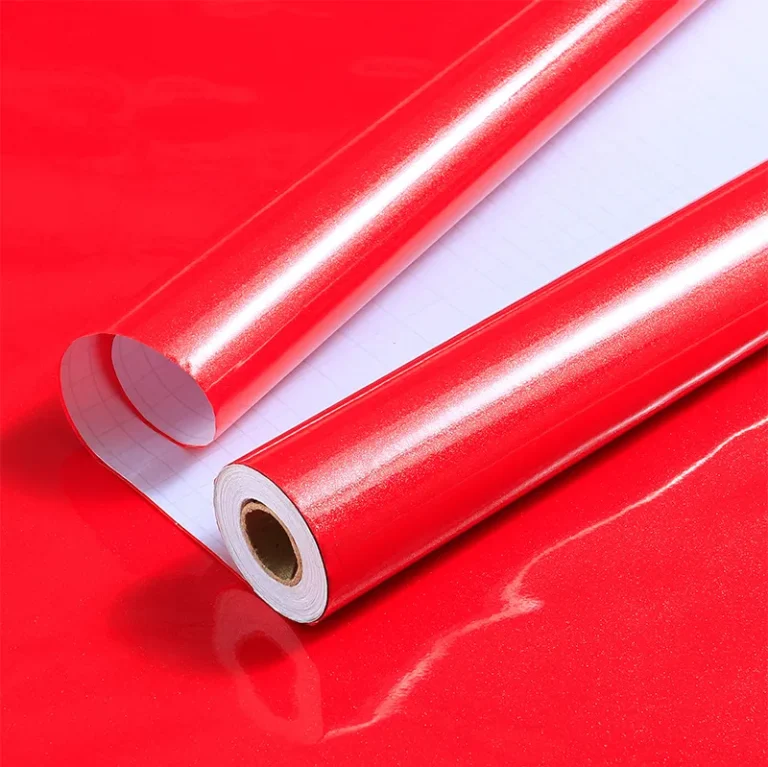
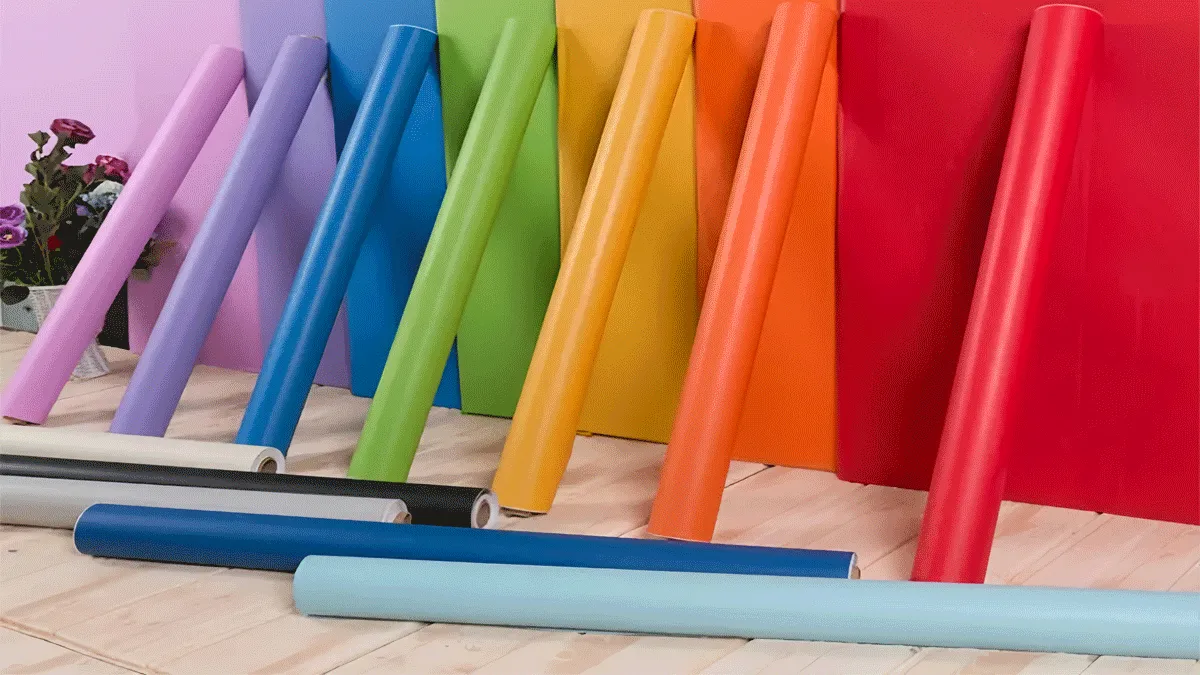
3D PVC film for vacuum pressing is a high-performance decorative surface material designed to wrap and bond onto MDF, particleboard, plywood, and other substrates under heat and vacuum. It combines realistic patterns (wood, stone, textile, metallic, 3D embossed effects) with practical durability—making it a popular choice for cabinet doors, wardrobe panels, wall features, and interior components where both appearance and efficiency matter.
Key idea:
In vacuum pressing, thickness is not just a number—it affects forming ability, edge-wrapping, scratch resistance, and how stable the surface looks after years of use.
3D PVC film (often called decorative PVC membrane) is a flexible, thermoplastic film that softens with heat and becomes formable. During vacuum pressing, the softened film is pulled tightly over a shaped workpiece by vacuum, then bonded with adhesive. After cooling, the film locks in the contour—covering profiles, edges, and recessed details seamlessly.
“3D” typically refers to the embossing depth, tactile texture, or visual depth effect (e.g., synchronized wood pores, stone veins, fabric weave, or geometric relief). Compared with flat lamination, vacuum pressing enables more complex shapes and one-piece wrapping—helpful for premium-looking doors and panels.
Kitchen and wardrobe doors, bathroom vanities, wall panels, office furniture, skirting boards, decorative trims, and interior renovation projects where a “wrapped” edge is preferred.
Fast surface finishing, consistent aesthetics across batches, many pattern options, and strong compatibility with modern calendered decorative film production.
Vacuum pressing can wrap routed edges, grooves, and raised panels in one continuous skin. This reduces visible seams compared with manual edging, improving the look on cabinet doors and decorative panels.
Modern embossing and printing technologies create surfaces that closely mimic natural materials. For example, wood grain films can align pores with printed grain lines, while stone and metallic textures can deliver a more architectural feel without the weight or cost of the original material.
A well-selected film can improve resistance to scratches, stains, moisture, and household chemicals—especially important for high-touch areas like kitchen cabinets and wardrobe doors.
With consistent film thickness and controlled surface properties, vacuum pressing lines can achieve repeatable outcomes, minimize rework, and support scalable manufacturing.
Tip:
If you need highly stable thickness and print consistency, choose a film made with a controlled process such as
calendered film,
which is commonly used as a base for decorative vacuum pressing films.
Vacuum-pressed cabinet doors, wardrobe panels, bedside tables, and office furniture surfaces often use wood grain, matte solids, soft-touch, or glossy finishes to match interior design trends.
Popular pattern references include
wood grain film
and high-end tactile options like
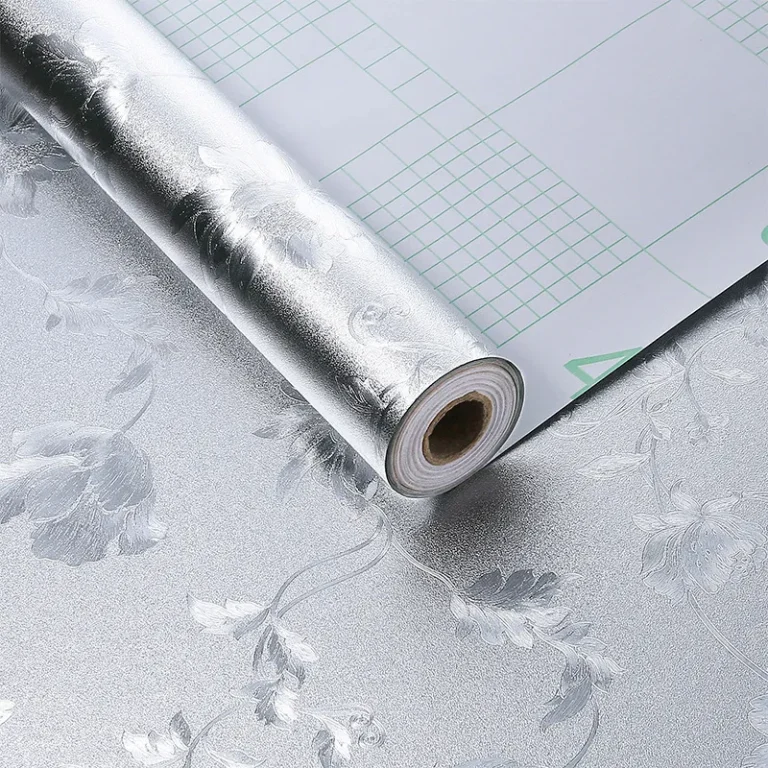
3D silk texture film.
Wall panels, decorative partitions, ceiling features, and trims benefit from consistent color and texture. For design continuity, many projects match doors, panels, and skirting using coordinated surface films such as
PVC skirting film.
In kitchens, rentals, and commercial interiors, wipeability matters. Pairing vacuum-pressed panels with functional films (oil-resistant or easy-clean surfaces) can reduce maintenance. For related materials, see
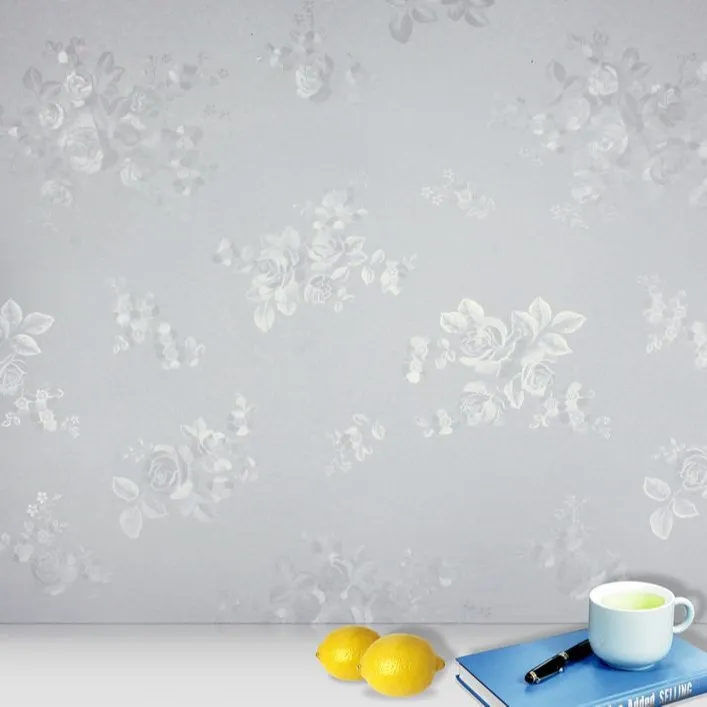
kitchen anti-oil film.
Thickness selection should balance formability (how well the film stretches into details) and surface robustness (scratch resistance, dent masking, and long-term appearance). Too thin may risk telegraphing substrate imperfections; too thick may reduce stretch, increasing the chance of whitening, tearing, or poor definition on sharp corners.
Light forming & cost-sensitive:
0.12–0.18 mm — Suitable for flatter surfaces or gentle profiles, where you want good coverage at lower material cost.
Most common for cabinet doors:
0.18–0.30 mm — A balanced range that often delivers reliable forming and daily-use durability.
Deep embossing / higher impact resistance:
0.30–0.50 mm — Better masking of minor substrate texture and enhanced tactile feel, but requires careful forming control (temperature, dwell time, and corner radii).
Geometry determines how much the film must stretch. If you have deep grooves, sharp corner details, or narrow raised profiles, consider a film that forms well under your press conditions. In many cases, choosing a mid-range thickness and optimizing tooling (smooth transitions, proper radii) yields better results than simply increasing thickness.
Checklist for complex shapes:
For kitchens and bathrooms, choose a thickness and surface finish that supports frequent cleaning and moisture exposure. For commercial furniture, prioritize scratch resistance and color stability. If the substrate has minor imperfections, a slightly thicker film may reduce “show-through,” but it should still be compatible with your vacuum forming parameters.
Thickness interacts with finish. Deep 3D embossing often feels more premium at moderate-to-higher thickness because the relief remains distinct after forming. Glossy finishes may reveal substrate flaws more easily, so surface preparation and consistent board quality are essential.
Even the best film can fail if the adhesive is wrong or applied unevenly. Adhesive type, coat weight, open time, and drying conditions impact bonding strength and long-term stability. Always run trials when switching film finish, thickness, or board supplier.
PVC softens within a controllable temperature range. Insufficient heating reduces stretch and definition; overheating can distort texture, cause gloss shift, or lead to whitening at stressed areas. Consistent heater performance (and calibration) is critical for repeatable quality.
Vacuum pressing magnifies substrate issues. Uneven sanding, porous edges, sharp corners, and dust all increase defect risk. A stable board, proper sealing where needed, and clean handling practices typically produce the biggest quality gains.
If you want fast sampling and fewer misunderstandings, prepare a clear specification. In OEM/ODM procurement, the most successful projects usually define performance targets as well as appearance.
Choose a balanced thickness that forms well around edges and keeps a clean look under bright kitchen lighting. Pair with a finish that supports frequent wiping. If oil resistance is a priority in the broader kitchen environment, coordinate with easy-clean surface materials used nearby.
Select a film that preserves emboss definition after forming. A slightly higher thickness can make the tactile effect feel richer, but ensure your tooling has appropriate radii and your heating profile is stable to prevent whitening or texture distortion.
A thinner film can work well on flatter parts while maintaining acceptable durability. Focus on stable thickness tolerance, consistent color, and a finish that hides fingerprints (often matte or light texture).
Quick decision rule:
If your design has deeper shapes, first improve formability and geometry; if your concern is wear and appearance retention, then increase thickness cautiously and validate with trials.
Many cabinet doors perform well in the 0.18–0.30 mm range, but the best choice depends on profile depth, corner radius, and the forming window of your press line.
Not always. Thicker film can improve feel and masking, but it may reduce stretch on sharp details and increase forming risk. Durability also depends on surface coating, emboss, and quality control.
Whitening is often caused by overstretching at sharp radii, non-uniform heating, or a film/geometry mismatch. Improving corner radius and optimizing heating often solves it more effectively than changing thickness alone.
Yes. Common OEM/ODM options include thickness, width, roll length, color matching, printing patterns, and embossing styles to align with your product line and branding.
Share application (door/panel type), thickness target, finish, color/pattern reference, width/roll size, expected quantity, and any performance/compliance requirements. This reduces back-and-forth and speeds up trial production.