Address
304 North Cardinal St.
Dorchester Center, MA 02124
Work Hours
Monday to Friday: 7AM - 7PM
Weekend: 10AM - 5PM
Address
304 North Cardinal St.
Dorchester Center, MA 02124
Work Hours
Monday to Friday: 7AM - 7PM
Weekend: 10AM - 5PM


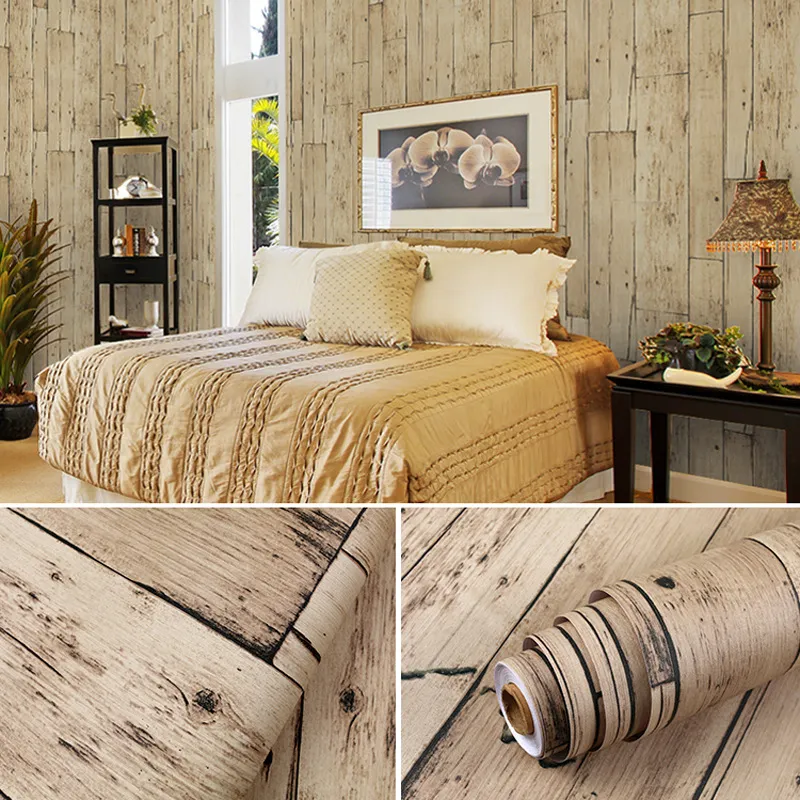
PVC film for MDF has become one of the most efficient ways to upgrade furniture panels and cabinet components without switching to expensive solid wood or complex lacquer systems. When selected correctly, a decorative PVC film can deliver consistent color, realistic texture, abrasion resistance, and easy cleaning—while helping manufacturers keep lead times stable and waste low. This guide explains the real-world benefits, the main film types used on MDF, and a practical method to choose the right finish for furniture and cabinets.

Key idea:
MDF provides a stable, smooth substrate; PVC film provides the visible surface performance. The best results come from matching the film’s finish, thickness, embossing, and functional coatings to how the furniture will actually be used (kitchen oil, bathroom humidity, office abrasion, children’s rooms, etc.).
PVC film is a thin polyvinyl chloride sheet engineered for decorative and protective surfaces. In MDF applications, the film is commonly applied via membrane pressing (vacuum press), flat lamination, or wrapping for profiles and edges. The film can be printed (wood grain, stone, fabric, solid colors), embossed (texture), and coated (matte, gloss, anti-fingerprint, anti-static).
A widely used base option is Calendered Film, valued for stable thickness control and suitability for high-volume furniture and interior decoration programs.
Unlike natural veneers that vary by log and season, printed PVC patterns offer controlled color and repeatability. This matters for modular kitchens, wardrobe series, and project-based supply where matching panels and replacement parts is critical.
With the right topcoat and embossing, PVC film can improve scratch resistance and reduce visible wear. For cabinet doors and drawer fronts, a properly specified film helps reduce rework and customer complaints linked to micro-scratches and fingerprints.
MDF is vulnerable to moisture at edges and cut-outs. PVC film creates a protective layer that helps resist splashes and humidity—especially valuable for kitchens, bathrooms, laundry rooms, and coastal climates when combined with good edge sealing and correct adhesive selection.
Film lamination can reduce the complexity of sanding, painting, curing, and VOC handling. For many manufacturers, it supports more predictable throughput and less dust-sensitive finishing steps.
Note on sustainability & safety:
Modern furniture-grade PVC films can be made with eco-friendly inks and compliance-focused material systems. Always confirm your target market requirements (e.g., REACH/RoHS/FDA-related needs for specific environments) with the supplier.
“PVC film” is a broad category. Choosing the right type is less about a catalog name and more about surface performance and processing compatibility. Below are the most common decorative directions for MDF panels.
Wood grain is a top choice for wardrobes, office furniture, wall panels, and mid-range kitchen doors. A strong option is pairing realistic print with synchronized or light embossing to avoid a “flat” look. For product browsing, see Wood Grain Film.
Solid colors work well for Scandinavian-style cabinetry, kids’ rooms, rental apartments, and project orders that need strict color consistency. Matte solid colors can hide light scratches, while satin finishes are easier to wipe clean. For related surface options, explore Solid Color Wallpaper styles that can inspire matching wall-panel programs.
High-gloss surfaces elevate wardrobes and modern cabinet doors, but they also reveal substrate imperfections, dust marks, and micro-scratches more easily. This finish usually requires cleaner handling, protective films during transport, and careful QC for orange peel and wave. For product reference, visit Glossy Wardrobe Film.
Soft-touch and super-matte surfaces offer a high-end, anti-glare look that suits premium kitchens and contemporary interiors. They are often chosen for homeowners who prefer a calm, “fingerprint-minimizing” appearance. Confirm chemical resistance if the doors are used near cooking oils or aggressive cleaners.
Stone and marble films add visual weight to vanity cabinets, TV walls, and feature panels. Metal looks (brushed, foil-like) work well for retail fixtures and modern office furniture. For a marble-oriented direction, see Marble Film.
Embossing can reduce the visibility of small scratches and improve realism (wood pores, fabric weave). For premium tactile options suitable for feature doors and panels, consider 3D Silk Texture Film.
Start with exposure: cooking oil, steam, frequent wiping, high traffic, children’s use, or commercial cleaning routines. A kitchen door needs better stain resistance than a bedroom wardrobe; an office tabletop needs abrasion resistance; a bathroom vanity benefits from humidity tolerance and easy-clean surfaces.
Glossy looks striking but shows marks; matte/satin is forgiving and modern; embossed textures hide minor wear and add realism; soft-touch adds premium tactility but requires verification for chemical and scratch performance.
Thicker films generally provide better coverage and durability, while thinner films may be easier on cost. For vacuum-pressed cabinet doors with routed profiles, ensure the film can form without excessive whitening, stress marks, or thinning at corners. Always match thickness to your press parameters and door design.
The same film can perform very differently depending on glue chemistry and application. Confirm whether your line uses PUR, EVA, solvent-based, or water-based systems and whether you’re doing flat lamination, profile wrapping, or membrane pressing. Ask for supplier guidance on primer layers and bonding strength targets.
For wood grains, choose embossing that matches the print direction and pore scale. For modern minimal doors, keep texture subtle and prioritize consistent gloss (avoid patchiness under different lighting). In showrooms, evaluate panels under both warm and cool LEDs to spot gloss variation.
Kitchen cabinet doors: anti-fingerprint matte/satin or easy-clean gloss; confirm oil/cleaner resistance.
Wardrobes: wood grain or high gloss; prioritize appearance consistency and scratch behavior.
Office furniture: abrasion-resistant textures; stable color for modular systems.
Bathrooms/vanities: moisture tolerance + reliable edge sealing; avoid harsh cleaners if not specified.
Kids’ rooms: easy-to-clean matte/satin; consider anti-scratch and low-odor requirements.
Kitchens demand surfaces that stay presentable under daily cleaning. If the customer cooks often, prioritize finishes that resist staining and reduce fingerprint visibility. Also pay attention to edges around sinks, dishwashers, and cooktops—these are the first failure points if bonding and sealing are not well controlled.
Bedrooms typically see less chemical exposure, so style and tactile feel matter more. Wood grain with light embossing remains the safest commercial choice. High gloss can be a best-seller, but ensure protective packaging and careful installation to prevent early micro-scratches.
Desktops, drawer fronts, and partitions face repeated contact (bags, chairs, accessories). Textured matte finishes often age better visually than mirror gloss. If multiple batches are needed across a project timeline, use controlled patterns and confirm color tolerance under the client’s lighting.
Not all PVC films behave the same in pressing and long-term service. For reliable manufacturing and fewer after-sales issues, confirm these points before locking a finish.
Stable thickness supports predictable pressing/lamination results and reduces visual defects. Ask about thickness control, batch traceability, and roll-to-roll consistency for large projects.
The film’s back-side treatment and topcoat design influence bonding, stain resistance, and scratch behavior. Confirm whether the film is designed for vacuum press or flat lamination and request guidance for your specific adhesive and line settings.
For wood grains and stone looks, pattern repeat size affects how “natural” large surfaces appear. For solid colors, confirm ΔE targets and supply a master sample approval process.
If you sell into regulated markets or to commercial developers, ask for relevant documentation and test reports. Confirm ink safety for interior applications and any restrictions on specific additives.
Even a top-tier film can fail if MDF prep and process control are weak. The goal is a smooth substrate, stable moisture content, correct glue spread, and controlled press conditions.
• MDF surface quality: sand evenly; remove dust thoroughly to avoid bumps and weak bonding.
• Edge and profile design: avoid overly sharp corners; use appropriate radii to reduce film stress in vacuum pressing.
• Glue control: keep spread uniform; follow open time and curing specs; verify compatibility with the film’s back treatment.
• Temperature & pressure: stabilize parameters to prevent whitening, shrink-back, or print distortion.
• Handling & packing: protect high-gloss surfaces; separate panels to prevent rub marks during transport.
Customization makes sense when you need brand-differentiated colors, synchronized embossing with your own woodgrain design, special functional coatings (anti-static, anti-fog, anti-fingerprint), or unique roll widths for your lamination line. If you supply multiple regions or large projects, OEM/ODM programs can help keep appearance consistent and reduce costly redesigns.
Thickness, roll width/length, gloss level, emboss depth, print repeat, color matching, protective film options, and export-ready packaging with clear labeling for batch traceability.
Yes—when you choose a finish with appropriate stain resistance and confirm adhesive/process compatibility. Pay special attention to edges, sink areas, and heat/steam exposure zones.
High gloss looks more “luxury” but shows fingerprints and micro-scratches more easily. Matte/satin looks calmer and is more forgiving in daily use; embossed matte can also improve scratch masking.
Yes, but film selection (formability and thickness) and door geometry (corner radius, depth) are critical. Test on your exact profile with your press settings before mass production.
Ensure MDF is clean and evenly sanded, control glue spread and open time, stabilize press temperature/pressure, and confirm the film is designed for your lamination route (vacuum press vs flat lamination).