Address
304 North Cardinal St.
Dorchester Center, MA 02124
Work Hours
Monday to Friday: 7AM - 7PM
Weekend: 10AM - 5PM
Address
304 North Cardinal St.
Dorchester Center, MA 02124
Work Hours
Monday to Friday: 7AM - 7PM
Weekend: 10AM - 5PM



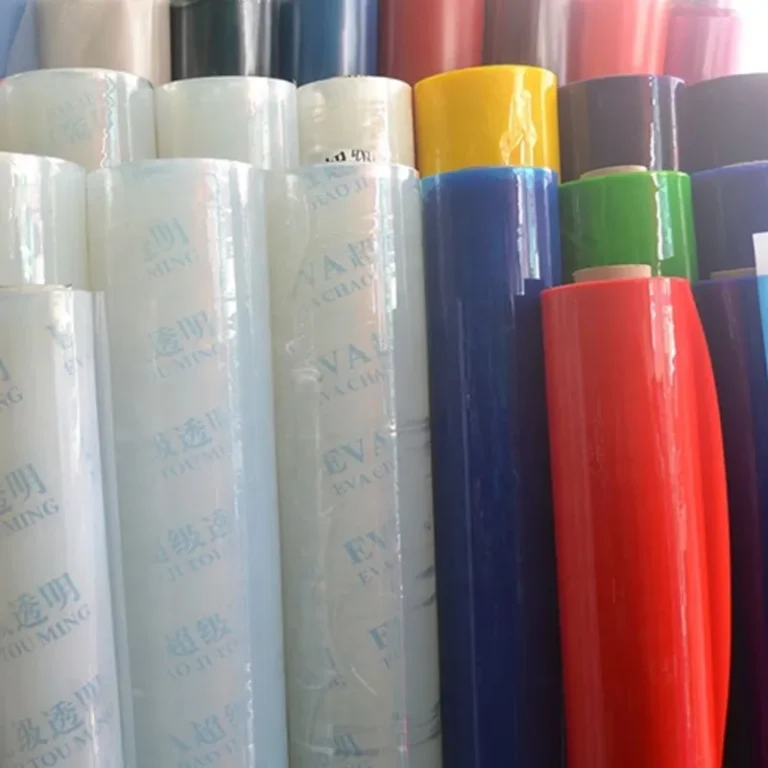
Transparent packaging PVC film is a practical, cost-effective material used to wrap, protect, and present products across retail, industrial, medical, and household markets. Its standout advantage is visual clarity: customers can see the product while the film adds barrier protection, stability, and surface performance. In this guide, you’ll learn the key benefits, common uses, and a straightforward method to choose the right thickness for your packaging line.

Key takeaway:
Thickness selection is not “thicker is better.” The best transparent PVC packaging film balances optical clarity, seal strength, puncture resistance, and machinability for your product’s shape, weight, and distribution route.
PVC (polyvinyl chloride) film is a flexible plastic sheet that can be produced in different thicknesses, finishes, and functional options. For packaging, transparent PVC film is valued for its high gloss and visibility, stable forming behavior, and the ability to be tailored for specific requirements such as anti-static, anti-fog, or food-contact performance.
Many packaging-grade PVC films are manufactured by calendering, a process that creates consistent thickness and smooth optics at scale. If you want a reference for this type of base material, see
Calendered Film.
Transparent PVC film supports premium presentation because it can deliver high transparency, gloss, and smoothness. For retail packaging, this often means fewer printed elements are needed—your product becomes the “hero” visually.
Packaging films need to run smoothly on machines and survive handling. PVC can be tuned to provide a useful balance of flexibility and structural support, especially for items with edges or corners that might puncture weaker films.
Depending on the application, transparent PVC film can include anti-static for electronics, anti-fog for chilled displays, or food-grade coatings for contact packaging. These options improve performance without sacrificing visibility.
Consistent thickness and roll quality reduce downtime and waste. For factories that require predictable output, stable film behavior can improve throughput, sealing consistency, and finished appearance.
Transparent PVC film appears across many product categories because it protects surfaces while showcasing the product. Below are high-frequency use cases and what matters most in each.
Used for stationery, gift sets, toys, personal-care bundles, and boxed items where appearance drives conversion.
Focus points: clarity, gloss, wrinkle control, smooth edges, and seal reliability.
Transparent protective wraps and interleaving layers for panels, housings, glossy surfaces, and assembled components.
Focus points: anti-static option, low surface defects, controlled slip, and puncture resistance.
Suitable for protective outer layers and clean packaging scenarios where visibility and handling stability are critical.
Focus points: cleanliness, consistent thickness, and verified compliance documents when required.
Films used to protect decorative components and surface finishes in transit—especially for long-distance export shipments.
For adjacent decorative protection needs, you can also review solutions like
PVC skirting film
and
Floor Film.
Choosing thickness starts with the product’s risk factors: sharp edges, weight, drop/impact in shipping, and required stiffness for packing speed. The “right” thickness is the point where defects (tears, holes, wrinkles, seal failures) drop sharply without adding unnecessary cost or reducing line performance.
Quick thickness mindset:
Think in terms of “minimum safe thickness” rather than a fixed number. Your minimum safe thickness changes when product shape, packing method, temperature, or shipping conditions change.
Different processes put different stress on the film:
The ranges below are typical starting points for transparent PVC packaging film. Exact targets depend on formulation, roll width, and your machine settings.
| Typical Thickness | Best For | Notes |
|---|---|---|
| 0.05–0.10 mm | Light items, inner wrap, dust protection | Prioritize clarity and smooth winding; less suitable for sharp corners. |
| 0.10–0.20 mm | General retail packaging, sleeves, window packs | Often the “workhorse” range for balanced strength and appearance. |
| 0.20–0.40 mm | Heavier items, protective outer packaging, forming needs | Higher stiffness and puncture resistance; check machine compatibility. |
Tip: If your product has sharp edges (metal parts, rigid corners, clipped fasteners), thickness alone may not solve punctures—consider formulation and surface options as well.
“Transparent” can range from crystal-clear to slightly softened optics depending on haze and gloss. Premium goods often require higher gloss and low haze, while industrial protective packaging may accept slightly lower optics if durability and cost are prioritized.
Thickness is only one lever. If your products face static attraction, moisture condensation, or direct contact with sensitive items, functional coatings can dramatically reduce complaints and returns.
Choose anti-static transparent PVC film for electronics packaging, cleanroom handling, or any process where dust attraction causes visible defects. This can improve yield and reduce rework during final inspection.
If packaged items move between cold storage and warm retail environments, condensation can hide the product. Anti-fog performance helps maintain visibility during temperature shifts.
If your packaging touches food, skin, or is used in regulated environments, confirm the film’s compliance scope (for example, REACH, RoHS, FDA, ISO management systems) and request test reports as needed. Defining this at the sample stage prevents late redesigns and delays.
① Over-specifying thickness “just in case”
Why it hurts: thicker film can reduce flexibility, create poor folding, increase sealing variability, and raise material cost.
Better approach: run a short trial at two adjacent thicknesses and measure defect rate vs. cost.
② Ignoring roll quality and thickness tolerance
Why it hurts: even the “right” thickness fails if thickness variation causes weak seals or inconsistent forming.
Better approach: specify tolerance expectations and evaluate roll consistency during sampling.
③ Choosing for clarity but forgetting scratch resistance
Why it hurts: ultra-clear packaging highlights scuffs and handling marks.
Better approach: align film surface and packing workflow; consider protective handling steps or surface treatments where applicable.
④ Not matching film to the product’s “real” journey
Why it hurts: packaging that works in-house may fail in humid ports, hot warehouses, or long-distance shipping.
Better approach: test for compression, vibration, and temperature changes that reflect actual logistics.
Packaging performance depends on stable production. A supplier with integrated processes—calendering, printing (if needed), and slitting/packing—can better control thickness, optics, and roll uniformity. This typically results in fewer line stops, less waste, and more predictable lead times.
If your packaging project also includes decorative surfaces for related product lines (for example, matching a “premium” finish across packaging and panels), you can explore options like
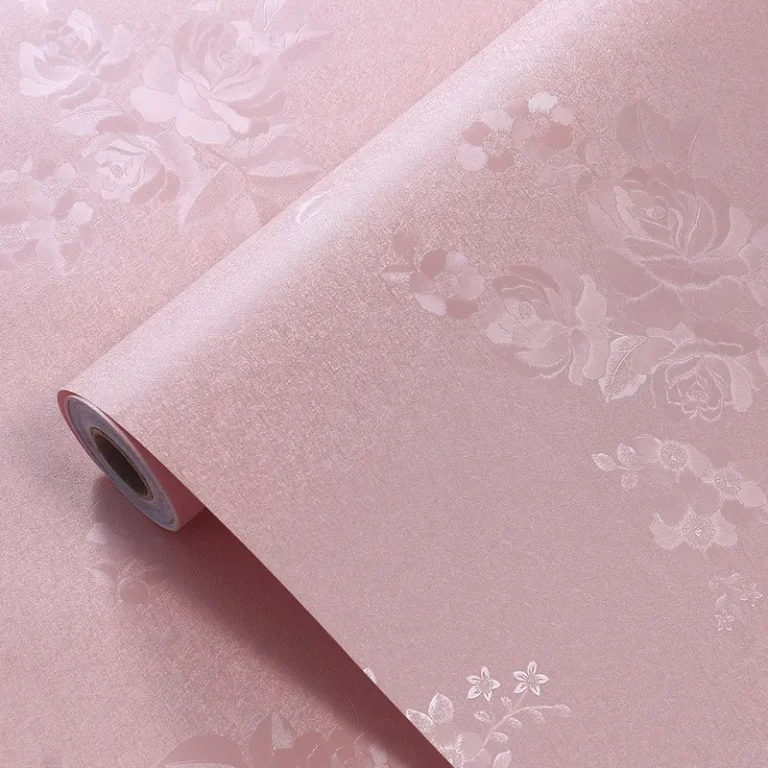
3D Silk Texture Film
to understand surface effect possibilities beyond pure transparency.
A good sample test is simple and realistic. Request two or three thickness options near your target and run them under normal speeds. Record issues and compare total cost impact—not only material price.
It can be, if the film is specified as food-grade and supported by the appropriate compliance documents and test reports for your market.
Many projects start testing within 0.10–0.20 mm, then adjust based on puncture risk, sealing performance, and appearance expectations.
Cloudiness is usually related to haze, surface micro-scratches, or condensation. Review optical specs and consider anti-fog or improved handling to reduce scuffing.
Yes. Transparent PVC films can be customized by surface treatment (anti-static, anti-fog, glossy/matte options) and by roll specifications.
Provide thickness, width, roll length, target application, surface requirements (standard/anti-static/anti-fog/food-grade), quantity, and any compliance needs to speed up pricing and sampling.